Saudi Pro League Midfield Changes: Al-Nassr, Al-Ahli, Al-Ittihad Shake Things Up
The new Saudi season opens with an unusual sight: Al-Nassr walking out without Marcelo Brozovic at the heart of their midfield. For the first time since 2023, the Croatian metronome is gone, taking with him years of control, rhythm and reliability between defence and attack.
In his place, a new project. And a very different feel.
Al-Nassr: Life After Brozovic
Samu Costa is the man handed the keys to the rebuild. Al-Nassr are not simply changing a name on the teamsheet; they are reshaping the entire structure around him.
The plan is clear enough. Costa is expected to slot into a new-look midfield alongside Abdullah Al-Khaibari and Angelo, a trio designed to share the workload that Brozovic once shouldered almost alone. The idea: more balance, more legs, more protection, without losing the ability to play out from the back.
But there is a question hanging over the club.
Can this group replicate the calm, the vision, the ability to knit defence and attack that Brozovic provided?
He was the pivot, the reference point. Every build-up seemed to find his boots at some stage. Now Al-Nassr must discover whether they can replace not just his position, but his personality on the ball.
Al-Ahli: From Kessié’s Engine to a New Blueprint
Al-Ahli have chosen a similar path of upheaval.
Franck Kessié, a cornerstone since 2023 and one of the side’s most influential figures, has departed. His exit tears out the core of a midfield that relied heavily on his power, pressing and late surges.
In comes Eduard Spertsyan, a very different profile, tasked with operating alongside Ivorian midfielder Valentin Atangana. The club are still pushing to add another name in that zone, a clear sign that this is not a simple one-for-one replacement.
Al-Ahli are not trying to clone Kessié. They are trying to redesign the entire engine room.
The new coaching staff want roles redistributed, spaces occupied differently, responsibilities shared rather than funnelled through one dominant presence. The aim stretches beyond domestic competition; the club wants a midfield built to cope with the demands at home and across the continent.
Next season, Al-Ahli’s middle third will look almost unrecognisable. That is exactly the point.
Al-Ittihad: Fabinho Out, an African Core In
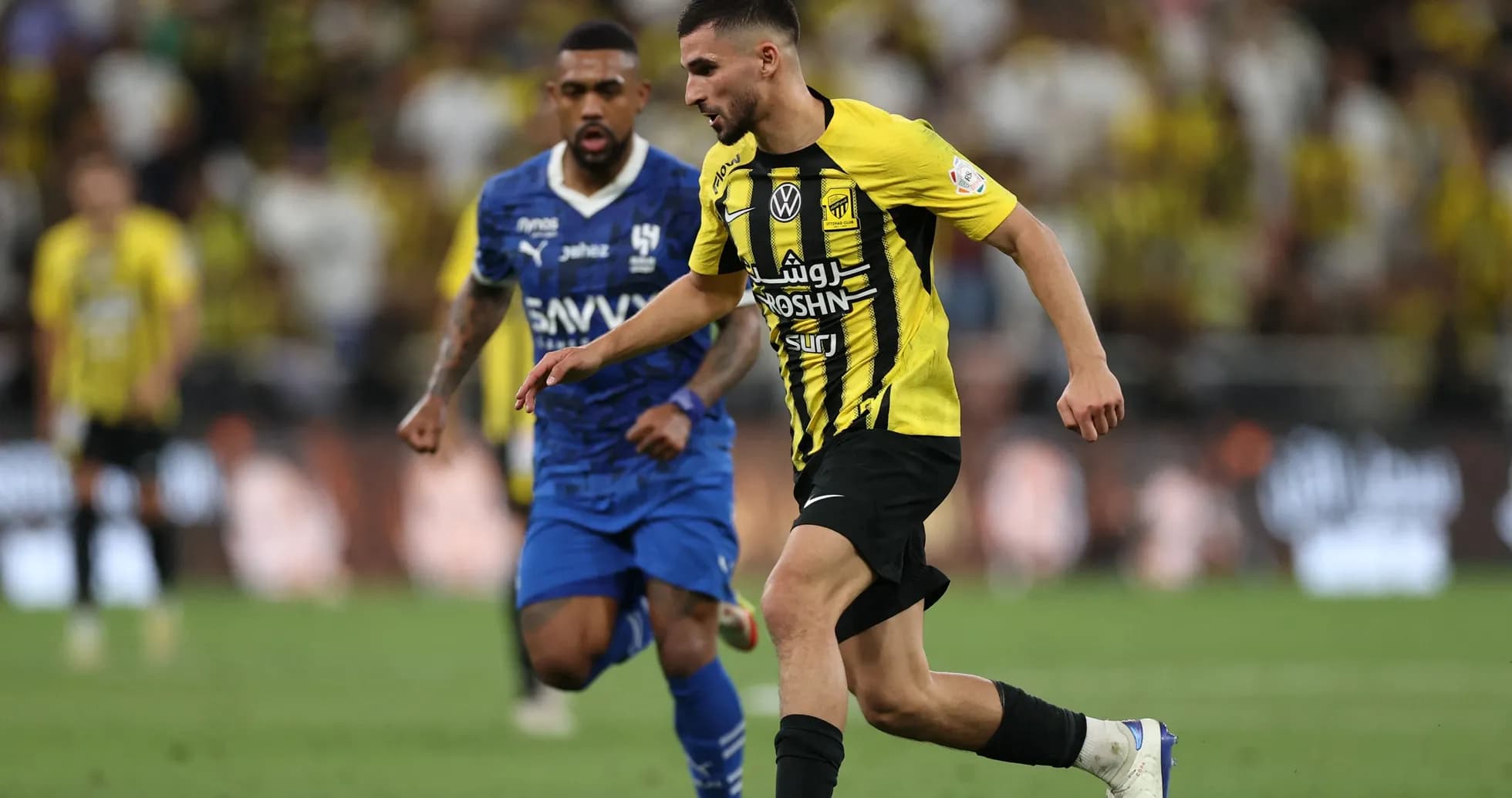
Then there is Al-Ittihad, who may have made the boldest move of all.
The club has drawn a line under the Fabinho era, ending the Brazilian’s stay that began in 2023 and turning to a very different type of anchor: Dion Lopy, signed from Spanish side Almeria.
Lopy’s arrival instantly changes the tone of Al-Ittihad’s midfield. With the Senegalese midfielder joining Malian Mohamed Doumbia and Algerian Houssem Aouar, the centre of the pitch now carries a distinctly African identity.
It is a blend that promises power and bite, but also technique. Doumbia offers ball-winning and intensity, Aouar brings guile and creativity, and Lopy slots in as the disruptive presence who can also carry the ball and set the tempo.
Fabinho’s departure closes a chapter built on his reading of the game and positional discipline. Lopy’s signing opens another, one that points to a more aggressive, dynamic tactical phase. Al-Ittihad are betting that this mix will finally give them the balance they have been chasing.
Al-Hilal: While Others Tear Down, the Champions Hold Their Nerve
Across the league, midfields are being ripped up and reimagined. One club, though, has chosen a different route.
Al-Hilal.
While their rivals scramble to stitch together new combinations, Al-Hilal have kept their core intact. Ruben Neves, Sergej Savic, Mohamed Kanno and Nasser Al-Dawsari remain in place, the same spine that has driven the side in recent seasons.
That continuity is no small advantage.
This is a group rich in experience, chemistry and shared minutes. They know each other’s movements, their habits, their flaws. They understand when to slow the game, when to accelerate, when to protect the back line and when to flood forward.
Al-Hilal will not need weeks of trial and error to find their best blend in midfield. They already have it.
While Al-Nassr, Al-Ahli and Al-Ittihad spend the opening rounds searching for cohesion, Al-Hilal can hit the ground running, leaning on a unit that has already been tested under pressure.
In a season where almost everyone else has surrendered stability to chase improvement, that might be Al-Hilal’s most dangerous weapon.