Rock-Hard Pitches Delay Anglian Combination Season Start
The Anglian Combination was supposed to be kicking off next weekend. Eighty-five amateur clubs across Norfolk and Suffolk, boots cleaned, kits ready, managers juggling late holidays and lingering knocks. Grassroots football’s familiar August hum.
Instead, the season has been stopped before a ball is kicked – by ground as hard as concrete.
After an urgent board meeting on Friday, the Anglian Combination League confirmed it will delay the start of the 2026/27 campaign until 29 August, with player safety taking precedence over the calendar. The decision was unanimous. It was also unavoidable.
Grassroots game meets extreme weather
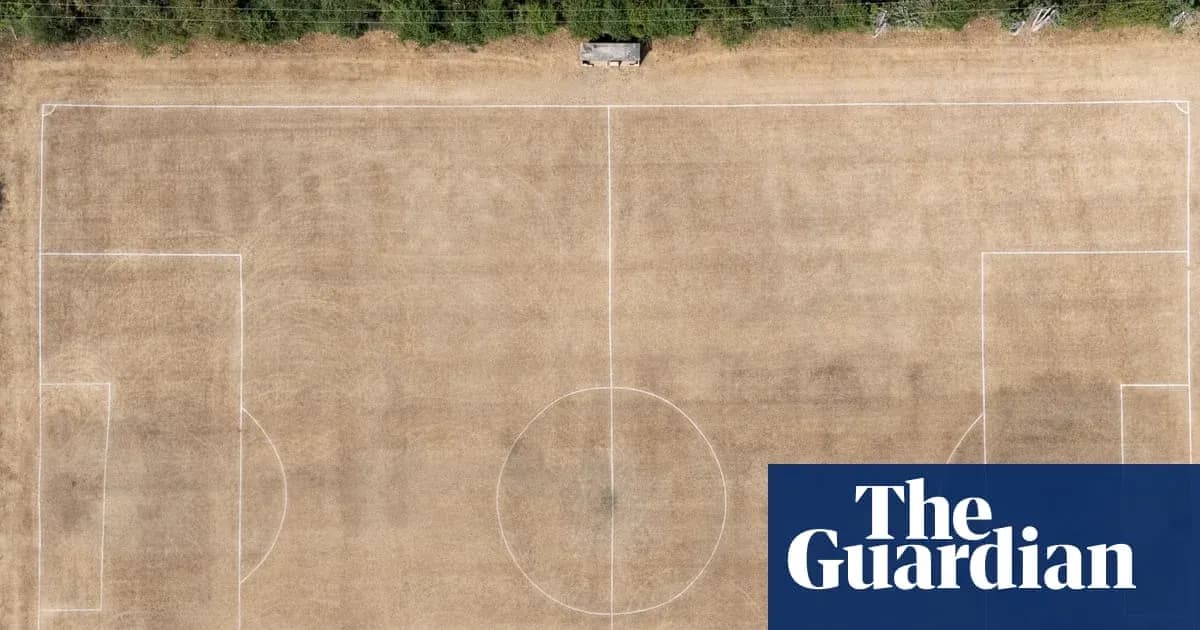
This has been no ordinary summer. A run of record-breaking heatwaves and miserly rainfall has left vast stretches of England and Wales scorched. In East Anglia, pitches that should be springy and forgiving have baked into unforgiving slabs.
“The rationale behind this decision is to protect the welfare of players, officials and all associated with the match day, in what has been the driest and hottest July since records began in 1836,” said league chair Dale Brown in a statement sent to clubs, players and officials.
“Most of our league clubs pitches are grass and the ground conditions are extremely dry and pitches rock hard.”
That phrase – “rock hard” – has become a grim refrain across the region. Pre-season friendlies have been scrapped en masse. Those that went ahead came at a cost, with the league acknowledging “many injuries” on surfaces that simply won’t give.
For amateur footballers, who head back to day jobs on Monday mornings, the risk is different to the professional game. A twisted knee or a bad fall on compacted earth can mean weeks off work, not just a spell on the treatment table.
Brown admitted the call would not be universally popular. “This was a very difficult decision to reach and one that will not please all clubs,” he said. Some sides will have planned their preparations around an early start; others will worry about fixture congestion later in the season. But the league has drawn a clear line: no football until conditions ease.
A parched backdrop
The football story is just one strand in a broader environmental crisis. Record temperatures hit in May and June. July then went one worse, going down as the driest since records began. A formal drought has already been declared across half of England.
Anglian Water, which covers Norfolk and Suffolk, has had a hosepipe ban in place since 11 July. The knock-on effect is written across the landscape. Aerial images show parks and community sports fields bleached brown, the lush green of early summer replaced by the brittle yellow of overuse and under-watering.
The contrast is stark. While most public pitches have been left to bake, golf clubs, some sports facilities and private schools have stayed notably greener, helped by exemptions from hosepipe bans that have sparked plenty of local debate.
The Met Office expects little relief. Another heatwave is forecast next week, with temperatures in parts of East Anglia and south-east England predicted to climb to 36C by Thursday. Humidity is likely to rise, but the one thing the pitches really need – sustained rain – remains stubbornly absent from the outlook.
Local league, national question
At national level, there is no central picture of how widespread the disruption has become. The FA does not hold figures on the number of leagues forced to push back their seasons because of the drought, leaving each competition and county FA to make its own call.
In Norfolk and Suffolk, that call has been made. The Anglian Combination will wait.
For now, managers will shuffle training plans, players will try to stay sharp on whatever safe surfaces they can find, and club volunteers will stare at cracked goalmouths, hoping the next cloud that drifts overhead finally decides to break.