Rhode Island Dominates Loudoun United in USL Championship Clash
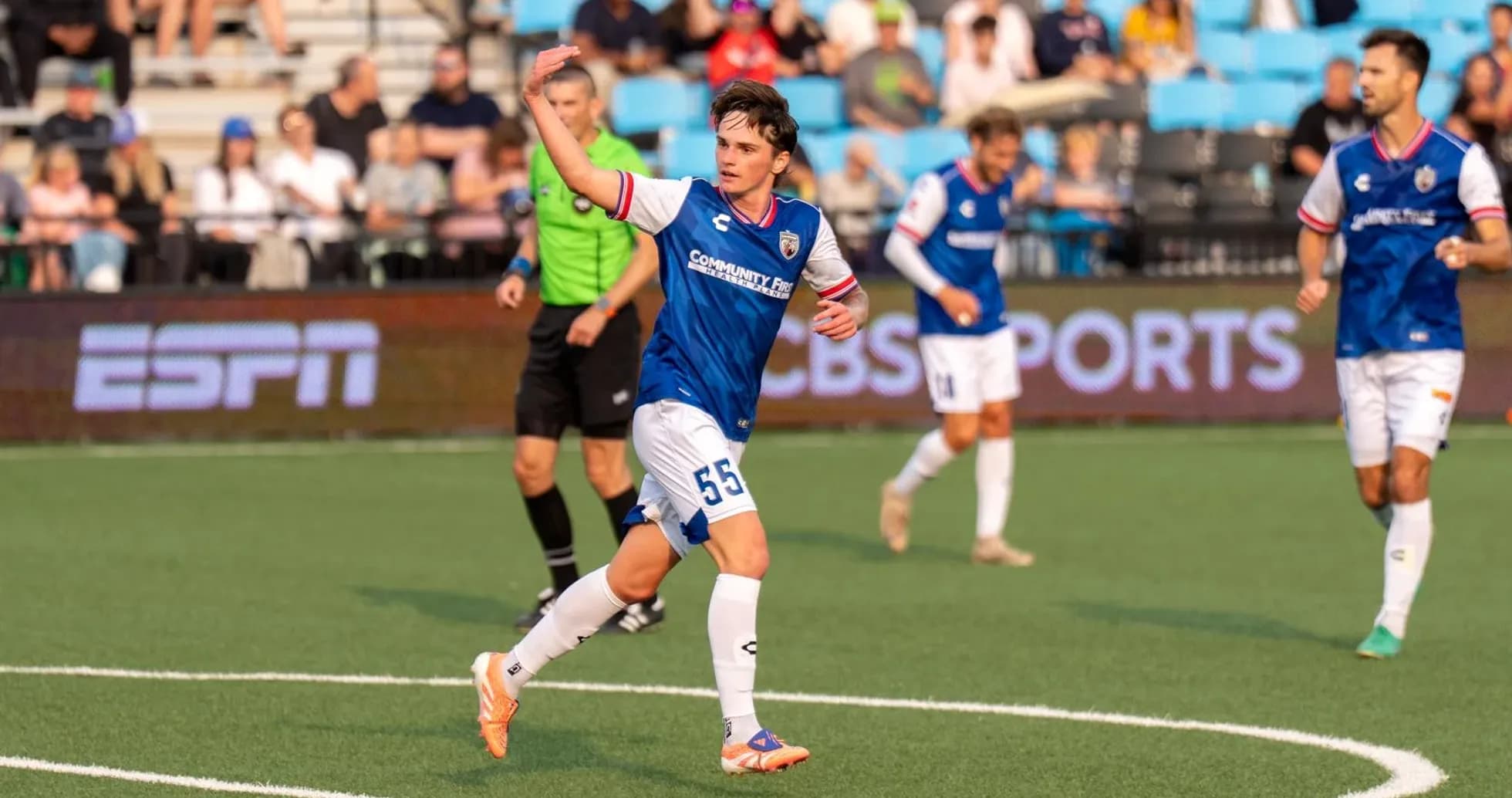
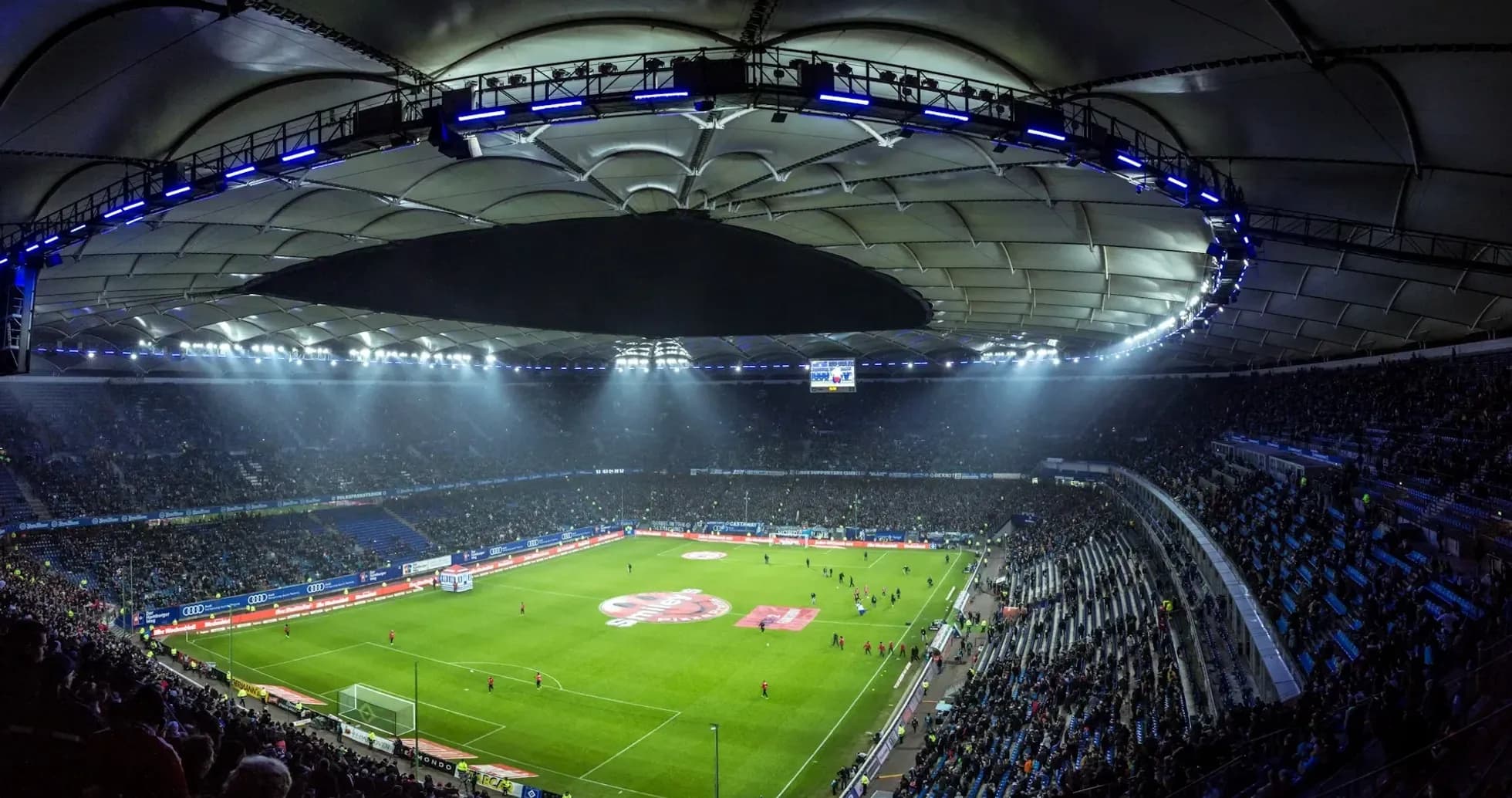
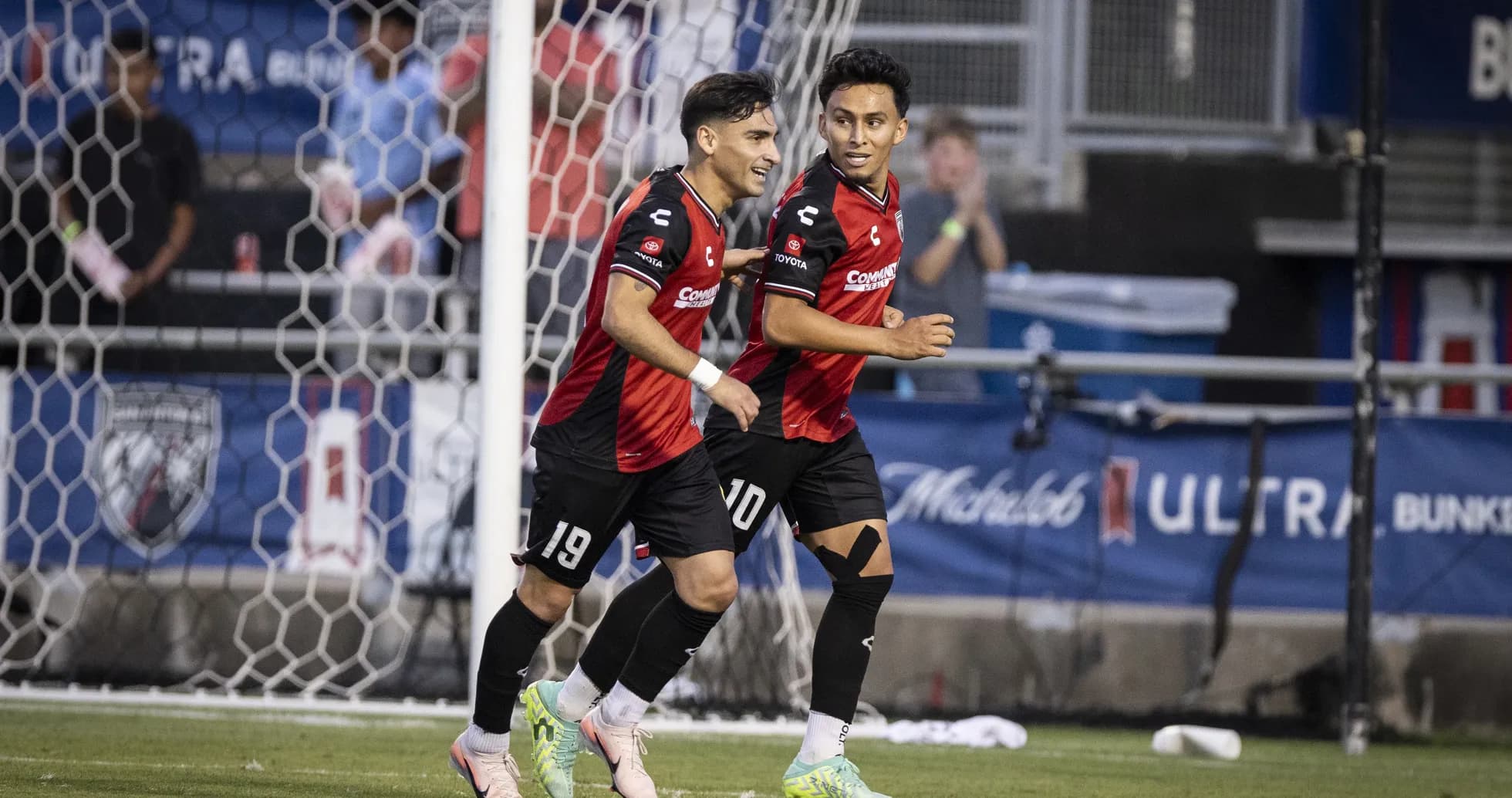
Under the Segra Field lights, this USL Championship group-stage meeting became a revealing snapshot of where these two projects stand. Loudoun United, 12th in USL 1 heading into this game with 9 points and a goal difference of -8 overall, were looking for a statement at home. Instead, Rhode Island, 9th with 15 points and a positive goal difference of 6 overall, imposed themselves with a ruthless 4-1 away win, turning a narrow half-time lead into a full-scale dismantling.
The narrative of the season framed the night before a ball was kicked. Loudoun had played 11 matches overall, winning just 1, drawing 6, and losing 4. At home they had yet to win, with 0 victories, 5 draws, and 2 defeats, scoring 10 and conceding 14 at Segra Field. Rhode Island arrived with a very different profile: 4 wins, 3 draws, and 4 losses overall from 11 games, and notably dangerous on their travels with 2 away wins, no away draws, and 3 away defeats, backed by 10 away goals and 9 conceded.
I. The Big Picture – Rhode Island’s away DNA asserts itself
The final 1-4 scoreline echoed the season’s structural truths. Loudoun’s defensive fragility at home, where they had been conceding an average of 2.0 goals per game, was again exposed. Rhode Island’s attack, averaging 2.0 goals per game on their travels heading into this game, doubled that benchmark on the night.
The first act saw Rhode Island lean into their away identity: front-foot, vertical, and unafraid to commit numbers around the box. With Koke Vegas behind a back line anchored by G. Stoneman and F. Nodarse, they could hold a relatively high line, compressing the pitch and forcing Loudoun’s build-up into rushed, imprecise phases.
Loudoun’s response was more cautious, reflecting a side that has drawn 5 of 7 at home and often plays not to lose rather than to seize control. Their overall scoring average of 1.4 at home hinted at some attacking potential, but the structural imbalance—conceding 2.0 at home overall—meant every turnover carried danger.
II. Tactical Voids – Discipline, fatigue, and the late-game cliff
With no explicit injury list provided, the absences were tactical rather than personnel-based. Anthony Limbrick’s choice of starters—E. Bandre in goal, protected by a back unit featuring J. Erlandson, A. Essengue, S. Mazzaferro, and C. Torres—suggested a blend of youth and physicality. In midfield, the trio of J. Murphy, B. Akinyode, and K. Awuah was tasked with both screening and progression, while J. Panayotou supported the front pairing of T. Ulfarsson and A. Aboukoura.
Yet Loudoun’s season-long disciplinary pattern hinted at a deeper issue. Overall, 36.36% of their yellow cards have come between 76-90 minutes, with another 24.24% between 46-60. This late-game surge in bookings speaks to a side that tires, chases, and fouls when the game stretches. Against a Rhode Island team that thrives in transition, that is a structural void.
Rhode Island, by contrast, also spike late in yellow cards—32.00% of their yellows between 76-90 minutes overall—but crucially, their red-card profile is concentrated too: 100.00% of their reds arrive in that same 76-90 window. On this night, though, discipline held sufficiently for them to keep 11 on the pitch and sustain their aggressive posture without tipping into self-destruction.
III. Key Matchups – Hunter vs Shield, Engine Room vs Press
Without official top-scorer data, the “Hunter vs Shield” duel becomes more conceptual: Rhode Island’s collective attacking unit against Loudoun’s vulnerable defensive structure.
Rhode Island’s front line—J. Williams as the reference point, supported by the movement and creativity of J. Kwizera and A. Shapiro-Thompson, with A. Rodriguez pulling strings between the lines—went up against a Loudoun defense that had already conceded 21 overall heading into this match. On their travels, Rhode Island had scored 10 overall, while Loudoun at home had allowed 14 overall; the intersection was clear: a confident, multi-angled attack against a back line that leaks chances, especially when forced to defend in space.
In midfield, the “Engine Room” battle pitted Loudoun’s double pivot of Akinyode and Awuah plus Murphy against Rhode Island’s central trio of C. Holstad, H. Bacharach Capdevila, and the roaming Rodriguez. Akinyode’s role as the stabilizer was crucial—shielding the center-backs, winning second balls, and trying to slow Rhode Island’s vertical surges. But Rhode Island’s midfield had a more balanced season profile: they support an attack averaging 1.9 goals overall while protecting a defense conceding just 1.4 overall. That blend of control and punch told here, as they repeatedly broke Loudoun’s first line of pressure and found pockets between the lines.
When the benches came into play, Khano Smith had tools to either lock the game down or twist the knife. Players like Leo Afonso, Z. Herivaux, D. Atkinson, and N. Fuson offered fresh legs and different profiles: runners in behind, ball-carriers, and press triggers. Loudoun’s options—L. Herrera-Rauda, R. Aman, N. Adnan, A. Souper, A. Ordonez, L. Piras, and L. Barrus—gave Limbrick variety, but the substitutions were more about damage limitation and chasing the game than about controlled evolution of a winning plan.
IV. Statistical Prognosis – xG logic and defensive solidity
Even without explicit xG numbers, the season data sketches the expected contours. Heading into this game, Rhode Island’s overall goal difference of 6 (21 scored, 15 conceded) reflected a side whose underlying chance creation and conversion are consistently positive. Loudoun’s overall goal difference of -8 (13 scored, 21 conceded) pointed to a team that not only concedes more than it scores but does so with a worrying regularity.
Projecting from those patterns, a Rhode Island win with a multi-goal margin always sat within the plausible xG range: an away attack averaging 2.0 goals per game on their travels facing a home defense conceding 2.0 per game at Segra Field. The 1-4 outcome simply exaggerated that underlying edge.
Following this result, the tactical verdict is stark. Rhode Island’s model—aggressive, vertical, and underpinned by a reasonably solid defensive platform—travels well. Loudoun’s, built on narrow margins, late-game fouls, and a fragile back line, does not. For Loudoun, the path forward demands structural defensive improvement and a more proactive home identity. For Rhode Island, this is the blueprint: compress the field, trust the front four, and let their away attacking averages continue to dictate the story.