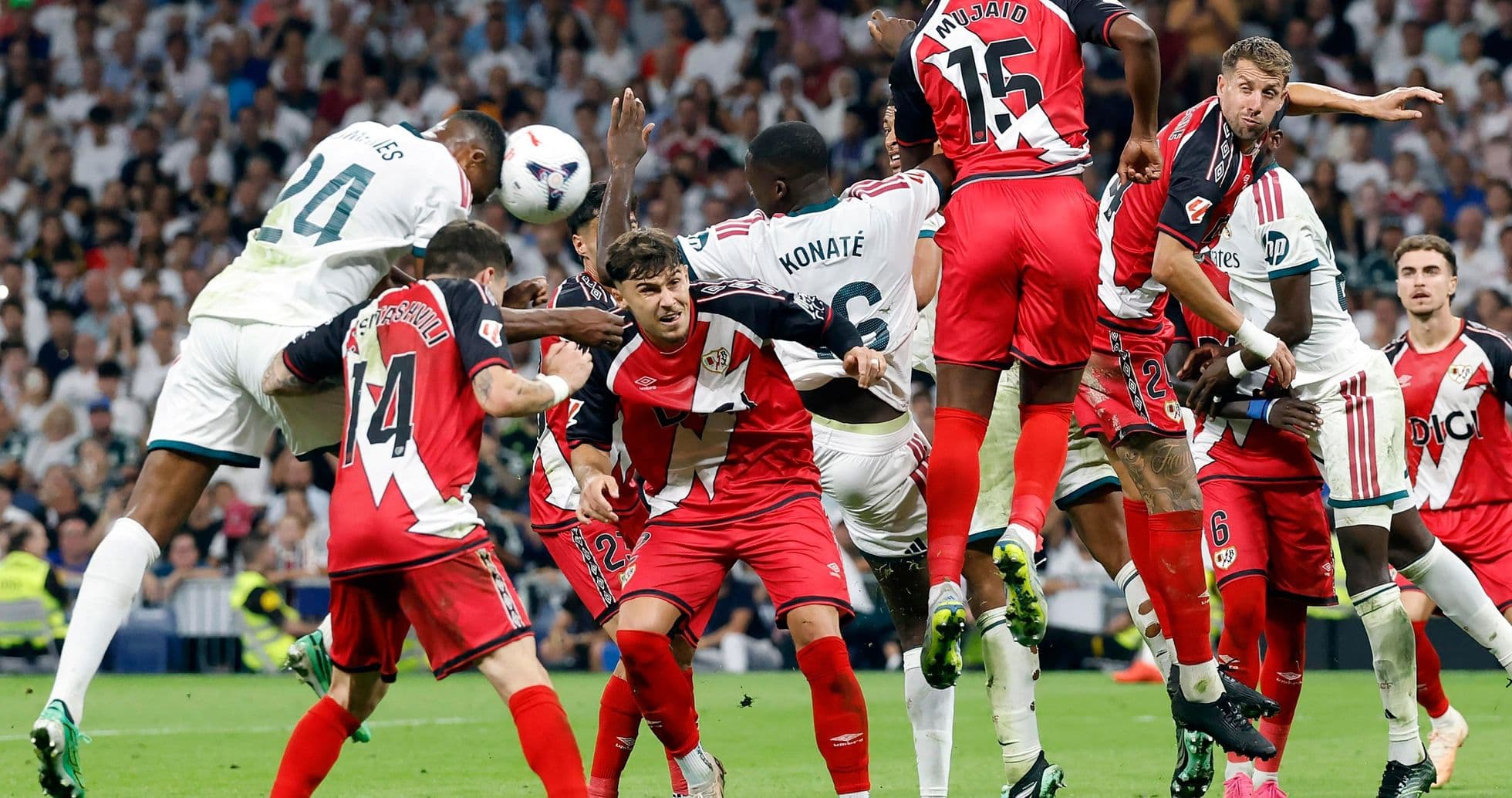
Real Madrid vs Rayo Vallecano: A Tale of Two Clubs
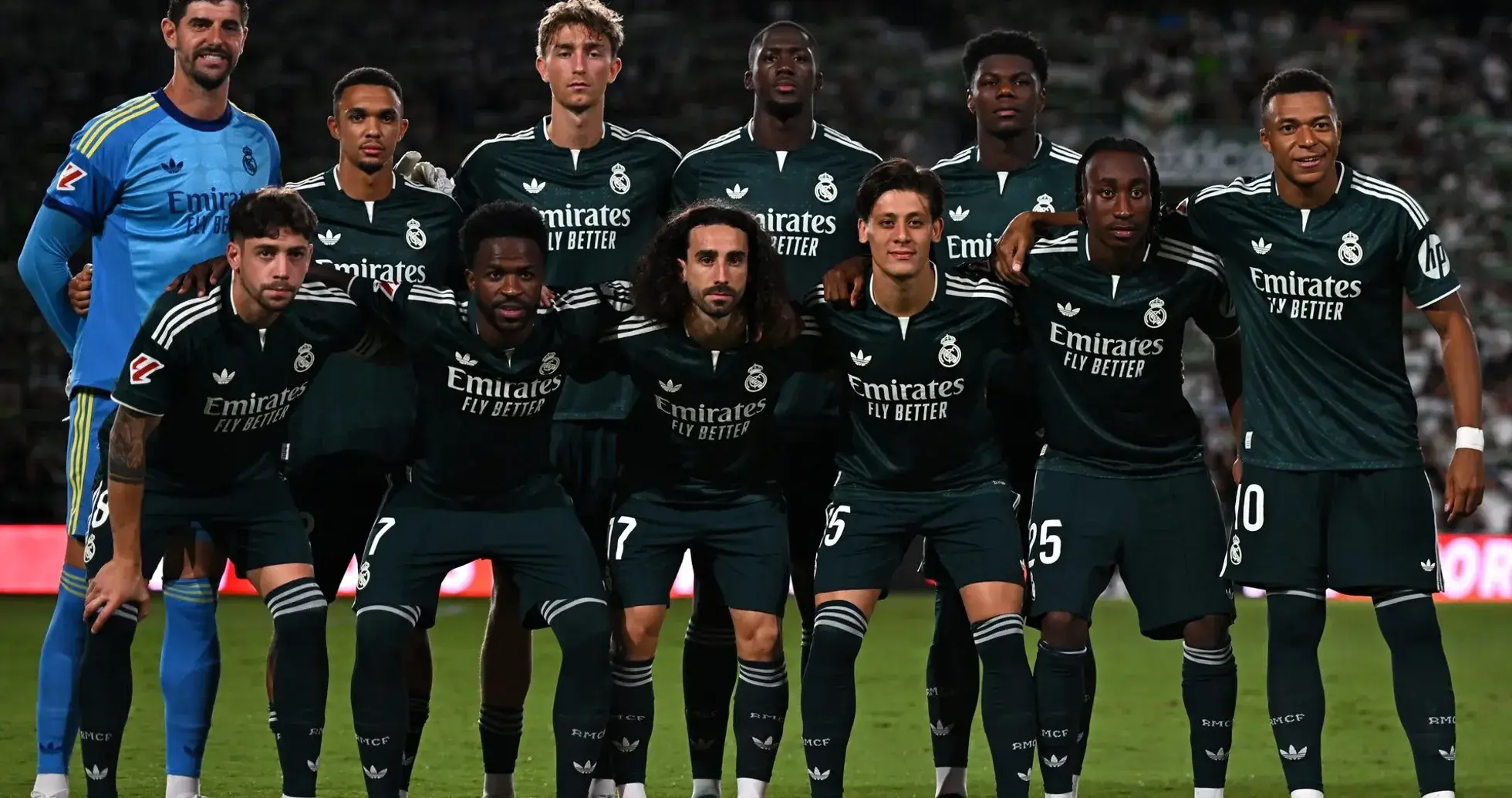
Under the lights of the Bernabéu, this was billed as a test of trajectories as much as talent: Real Madrid, already shaping a title charge, against a Rayo Vallecano side clinging to survival instincts. By full time, a 4–1 scoreline had confirmed what the numbers had hinted heading into this game: these are two clubs moving through the same league on very different planes.
I. The Big Picture – Structures and Seasonal DNA
Real Madrid arrived in Round 5 of La Liga sitting 2nd with 12 points from 5 matches, their overall goal difference a commanding +10, built on 14 goals for and 4 against. At home, they had been devastating: 3 wins from 3, 12 goals scored and only 2 conceded, an attacking average at home of 4.0 goals per match against just 0.7 conceded. The 4-2-3-1 José Mourinho has leaned on in all 5 league fixtures has become a fixed identity: high talent density between the lines, a single spearhead, and relentless pressure from the half-spaces.
Rayo Vallecano, by contrast, came to Madrid in 16th place with 4 points from 5 games and an overall goal difference of -6, with 8 goals scored and 14 conceded. On their travels they had been porous and punished: 3 away matches, 3 defeats, 4 goals scored but 11 conceded, for an away defensive average of 3.7 goals against per game. Beñat San José’s side has alternated between a 4-2-3-1, 4-1-4-1 and 4-3-3 this season, but here he matched Madrid’s shape, hoping structure and discipline could narrow a talent gap that the table has already exposed.
II. Tactical Voids – Absences and Their Echoes
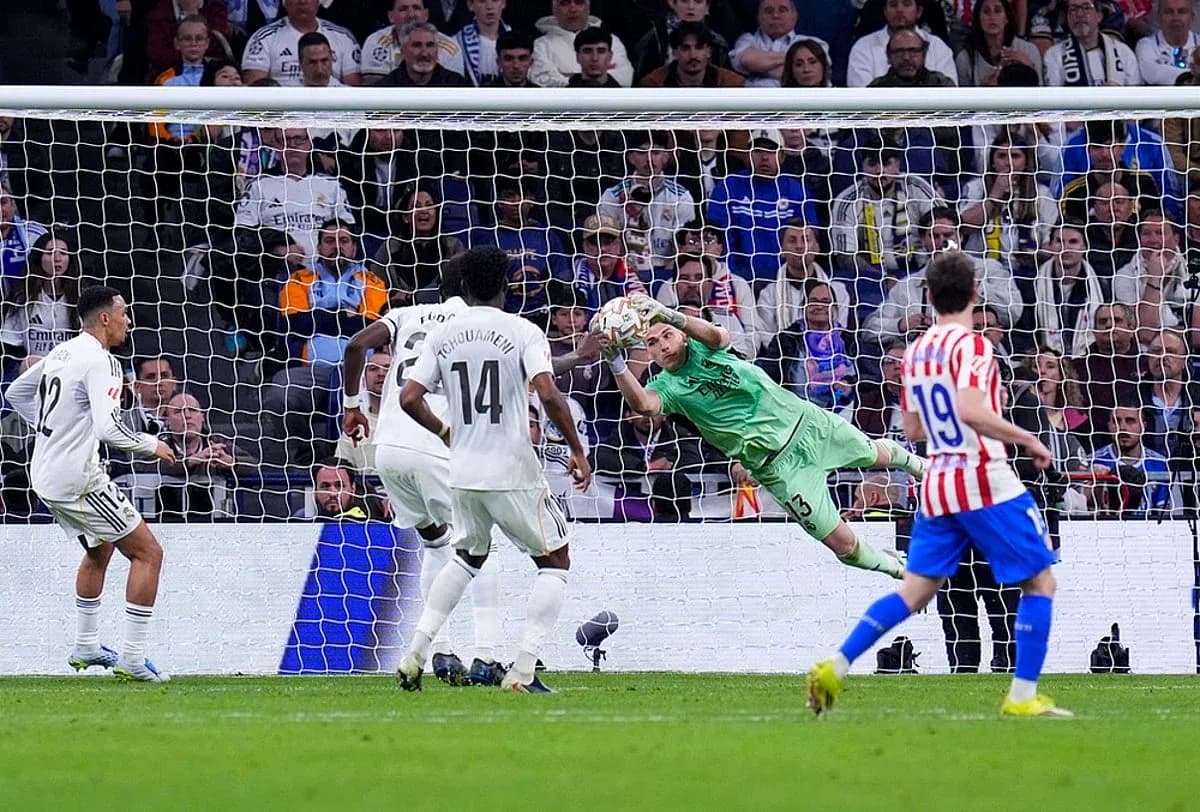
Both squads were notably incomplete. Real Madrid were again without Eder Militao (hamstring), Ferland Mendy (hip) and Rodrygo (knee). The consequence was a back four of D. Dumfries, I. Konaté, A. Rüdiger and Álvaro Fernández in front of T. Courtois, with no natural left-back alternative beyond Fernández and no Militao to rotate into the central pairing. That pushed Mourinho further toward a proactive defensive line, trusting Konaté and Rüdiger’s physical dominance and Courtois’ command of the box rather than conservative depth.
For Rayo, the voids were more structural and more severe. A. Batalla (broken calfbone), Luiz Felipe (hamstring), R. Nteka (muscle injury), I. Palazon (muscle injury) and J. Vertrouwd (muscle injury) stripped away depth and variety, but the real damage came from suspensions: Fran Pérez and Jorge de Frutos both out with red-card bans. That removed two high-intensity wide options and a significant pressing presence, forcing San José to start G. Tsitaishvili and Álvaro García as the wide midfielders behind Sergio Camello, with Unai López and Pedro Díaz tasked with both build-up and containment.
Disciplinary trends only sharpened the risk for Rayo. Heading into this game, 40.00% of their yellow cards came between minutes 61–75 and 30.00% between 76–90, while 50.00% of their red cards had arrived in the 76–90 window. Against a Real Madrid side that keeps tempo high and pressure constant, that late-game volatility was always likely to be a fault line.
On Madrid’s side, the card map was more controlled but telling: 25.00% of their yellow cards had come in each of the 46–60, 61–75 and 91–105 ranges, pointing to a side that pushes intensity around restarts and late in halves, but without the same collapse into chaos Rayo have shown.
III. Key Matchups – Hunter vs Shield, Engine Room vs Enforcer
The headline duel was always going to be the “Hunter vs Shield” confrontation: Kylian Mbappé against a Rayo defence that had already conceded 11 goals on their travels. Mbappé entered this fixture with 6 league goals and 1 assist from 5 appearances, plus 1 penalty scored and 1 missed – a reminder that his penalty record this season is not flawless and that Real Madrid’s overall penalty profile (2 awarded, 1 scored, 1 missed) is far from automatic. His volume tells the rest of the story: 29 shots, 21 on target, 31 dribbles attempted with 20 successful, and 8 key passes from 177 total passes at 88% accuracy.
Rayo’s “shield” was a back line of A. Rațiu, F. Lejeune, P. Ciss and Adrià Pedrosa in front of E. Audero. But the real protective layer was supposed to be the double pivot of G. Bouare and Unai López. López, one of La Liga’s top assist providers with 3 so far, is more creator than destroyer: 226 passes at 83% accuracy, 12 key passes, 11 tackles and 4 blocks. His presence in the pivot adds progression, but against Mbappé, Vinícius Júnior and J. Bellingham, it also risked leaving the back four exposed when transitions broke his line.
In Madrid’s “engine room”, the weight of control fell to F. Valverde and Bernardo Silva as the double pivot, with Bellingham as the advanced conductor. Bellingham’s season numbers – 3 goals, 2 assists, 205 passes at 91% accuracy, 12 key passes, plus 8 tackles, 3 blocks and 2 interceptions – paint a portrait of a complete midfielder who can both set the tempo and collapse passing lanes. His duel with López and Pedro Díaz was the central narrative: if Bellingham received between the lines, Rayo’s structure would bend; if they could deny him, they might funnel Madrid wide and survive longer.
Up front for Rayo, Sergio Camello brought the form of a league-leading scorer: 6 goals and 1 assist in 5 appearances, 11 shots with 10 on target, 50 duels with 19 won, and 11 fouls drawn. He is both finisher and irritant, and his 2 yellow cards underline how combative he becomes in contact zones. His battle with Konaté and Rüdiger was as much psychological as physical: could he pin them, win free-kicks, and give Rayo’s block time to breathe?
IV. Statistical Prognosis – Where the Game Was Always Headed
Heading into this game, the numbers pointed in one direction. Real Madrid’s overall scoring average of 2.8 goals per match, combined with 4.0 at home, met a Rayo side conceding 2.8 goals per match overall and 3.7 on their travels. Madrid’s overall defensive average of 0.8 goals against per match, against a Rayo attack averaging 1.6 overall and 1.3 away, suggested that even if Camello found moments, Rayo would need near-perfect finishing to keep pace.
The disciplinary and tactical patterns intersected cruelly for the visitors. Madrid’s preferred 4-2-3-1, used in all 5 league fixtures, is finely tuned; Rayo, by contrast, had split their 5 games across three different systems, with 4-2-3-1 used 3 times. That relative instability, combined with late-card tendencies and the absence of key suspended attackers, meant that once Madrid seized control, Rayo were unlikely to wrest it back.
The 4–1 final scoreline simply confirmed the statistical prognosis. Real Madrid’s attacking core – Mbappé’s vertical threat, Vinícius’ 3-assist season form, Bellingham’s dual role as scorer and creator – was too varied for a defence already leaking goals away from home. Rayo’s hopes rested on Camello’s finishing and López’s passing, but against a side conceding only 4 goals in 5 matches overall, that was always a narrow path.
Following this result, the story of the squads is clear. Madrid look like a complete, data-backed contender: dominant at home, structurally stable, and led by stars whose individual metrics match their reputations. Rayo, brave but brittle, remain a side whose attacking sparks cannot yet compensate for systemic defensive frailty, especially on their travels.