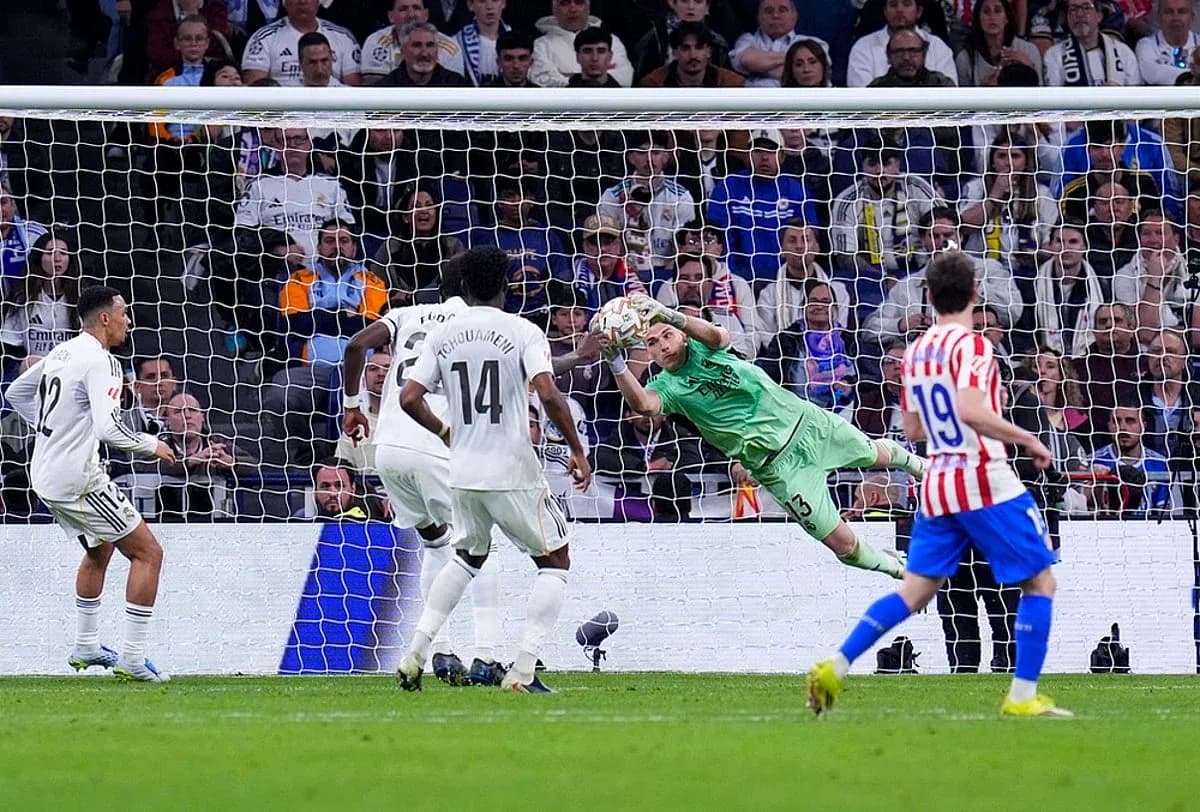
Elche vs Real Madrid: Tactical Analysis of La Liga Clash
Under the lights of Estadio Manuel Martínez Valero, this was the archetypal clash of extremes in La Liga’s “Regular Season - 6”: bottom‑placed Elche, stuck in a relegation battle, against a Real Madrid machine already moving like a title contender. Heading into this game, Elche were 20th with 2 points from 6 matches, their overall goal difference a bruising -8 (8 scored, 16 conceded). Real Madrid arrived in Elche sitting 2nd with 15 points from 6, boasting an overall goal difference of +11 (17 for, 6 against).
Final Score: Elche 2–3 Real Madrid
The final scoreline – Elche 2–3 Real Madrid, after trailing 0–2 at half-time – told of a late surge from the hosts, but the deeper story was about how two very different squads tried to bend the game to their seasonal identities.
I. The Big Picture – Structures and Seasonal DNA
Elche set up in a 4‑5‑1 under Martin Anselmi, a departure from their more conservative back‑five blueprint that had been used most often this season. Their season statistics underline why this was a gamble: at home they had played 3, lost 3, scoring 4 and conceding 11. That is an average of 1.3 goals scored at home, but a punishing 3.7 conceded. Overall, they had not yet won a league game (0 wins from 6), and had never kept a clean sheet.
The shape on the night was clearly designed to thicken the midfield and protect a fragile back line. M. Dituro anchored them in goal, shielded by a back four of Buba Sangare, F. Redondo Solari, V. Chust and R. Revivo. Ahead, a five‑man band – G. Valera, M. Neto, M. Aguado, G. Villar and Tete Morente – tried to compress space and feed lone forward A. Osorio.
Real Madrid, by contrast, arrived with their identity already crystallised. Jose Mourinho’s side had used 4‑2‑3‑1 in all 6 league games, and did so again here. Their numbers are stark: overall they average 2.8 goals scored and 1.0 conceded per match. At home they have been devastating, scoring 12 and conceding 2 in 3 games, but even on their travels they had 5 goals in 3 outings, conceding 4.
On the pitch, T. Courtois stood behind a back four of T. Alexander‑Arnold, I. Konaté, D. Huijsen and M. Cucurella. F. Valverde and A. Tchouameni formed the double pivot, with a high‑class trio of Y. Diomande, A. Guler and Vinicius Junior supporting K. Mbappe, La Liga’s early scoring phenomenon with 7 goals and 2 assists in 6 appearances.
II. Tactical Voids – Absences and Discipline
Both sides had to navigate significant absences. Elche were without Y. Santiago, missing through a knee injury, thinning Anselmi’s defensive and rotation options in a squad already stretched by a winless start.
Real Madrid’s absences were more high‑profile but better absorbed by their depth. Eder Militao (hamstring), F. Mendy (hip) and Rodrygo (knee) all missed the fixture. Without Militao and Mendy, Mourinho leaned on Konaté’s physical dominance and Huijsen’s composure to hold the central lane, with Cucurella’s intensity covering the left flank. The absence of Rodrygo removed one of Madrid’s most direct runners, but the presence of Vinicius Junior, Mbappe and Guler meant the front line still dripped with incision.
Disciplinary trends framed the risk profile. Elche’s season card data reveals a worrying pattern: 26.67% of their yellow cards come between 61‑75 minutes, and another 26.67% between 91‑105 minutes – a sign of fatigue and late, desperate defending. Real Madrid, meanwhile, see 30.00% of their yellows between 61‑75 minutes and 20.00% between 0‑15, reflecting an aggressive start and a high‑octane mid‑game press. Konaté himself already carries 3 yellows in 5 appearances, a reminder that his front‑foot defending can easily spill into bookings.
III. Key Matchups – Hunter vs Shield, Engine Room Battles
The headline duel was always going to be Kylian Mbappe against an Elche defence that, at home, had already shipped 11 goals in 3 matches. Mbappe’s La Liga profile is terrifying: 7 goals from 31 shots, 22 of them on target, plus 2 assists, and he has already won and taken penalties – scoring one and missing one. The missed spot‑kick is important context: he is lethal but not flawless, and Elche’s best hope was to deny him clear entries into the box rather than gamble on last‑ditch interventions.
Elche’s “shield” was collective more than individual. V. Chust and F. Redondo Solari had to compress the central corridor, while Sangare and Revivo tried to funnel Madrid’s wingers wide. The risk was obvious: any isolation of a full‑back against Vinicius or Mbappe would tilt the duel heavily in Madrid’s favour.
In midfield, the engine‑room battle was layered. For Elche, M. Neto and M. Aguado had to balance screening duties with the need to connect to A. Osorio. G. Villar, with his ability to circulate possession, was tasked with calming Elche’s build‑up under pressure.
For Madrid, F. Valverde and A. Tchouameni formed a physically dominant double pivot. Tchouameni’s role was to lock down central spaces and track Osorio’s drops, while Valverde’s box‑to‑box energy allowed him to break lines and support transitions. Ahead of them, A. Guler – already with 2 assists and 1 goal this season, plus 27 key passes – was the creative hinge between lines, drifting into half‑spaces to combine with Mbappe and Vinicius.
Vinicius Junior, La Liga’s leading assister with 3, added another dimension. He has drawn 22 fouls in 6 games, repeatedly pinning full‑backs and forcing defensive lines to tilt his way. That, in turn, opens the weak‑side channels for Mbappe and late arrivals like Guler or, from the bench, J. Bellingham, who has 3 goals and 2 assists in 6 appearances and a reputation for timing his box entries.
IV. Statistical Prognosis – Where the Game Tilted
Heading into this game, every underlying number pointed to Madrid’s attack overwhelming Elche’s defence. Elche’s overall average of 2.7 goals conceded per match, combined with Madrid’s 2.8 scored, set the stage for a high‑scoring away performance. Elche’s inability to keep a single clean sheet, plus their tendency to collect yellow cards late (26.67% between 91‑105 minutes), suggested that if they were still chasing the game in the closing stages, their structure would fray.
Madrid’s own defensive record on their travels – 4 conceded in 3 away games, an average of 1.3 – hinted that Elche could find moments, especially through substitutes like F. Nino or L. Cepeda, who already has 2 assists from the bench this season. That is broadly what unfolded: Madrid’s first‑half superiority, fuelled by their front four, built a 2‑goal cushion, before Elche’s late‑game spirit and attacking changes clawed the score back to 2–3.
From a tactical and statistical standpoint, this fixture showcased the gap between a side still searching for defensive stability and an elite attack already functioning at near‑title pace. Elche’s 4‑5‑1 gave them enough bodies to compete in phases, but their season‑long defensive fragility and Madrid’s relentless quality in the final third meant the outcome always leaned towards the visitors, even if the final margin – just a single goal – offered Anselmi a sliver of encouragement amid a grim early‑season picture.