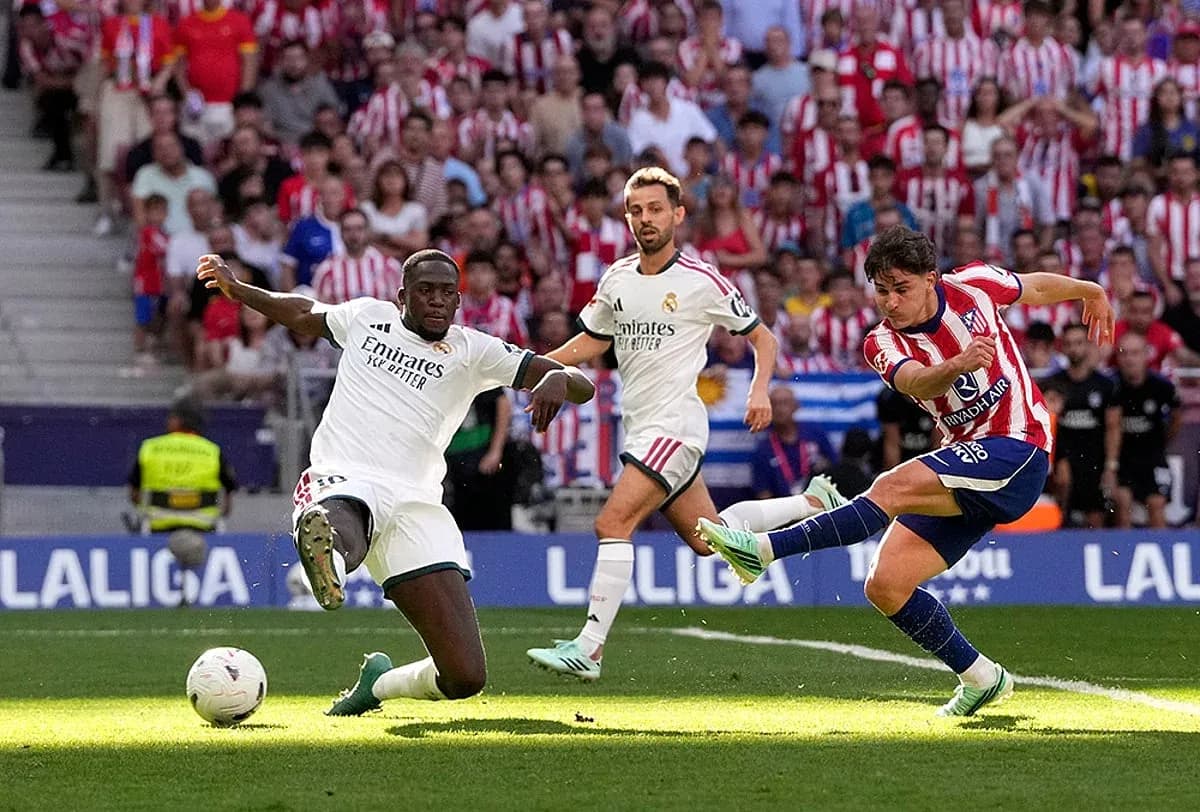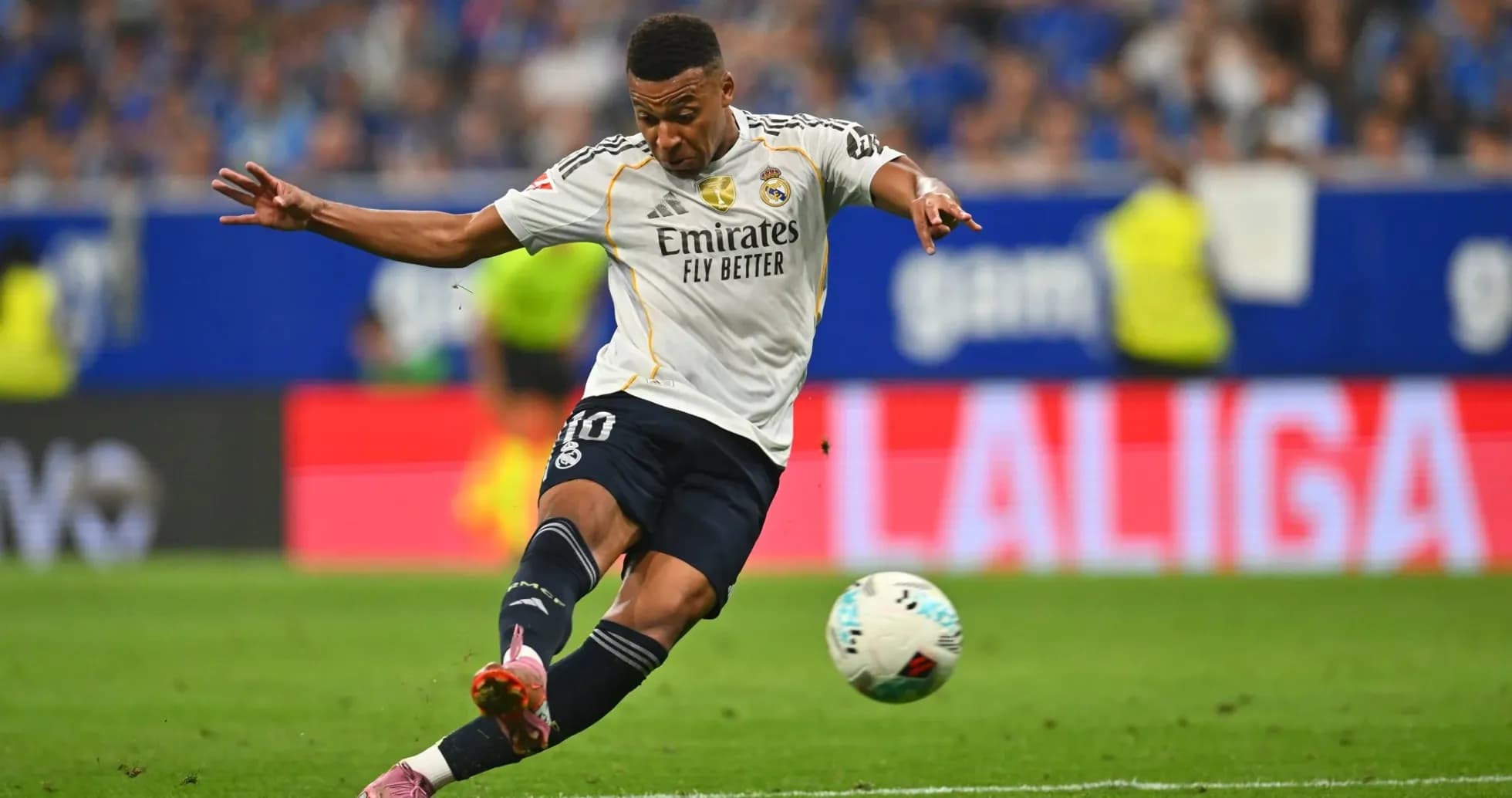
Real Madrid vs Oviedo: La Liga Clash at Santiago Bernabéu
Estadio Santiago Bernabéu hosts a classic top-versus-bottom clash on 14 May 2026, as second‑placed Real Madrid welcome rock‑bottom Oviedo in La Liga’s Round 36. With Madrid chasing maximum points in the title and Champions League positioning picture and Oviedo fighting a losing battle against relegation, the stakes are clear even if their objectives are very different.
Context and stakes
In the league, Real Madrid sit 2nd on 77 points after 35 matches, with a formidable +37 goal difference (70 scored, 33 conceded). Their home record is elite: 14 wins, 1 draw, 2 defeats from 17, with 39 goals for and only 14 against.
Oviedo arrive in Madrid 20th, on 29 points from 35 games, with the worst goal difference in the division at -28 (26 scored, 54 conceded). Their away form is particularly fragile: just 2 wins, 4 draws and 11 defeats in 17 away fixtures, conceding 37 goals.
For Real Madrid, this is about maintaining pressure at the top and protecting an almost impregnable home record. For Oviedo, any point at the Bernabéu would be a lifeline in a season where survival already looks remote.
Recent form and statistical profile
Across all phases, Real Madrid’s form string is eye‑catching: “WWWWWWLWWWWDDDWLWWWWWWWWLLWWWLDWDWL”. The headline numbers back it up:
- Fixtures across all phases: 35 played, 24 wins, 5 draws, 6 losses.
- Goals for: 70 (2.0 per game), split 2.3 per home game and 1.7 away.
- Goals against: 33 (0.9 per game), just 0.8 per home game.
- Clean sheets: 12.
- Failed to score: only 4 times all season.
- Biggest home win: 5-1; biggest home defeat: 0-2.
They also have a perfect team penalty record in the league (12 scored from 12), underlining their ability to convert pressure into goals.
Oviedo’s numbers tell a very different story:
- 35 matches, 6 wins, 11 draws, 18 losses.
- Goals for: 26 (0.7 per game), only 0.5 per game at home and 1.0 away.
- Goals against: 54 (1.5 per game), with a heavy 2.2 conceded per away match.
- Clean sheets: a respectable 10 overall, but just 1 away.
- Failed to score: 18 times (more than half their fixtures).
- Biggest away win: 0-3; biggest away defeat: 4-0.
Their overall form line “LLWLLLWLLDDLDLDLDDDLLWLDLLDWLWWDLLD” shows brief upticks punctuated by long spells of losses and draws, especially away from home where they have struggled to compete.
Head‑to‑head snapshot
The recent competitive history between the sides in La Liga is limited in the provided data but emphatic. The most recent meeting came on 24 August 2025 at Estadio Nuevo Carlos Tartiere, where Oviedo lost 0-3 at home to Real Madrid in the league. That fixture finished 0-1 at half-time and 0-3 full-time, with Real Madrid taking all three points away.
From the available head‑to‑head sample (1 competitive match listed), Real Madrid have 1 win, Oviedo 0, with 0 draws.
Tactical outlook: Real Madrid
Real Madrid have been tactically flexible this season. Their most-used shape is 4‑4‑2 (16 matches), followed by 4‑2‑3‑1 (9) and 4‑3‑3 (6). This versatility gives them several ways to attack Oviedo’s fragile away defence.
Key attacking weapons:
- Kylian Mbappé is the league’s standout forward in this data set. For Real Madrid in La Liga 2025, he has:
- 24 goals and 4 assists in 28 appearances (27 starts).
- 100 shots, 61 on target.
- 63 key passes and 917 total passes at 86% accuracy.
- 140 dribbles attempted, 76 successful.
- A strong rating of 7.6.
- From the spot, he has scored 8 penalties but missed 1, so he is prolific rather than flawless.
- Vinícius Júnior adds a different but complementary threat:
- 15 goals and 5 assists in 34 appearances (30 starts).
- 72 shots, 45 on target.
- 66 key passes, 1,070 total passes at 83% accuracy.
- 189 dribbles attempted with 86 successes.
- 80 fouls drawn, highlighting how often he forces defenders into mistakes.
- He has scored 4 penalties and missed 1.
Between them, Mbappé and Vinícius account for 39 league goals and 9 assists, a devastating return that Oviedo’s back line will struggle to contain.
Defensively, Madrid’s numbers are solid. Conceding just 14 at home, with 5 home clean sheets, suggests a side that controls territory and limits chances. Their most frequent formations imply either double pivots (4‑2‑3‑1, 4‑4‑2) or a three‑man midfield (4‑3‑3), all of which can protect the back four effectively.
However, they are not at full strength. Confirmed absentees include:
- D. Ceballos (coach’s decision)
- Eder Militao (muscle injury)
- A. Guler (muscle injury)
- F. Mendy (muscle injury)
- Rodrygo (knee injury)
- F. Valverde (head injury)
There are also key doubts:
- D. Carvajal (toe injury)
- D. Huijsen (illness)
- K. Mbappe (muscle injury)
If Mbappé is unavailable, Real Madrid lose their most prolific scorer, placing even more creative and finishing responsibility on Vinícius and the remaining forwards. The absence of Militao and Mendy weakens defensive depth and balance, while Valverde’s dynamism in midfield will be missed.
Even so, the breadth of formations used suggests Carlo Ancelotti (or the current coach) has options to adjust structure: a 4‑3‑3 leaning on ball control, or a 4‑2‑3‑1 to maximise wide threats.
Tactical outlook: Oviedo
Oviedo’s primary setup has been 4‑2‑3‑1 (24 matches), with occasional switches to 4‑3‑3 and 4‑4‑2. That base shape suggests a double pivot tasked with screening a vulnerable defence and a lone striker supported by three attacking midfielders.
Given their away record (37 conceded in 17 games) and low scoring rate, Oviedo are likely to approach the Bernabéu with caution, compact lines and a focus on counter‑attacks and set‑pieces. Their clean‑sheet count (10 overall, but only 1 away) shows they can be organised, especially at home, but replicating that resilience against Real Madrid’s attack is a different challenge.
Team news makes their task harder:
- Missing:
- B. Domingues (knee injury)
- J. Lopez (red card)
- K. Sibo (red card)
- Questionable:
- E. Bailly (injury)
- L. Dendoncker (injury)
Suspensions for J. Lopez and K. Sibo reduce defensive and midfield options, and if Bailly and Dendoncker are not fit, Oviedo lose experience and physical presence in central areas — precisely where Real Madrid are strongest.
On the positive side, Oviedo have converted both of their league penalties (2 scored, 0 missed), but given how rarely they reach the opposition box with numbers, spot‑kicks are more a bonus than a strategic weapon.
Key battles
- Real Madrid’s wide forwards vs Oviedo’s full‑backs: Vinícius and, if fit, Mbappé attacking from the left or right will stretch Oviedo’s back four, forcing their wingers deep and pinning the visitors in their own half.
- Madrid’s midfield control vs Oviedo’s double pivot: without Valverde, the hosts may rely more on structured passing than vertical running, but Oviedo’s depleted midfield will find it hard to disrupt their rhythm.
- Set‑pieces: with Militao and Mendy out, Madrid lose some aerial presence, offering Oviedo a slim route to threaten from dead balls. However, the underlying numbers still heavily favour Madrid in both boxes.
The verdict
All available data points to a one‑sided contest tilted towards Real Madrid. They are dominant at home, score at a rate of 2.3 goals per home game, and concede fewer than one, while Oviedo average just 1.0 goal scored and 2.2 conceded away.
Injuries and doubts — especially around Mbappé — temper expectations of a rout slightly, but Madrid’s depth, tactical flexibility and the form of Vinícius Júnior should still be more than enough. Oviedo’s suspensions and potential absences in defence and midfield further erode their chances of producing a shock.
Logical expectation: Real Madrid to control territory and chances, with a high likelihood of a multi‑goal home win and a low probability of Oviedo finding enough attacking output to change the narrative.