Why the Premier League Struggles to Host Top-Class Attackers and Midfielders
The Premier League is known as the wealthiest football league globally, yet it surprisingly hosts just one world-class forward and no midfielders among its top players. Despite immense popularity and financial muscle, England's top division faces a curious issue when it comes to attracting attacking talent at their peak.
Limited Representation Among World-Class Players
In a recent list of 25 world-class footballers, only five currently play in the Premier League—and four of these are defenders. Although midfielders like Bruno Fernandes and Declan Rice came close, none made the cut, while Erling Haaland stands alone as the league's sole world-class attacker. This trend reflects an ongoing reality: the very best attacking talents often choose to play outside England.
Financial Power Without Corresponding Star Quality
The Premier League’s financial dominance is clear. Clubs spent a record £3.5 billion in one summer transfer window, outspending Serie A, La Liga, Ligue 1, and Bundesliga combined. Yet, this financial strength hasn't translated into securing the world's best attacking stars during their prime years.
Only three Premier League players have won the Ballon d’Or since 2000: Michael Owen (2001), Cristiano Ronaldo (2008), and Rodri (2024). Many top names like Thierry Henry, Luka Modric, Gareth Bale, Luis Suarez, and Eden Hazard moved to Spain for their prime years. Even Rodri and Hazard, who spent some prime time in England, eventually moved away before reaching their late 20s.
Why La Liga’s Giants Remain Irresistible
Real Madrid and Barcelona continue to attract elite talent due to cultural ties, climate, language, and longstanding prestige. South American prodigies often dream of playing there, while English stars like Steve McManaman and Michael Owen have openly admired these clubs' allure.
Recent transfers highlight this appeal: Jude Bellingham chose Real Madrid without hesitation, despite offers from multiple Premier League clubs. Marcus Rashford and Anthony Gordon described joining Barcelona as a lifelong dream. Harry Kane’s move to Bayern Munich was influenced by his idol David Beckham’s path abroad, showing changing attitudes among English players toward moving overseas.
Premier League’s Style and Intensity Could Be a Barrier
The Premier League remains the most-watched league worldwide but has grown less attractive in style. The focus on athleticism and physicality often overshadows technical flair, with many teams prioritizing pragmatic, defensive tactics. Arsenal’s recent title win showcased how set-piece reliance and tough defending can dominate, resulting in fewer goals from open play and a tougher environment for attacking players to shine.
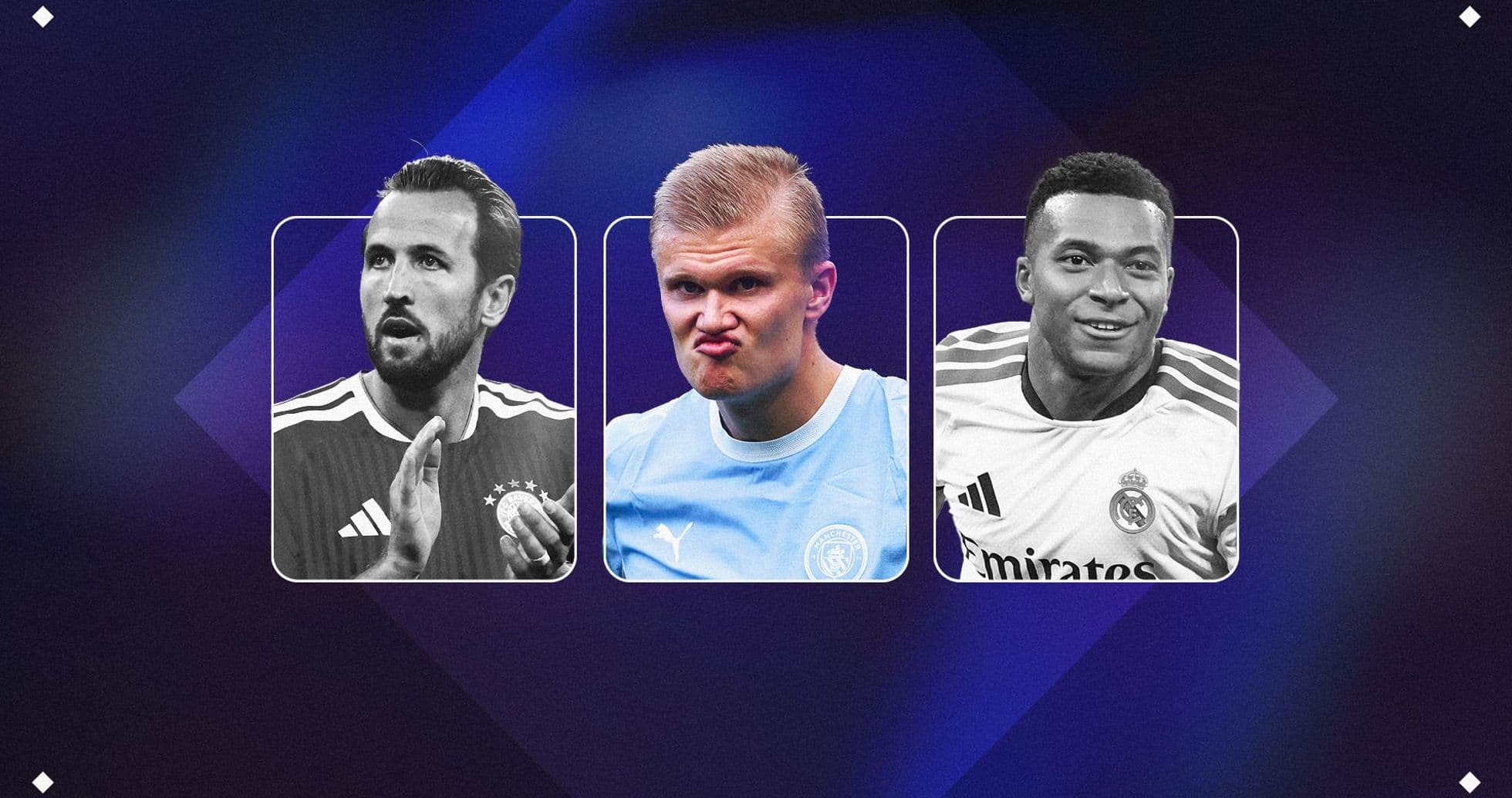
Erling Haaland stands out as the league’s undisputed superstar, but even he might leave amid Manchester City’s financial troubles and sanctions. Links to Barcelona and Real Madrid raise concerns about losing the Premier League’s main world-class forward, a blow to a league already lacking stars like Kylian Mbappe or emerging talents such as Lamine Yamal.
Emerging Talents and Domestic Challenges
There are promising players like Alexander Isak, Rayan Cherki, Rio Ngumoha, and Max Dowman, but the league’s relentless pace takes a toll. Managers like Mikel Arteta have pointed out that Premier League players never enjoy the same rest as counterparts in Spain or France, affecting freshness and performance by season’s end.
Arteta compared the Premier League to other leagues, highlighting how dominant teams in La Liga can rest key players more regularly, a luxury less feasible in England's competitive environment. This intensity, while thrilling for fans, may ultimately hinder the development and retention of top attacking talent.
Market Dynamics and Future Outlook
Premier League clubs increasingly buy proven domestic talent from rivals rather than seeking fresh world-class stars from abroad. This shift inflates prices for ordinary players without necessarily raising overall quality. Recent transfers involving Savio, Liam Delap, Mateus Fernandes, and Elliot Anderson show this trend clearly.
Many recognize this concerning scenario, but the Premier League's business momentum continues unabated. Without more world-class attackers and midfielders, the league risks losing some of its global appeal, even as it maintains huge audiences.