Portugal's World Cup Stumble Against DR Congo: Ronaldo's Impact
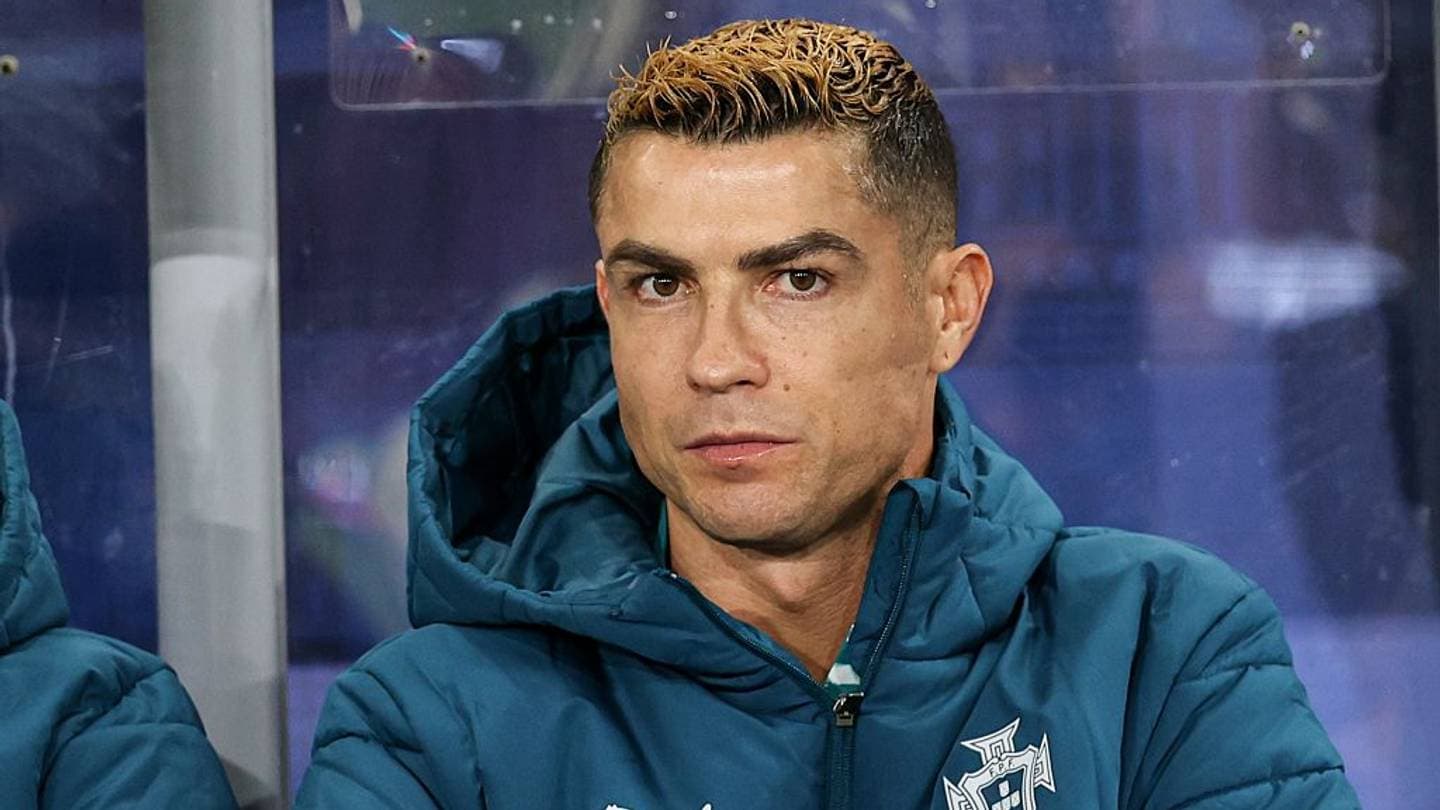
MIAMI GARDENS, FL – The inquest began before the players had even left the pitch. Cristiano Ronaldo, 41 years old and on the grand stage for a sixth World Cup, walked off without a goal and into a familiar storm of scrutiny.
Inside the Portugal camp, though, the blame was going elsewhere.
Rúben Dias stood up to it. The defender dismissed the idea that Ronaldo’s quiet night was the reason Portugal stumbled to a flat 1-1 draw against DR Congo, a result that instantly darkened the mood around a team expected to cruise through the group.
For Dias, the problem was simpler, and more damning: Portugal stopped playing with any real threat.
Early control, then a slow fade
The evening had started exactly as Portugal wanted. João Neves rose in the sixth minute and buried a header with the kind of conviction that usually signals a routine win is coming. One chance, one goal, an early lead. The script looked familiar.
Then the football stopped matching the scoreline.
Instead of turning the screw, Portugal sank into a kind of sterile dominance. They kept the ball, but not the initiative. Possession ticked up, danger dropped off. The crowd at Miami Gardens felt it before the equaliser arrived; the game was being played at Portugal’s tempo, but on DR Congo’s terms.
Dias didn’t hide from that reality.
"It was the first game of the competition. We scored a goal in a match we knew would be very difficult," he said through a translator. "Perhaps that led to a tendency to overdo ball possession without being as effective as we try to be and usually are."
The numbers backed him. Portugal finished with just one shot on target – Neves’ early header – and never forced DR Congo goalkeeper Dimitry Bertaud into another serious save after taking the lead. For a side loaded with attacking talent, it was a stark indictment.
Wissa punishes Portugal’s drift
The warning signs kept flashing. DR Congo grew bolder with every safe Portuguese pass. The spaces that should have been opening up behind their back line never truly appeared, because Portugal rarely asked the question.
The pressure eventually swung the other way. Yoane Wissa struck before halftime, levelling the match and flipping the mood. From that moment, it was Portugal who looked short of ideas, their attacks breaking down in front of an increasingly confident Congolese block.
Dias knew exactly where the fault line lay.
"I think we lost the chance to create danger, to make them feel the danger, to make them feel threatened," he said. "Because of that, the game took on a strange atmosphere."
Strange is one word for it. A team with Ronaldo on the pitch, chasing a winner, registering no further shot on target in a World Cup opener is another kind of strange altogether.
Ronaldo in the spotlight, again
Outside the dressing room, the narrative snapped quickly into focus. Ronaldo, goalless. Ronaldo, 41. Ronaldo, still starting. The questions were inevitable.
Inside it, Dias pushed back at the idea that the captain’s presence, or his performance, had warped Portugal’s approach.
He insisted the issue was collective, not individual. The team, he argued, simply stopped playing with enough urgency, stopped taking enough risks in the final third, stopped turning possession into punishment.
"I have complete confidence in my teammates, and I know we all have the ability to contribute to the team's performance on the pitch," he said. There was no hint of a crack in the dressing room, no suggestion that the players shared the external doubts.
Dias framed the noise around Ronaldo as something they have all grown used to living with.
"I think each one of us, including Cristiano, is used to dealing with media attention in contexts like the World Cup," he said. "I believe that nothing new is happening to us."
In other words: this is the standard storm that follows Ronaldo everywhere. Portugal, he implied, have learned to walk through it.
A warning before Uzbekistan
The draw with DR Congo does not end Portugal’s World Cup ambitions. It does, though, change the temperature around their campaign before it has really begun.
A team that managed one meaningful effort on goal in 90 minutes will now be asked to show a very different face when they return to action on June 23 against Uzbekistan. The margin for another languid, low-risk performance has already shrunk.
Dias’ words cut to the heart of the challenge. Portugal do not lack technique. They do not lack experience. They do not lack names. What they lacked in Miami Gardens was edge.
If that doesn’t return quickly, the questions about Ronaldo’s role will be just the start of a much larger interrogation of this team’s direction.