Portugal Defeats Croatia 2-1: Tactical Analysis of World Cup Match
Portugal’s 2-1 win over Croatia at BMO Field in this World Cup Round of 32 tie was defined by structural control versus transitional threat. Both sides lined up in a 4-2-3-1, but the way they inhabited that shape was very different: Portugal used it as a platform for territorial dominance and combination play between the lines, while Croatia leaned on experience in midfield and direct attacking patterns to generate high-quality moments despite having less of the ball.
Portugal’s 61% possession, 584 passes and 91% pass accuracy underline a clear plan: slow, positional progression through the double pivot of João Neves and Vitinha, then rapid accelerations once the ball reached the three behind Cristiano Ronaldo. With Nuno Mendes and João Cancelo both starting high and wide, the structure often morphed into a 2-3-5 in settled attack: Rúben Dias and Renato Veiga stayed as the rest defence, protected by at least one pivot, while Pedro Neto and Rafael Leão stretched the pitch on the flanks and Bruno Fernandes operated as the main connector in the right half-space.
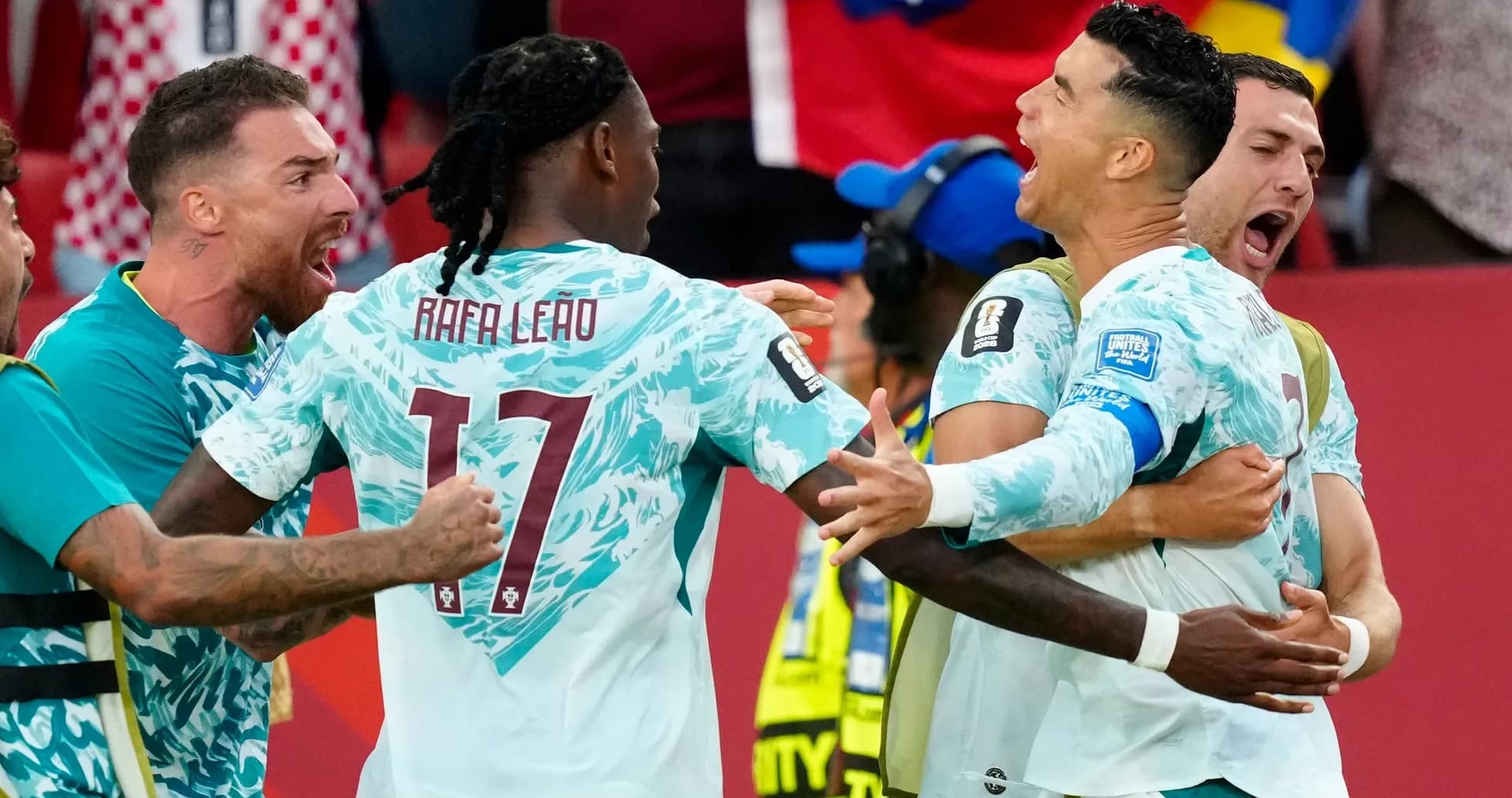
This platform produced volume: 15 total shots, 10 from inside the box, and 9 corners. The 2.18 xG figure reflects not just quantity but the quality of Portugal’s penalty-box occupation. The front four continually looked to overload the last line, which contributed to repeated offside situations and a disallowed goal for Ronaldo checked by VAR at 61', but also forced Croatia’s back four to defend facing their own goal for long spells. When the penalty arrived at 68', it was the logical outcome of sustained pressure and Portugal’s insistence on attacking the space between full-back and centre-back.
Out of possession, Roberto Martinez’s side defended primarily in a mid-block 4-4-2, with Bruno Fernandes stepping up alongside Ronaldo to press Croatia’s centre-backs, while Neto and Leão dropped to the line of the double pivot. The foul count (only 6) and a single yellow card show a controlled defensive performance, relying more on compactness and pressing triggers than on disruptive challenges. Dias’ early booking for “Elbowing” at 17' did not destabilise the back line; instead, Portugal managed risk by tightening distances around him and avoiding overly aggressive duels in his zone.
Croatia’s 4-2-3-1 under Zlatko Dalic was more fluid in midfield but more direct in its attacking intentions. Luka Modrić and Mateo Kovačić formed the double pivot, with Nikola Vlašić, Petar Sučić and Martin Baturina rotating ahead of them. The visitors accepted long spells without the ball (39% possession, 368 passes) and focused on verticality once they recovered it. Their 13 shots, 10 inside the box, and 1.34 xG from limited possession highlight a strategy built on quick progression and exploiting Portugal’s advanced full-backs.
The opening goal from Ivan Perišić at 53' encapsulated Croatia’s plan: early attacking involvement from the nominal left-back, breaking beyond the line once Portugal’s shape was stretched. Ante Budimir’s withdrawal at 46' for Igor Matanović freshened the central reference point, allowing Croatia to continue playing into feet and then out to wide runners. Modrić’s yellow card for “Tripping” at 59' came in the context of Croatia trying to slow Portugal’s counters after turnovers, an indication of how often they were forced into emergency defending between lines.
Tactically, the substitution wave around the hour mark was decisive. Portugal’s triple change at 62–63' — Bernardo Silva (IN) for Vitinha (OUT), Francisco Conceição (IN) for Pedro Neto (OUT), and Nélson Semedo (IN) for João Cancelo (OUT) — subtly reshaped the side. Bernardo dropped deeper to assist build-up and add an extra playmaking layer, while Conceição offered more direct 1v1 threat from wide and Semedo provided a slightly more conservative, defensively secure profile at right-back. This shifted Portugal from a high-risk, expansive attacking posture to a more balanced structure that still carried threat.
Croatia responded with Mario Pašalić (IN) for Martin Baturina (OUT) at 68', adding late-arrival presence from midfield, and later Andrej Kramarić (IN) for Mateo Kovačić (OUT) at 90+6' to chase the game. Joško Gvardiol’s introduction for Nikola Vlašić at 90+2' reflected a late tactical adjustment, likely to add left-footed distribution and aerial power as Croatia pushed bodies forward. Their repeated VAR-checked disallowed goals — Petar Sučić at 81' and Gvardiol at 90+13' — show that the structural shift did generate danger, but Portugal’s offside line discipline and compact central block held.
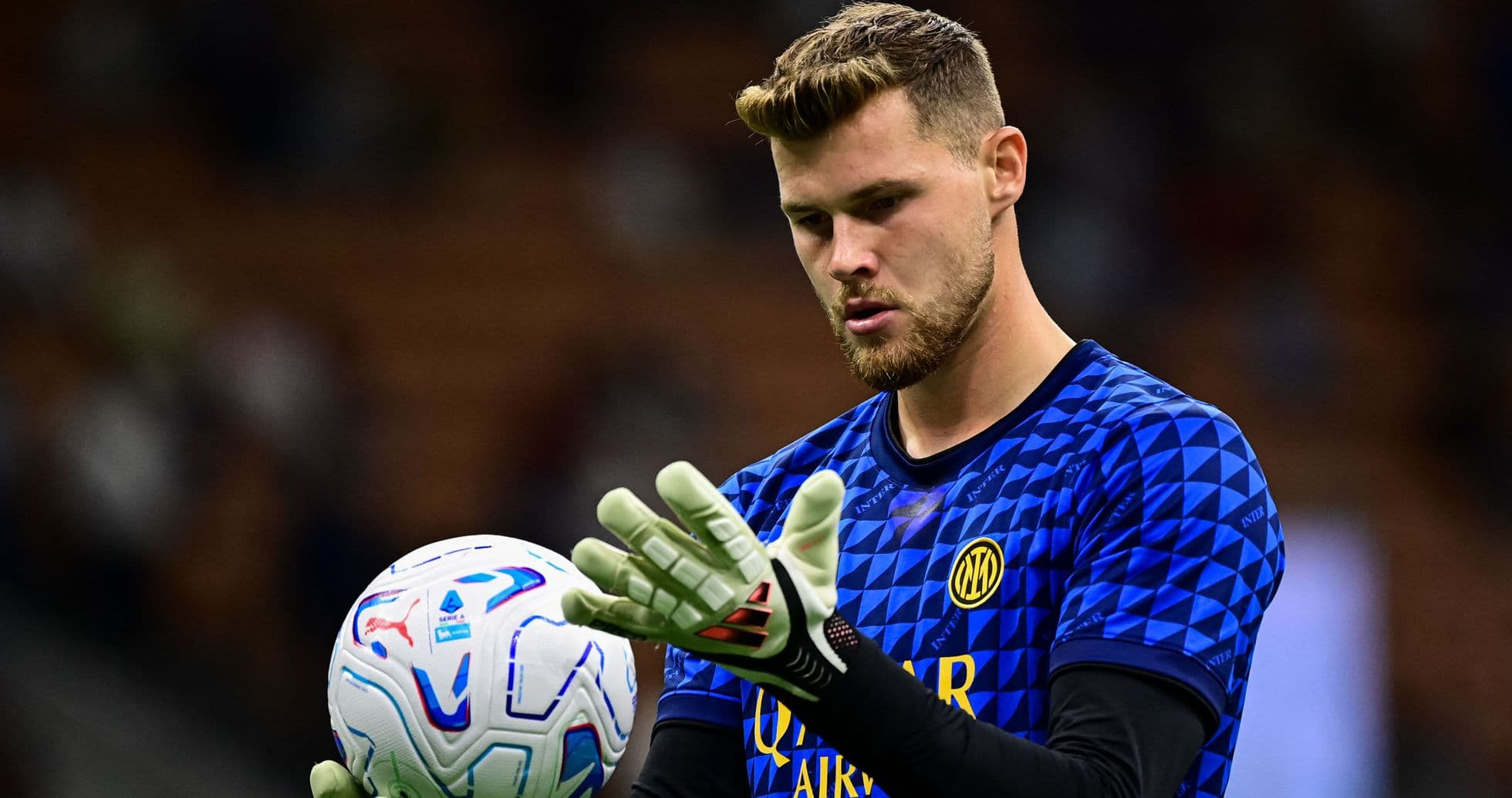
In goal, Diogo Costa (Portugal) was asked to make 5 saves despite his team’s territorial dominance, underlining Croatia’s ability to create clear looks when they broke through the press. Dominik Livaković (Croatia), by contrast, faced 3 shots on target and made 2 saves, a reflection of Portugal’s efficiency once they reached optimal shooting zones. Both keepers operated behind defences that blocked multiple efforts (Portugal 4, Croatia 2), but the higher Croatian shot-on-goal tally (6) against fewer total attempts shows how their more selective attacking translated into cleaner chances.
The discipline profile further frames the tactical story. Croatia’s 12 fouls and 2 yellow cards — Modrić for “Tripping” and Perišić for “Unsportsmanlike conduct” at 90+8' — indicate a team frequently stretched and forced into last-ditch interventions as Portugal circulated the ball. Portugal’s 6 fouls and one card suggest they largely controlled the tempo and defensive distances, allowing them to defend more by positioning than by contact.
Statistically, the verdict is clear: Portugal’s superior xG (2.18 to 1.34), higher shot volume, and passing dominance were not sterile. They translated structural control into scoreboard impact, particularly after the substitution reshuffle enhanced their balance. Croatia remained dangerous and tactically coherent, using their 4-2-3-1 as a counter-attacking and late-crossing platform, but their reliance on fine offside margins and VAR-checked situations ultimately left them short against a Portugal side that married possession with penalty-box presence at critical moments.