Phoenix Rising vs Louisville City: Tactical Clash in USL Championship
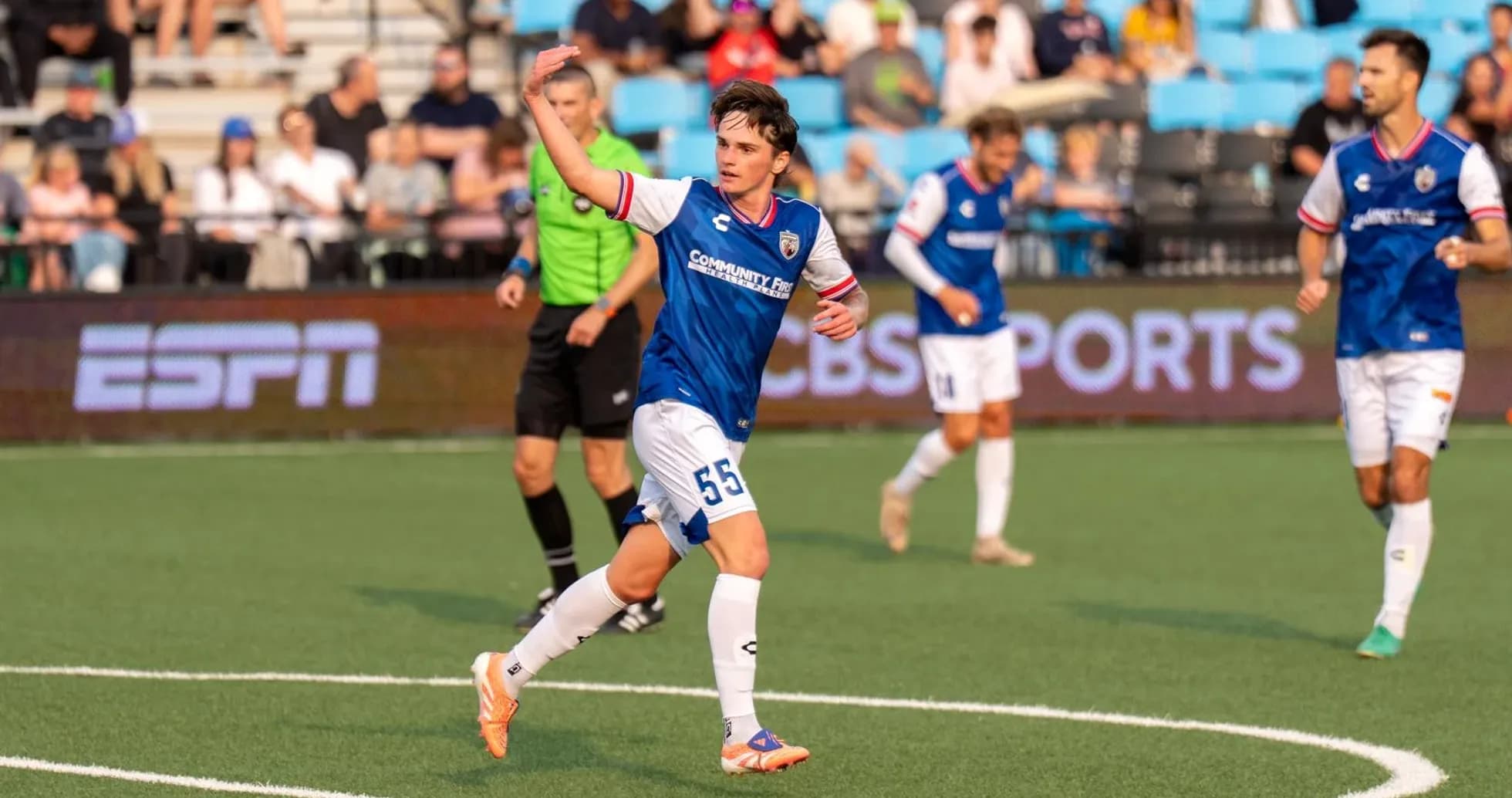
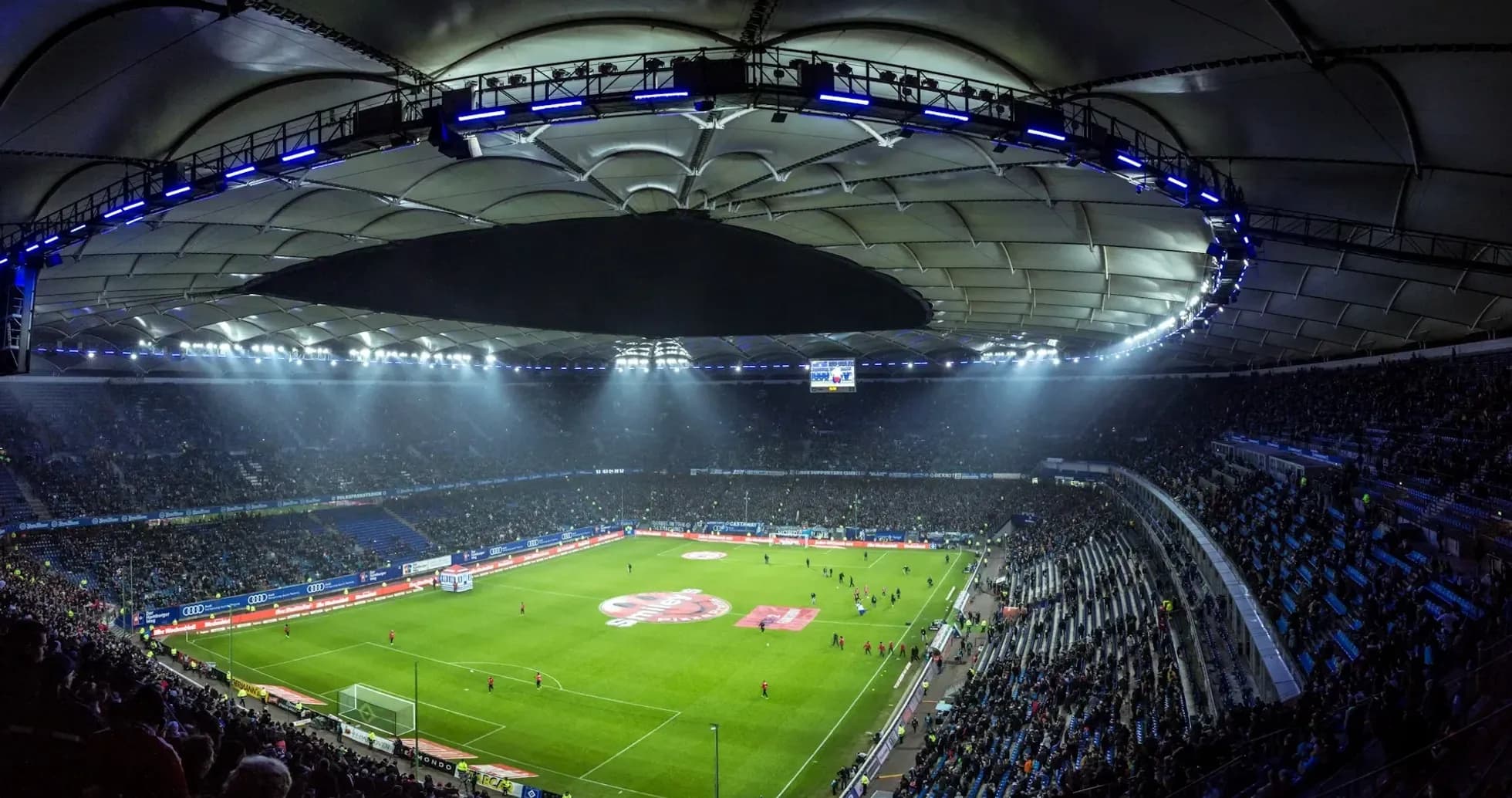
Under the desert lights at Wild Horse Pass Stadium, a promotion-chasing Phoenix Rising side met a wounded but dangerous Louisville City, and across 90 minutes the story belonged to the visitors. Following this result, Phoenix remain a paradox in USL Championship Group USL 1: fifth in the table with 16 points from 12 matches, their overall goal difference a slender +1 from 15 goals for and 14 against. Louisville, second with 20 points from 13 games and a +2 overall goal difference (22 scored, 20 conceded), showed why their ceiling is higher than their recent “WDLLL” form suggested.
This was billed as a clash of identities. Phoenix, guided by Pa-Modou Kah, have been defined by balance and marginal gains. In total this campaign they average 1.3 goals scored and 1.2 conceded per match, rarely blowing teams away but almost always in the contest. At home, that identity sharpens: 1.5 goals scored and 1.0 conceded on average, with just one home defeat in six. Louisville, under Simon Bird, are more volatile. On their travels they score 1.9 goals per match and concede 1.6, an away profile that screams front-foot aggression and risk.
Kah’s XI reflected that search for control. With no formal formation listed, the personnel hinted at a flexible, hard-running structure. P. Rakovsky anchored the side in goal, shielded by a back line built around C. Smith and P. Mar Boye, with JP Scearce adding defensive versatility. In front of them, A. Vukovic and L. Biasi offered the platform in midfield, while D. Gomez and J. Moursou were tasked with knitting phases together and finding the runs of G. Rivera, I. Sacko, and D. Rivera.
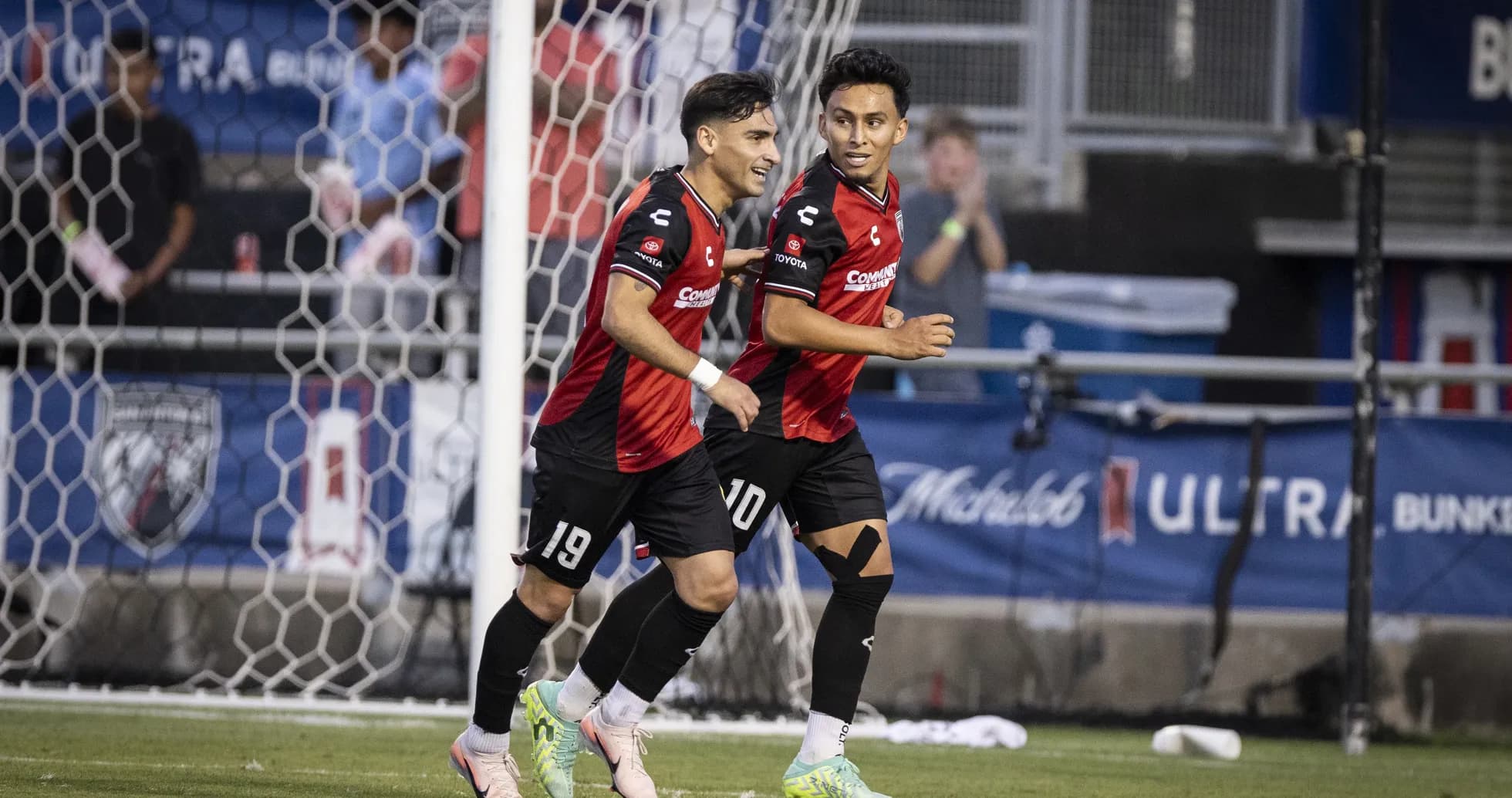
Louisville’s selection, meanwhile, leaned into their attacking DNA. D. Faundez started in goal behind a defensive unit of A. McFadden, S. Totsch, K. Adams, and A. Dia. The double Davila axis – T. Davila and E. Davila – plus Z. Duncan and B. Dayes suggested a compact but technically sound midfield box, freeing creative sparks like M. Akale and the central presence of C. Donovan to attack space. It is from this core that Louisville’s 22 total goals have flowed, with their biggest away wins this season already reaching 3-0 margins.
Tactically, the game’s voids were more conceptual than personnel-driven. There were no listed absences, no suspensions to reshape the sides; instead, the “missing pieces” were Phoenix’s cutting edge and Louisville’s consistency. Phoenix came into the night on a form line of “LWLDW” in the standings snapshot, but their deeper season pattern – “LDDDLWWWDLWL” – reveals streaks: three straight wins at their best, three straight draws when they stall. They have failed to score in three matches overall, including once at home, and this fixture slotted into that more anaemic version of Rising.
Discipline has been a quiet subplot to Phoenix’s season. In total, their yellow cards skew heavily towards the middle and late phases: 34.15% between 46-60 minutes and 24.39% between 76-90. Their red-card story is brutally specific: both reds have arrived in the 31-45 minute window, a reminder that emotional spikes around half-time can change games. Louisville’s card profile is more evenly spread but still crescendos late, with 23.81% of their yellows between 46-60 minutes and another 23.81% from 76-90. In a tight knockout-style contest – and with both sides earmarked for the 1/8-finals in the play-off picture – those windows become tactical danger zones.
Key Matchups
The key matchups on the night revolved around two axes: the “Hunter vs Shield” battle between Louisville’s away attack and Phoenix’s home defence, and the “Engine Room” duel between Phoenix’s midfield workers and Louisville’s Davila-led core.
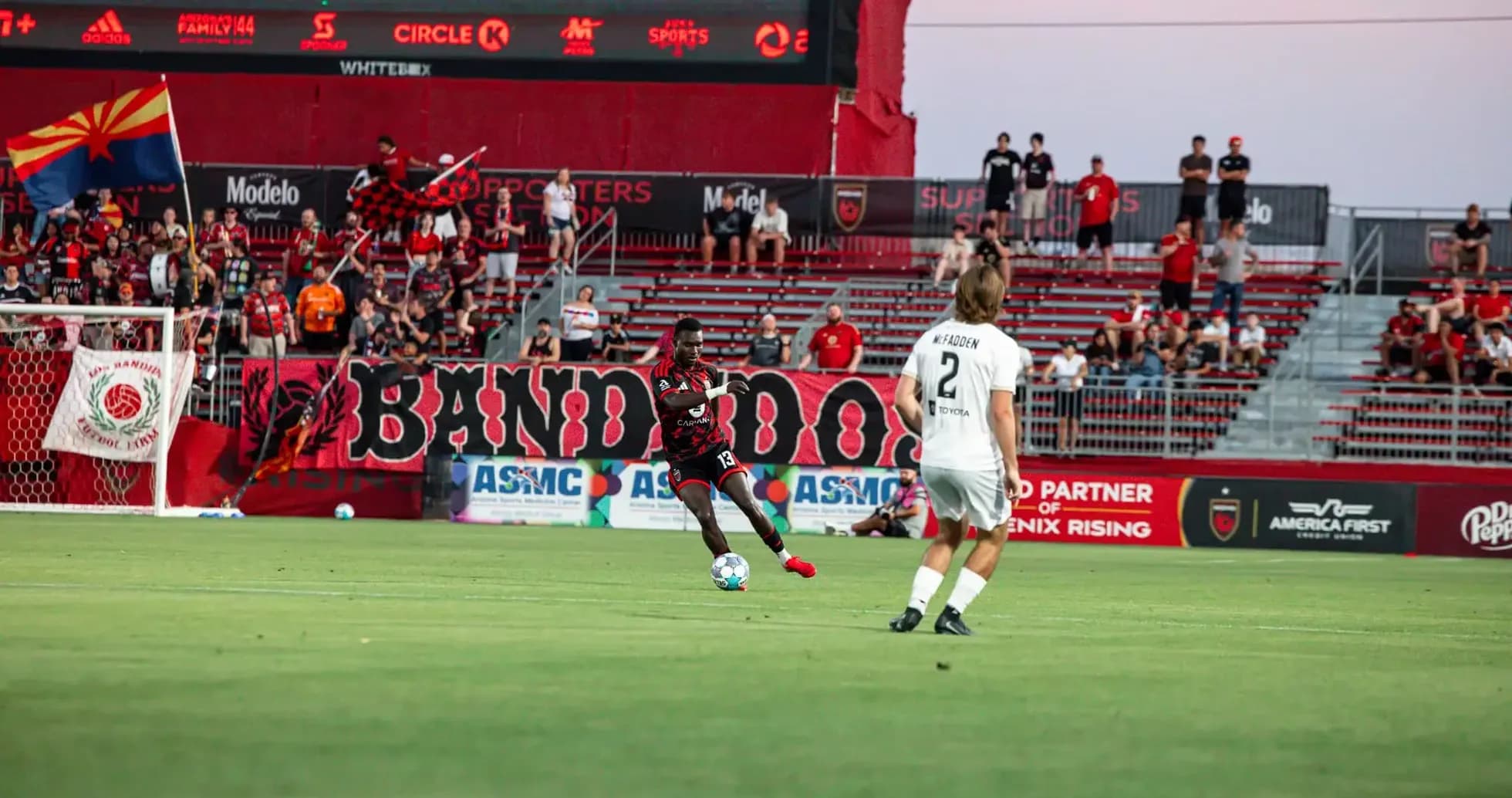
On their travels, Louisville’s 13 goals from seven matches underscore their ability to create chances from structured pressure. Phoenix’s home defence, conceding just six in six, had been robust. The 0-2 full-time scoreline is thus a significant breach: Louisville not only pierced a usually tight block, they doubled Phoenix’s typical home concession rate. It suggests that the visitors’ vertical runs – often orchestrated by T. Davila and E. Davila – successfully pulled Scearce and Mar Boye into uncomfortable spaces, leaving Rakovsky exposed more than Kah would tolerate.
In midfield, Vukovic and Biasi were cast as enforcers and metronomes, tasked with smothering Louisville’s rhythm. But Louisville’s season-long balance between risk and reward told. They have failed to score in three matches overall, all at home; away, they have always found the net. That pattern held, and Phoenix’s inability to turn their own home attacking average of 1.5 goals into anything tangible left the engine room’s work feeling incomplete.
The benches offered contrasting narratives of depth. Phoenix had nine substitutes, including the experienced C. Odunze in goal and attacking options like G. Studenhofft and E. Ramirez. Louisville travelled lighter with eight, but with impact players such as R. Serrano, C. Moguel, and T. Showunmi available to stretch a tiring game. Given both teams’ tendency to collect yellows after the interval, the final half-hour was always likely to be shaped by fresh legs and composure; here, Louisville’s clarity of approach – keep the front line aggressive, protect a narrow lead, then add energy – proved decisive.
From a statistical prognosis standpoint, this result nudges both teams further along the trajectories their numbers forecast. Phoenix’s overall goal difference of +1 remains fragile; their inability to convert home territory into goals, despite a 100.00% penalty conversion record from five total attempts this season, underlines a reliance on set-piece moments that did not materialise here. Louisville, with a total scoring average of 1.7 and conceding 1.5, will continue to live on the edge, but their third away clean sheet of the campaign adds a new layer of defensive credibility.
Following this result, the tactical balance of Group USL 1 shifts subtly. Phoenix stay in the play-off places but with less margin for error, their home aura dented. Louisville consolidate second with the reassurance that their attacking identity travels. If this is a preview of a future 1/8-final meeting, the lesson is clear: Phoenix must find more incision in the final third, and Louisville must harness their volatility without losing the defensive discipline that underpinned this 0-2 away statement.