Pep Guardiola Rejects Italy Coaching Opportunity
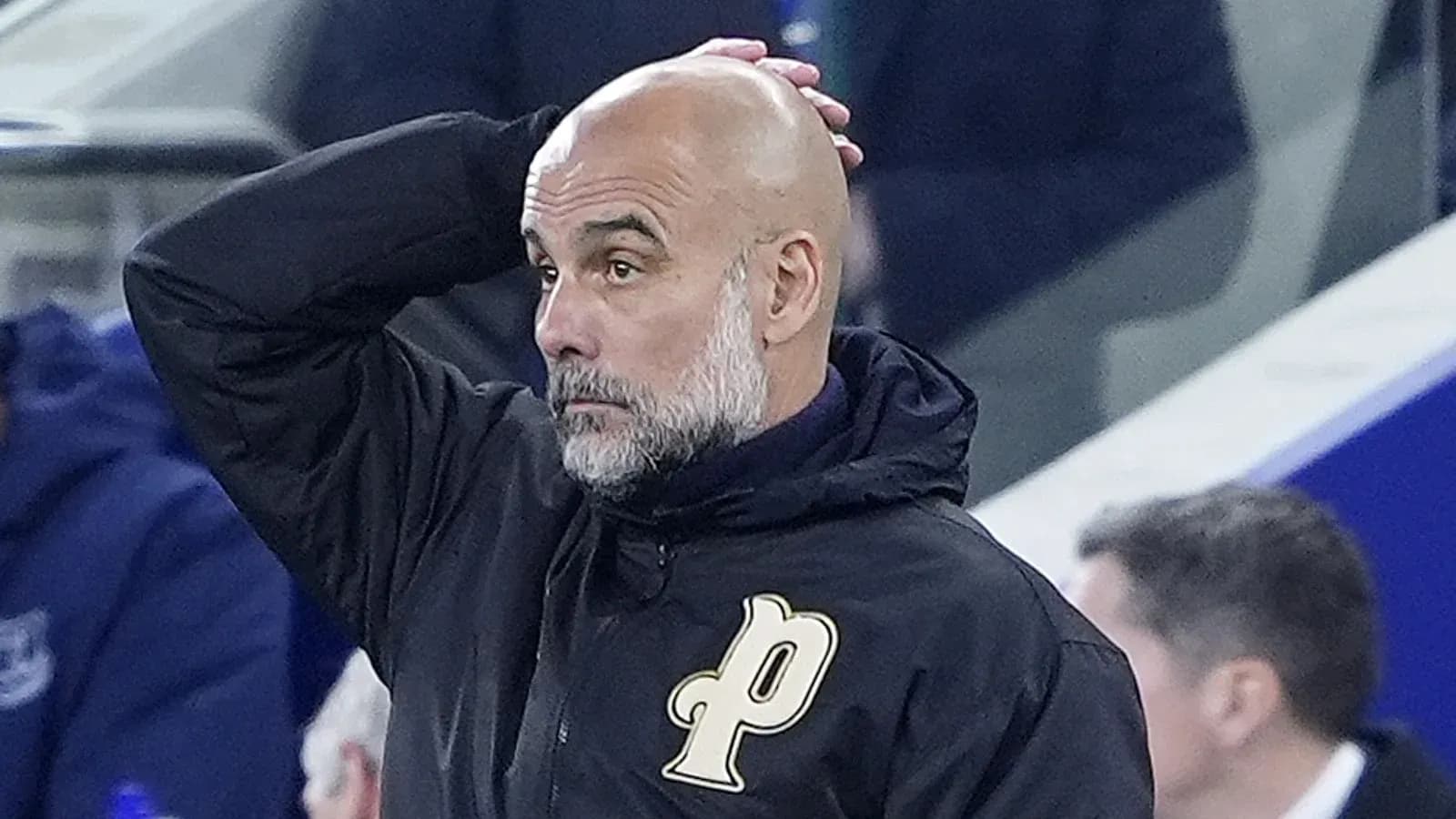
Pep Guardiola has turned down the chance to become Italy head coach, rejecting an ambitious offer from the Italian Football Federation that was designed to rebuild an entire footballing culture around him.
His answer arrived on Thursday night. Clear, decisive, and rooted, according to Sky in Italy, in personal reasons that stretch beyond football. Not money. Not power. Life.
Italy’s grand Guardiola plan
This was no routine job pitch from the FIGC. They did not simply ask Guardiola to replace Gennaro Gattuso and take charge of the senior national team. They tried to hand him the keys to Italian football.
Paolo Maldini and his advisor Leonardo led the courtship, meeting Guardiola over three days in Barcelona. They laid out a sweeping vision: an ‘Azzurro project’ with Guardiola as the central figure, charged with rebuilding Italy from the ground up after years of underachievement and structural drift.
The federation was ready to tear up its budget to make it happen. An “exceptional adjustment” was on the table to lure the former Manchester City manager. The plan stretched beyond the dugout at senior level. It involved every national team, every age group, a full reset of the system that once defined tactical excellence but has since watched the game evolve without it.
Italy’s recent record underlines the desperation. They did not qualify for this summer’s expanded World Cup in North America. They have missed the last three major tournaments since winning Euro 2021 under Roberto Mancini. For a country with four World Cups, that is not a blip. It is a crisis.
The response from Guardiola? Respectful, attentive, but ultimately no.
A free agent who doesn’t want a job
For the first time in a decade, Guardiola is a free agent. His 10-year spell at Manchester City is over, a period in which he collected 20 trophies and posted a win ratio of 70.8 per cent. He leaves the Etihad with his legacy secure and his options wide open.
Yet he has been telegraphing this moment for some time. A year before his City exit, speaking to Sky Sports, he made it clear that the end of his time in Manchester would not be followed by an immediate return to the touchline.
“No plans for [coaching] for a while. Otherwise I would be here. I need to step back. I will not [coach] for a while,” he said in his final City press conference, explaining that the grind of fighting for titles season after season had drained him. “I feel I will not have the energy every day, with expectations to fight for the title. I know myself, I have that energy, but I feel like I will not have it [in the future].”
He then stripped it back to something more personal. Family. Time. Life outside the training ground.
“There are things that I have not done that I want to do. I still have my father alive. I want to spend more time with him. My kids... And a lot of things as a human being I can do. I'm fortunate I can decide, that's why I took this decision.”
Italy, with its grand project and emotional pull, ran straight into that wall.
The one that got away
For the FIGC, the rejection stings. This was supposed to be the bold reset after failure. Maldini and Leonardo were brought in as part of a sweeping shake-up following Italy’s latest World Cup absence, tasked with finding the figurehead to lead a new era after Gattuso stepped aside.
They identified the biggest name in the sport. They gave him time, space, and a grand idea. He listened. And then walked away.
Italy must now turn back to more familiar names. Roberto Mancini, the man who delivered Euro 2021 but could not drag them to subsequent tournaments, is among the alternative options. So is Andrea Pirlo, the elegant former playmaker still carving out his managerial identity.
The scale of the job remains daunting. The idea of Guardiola as architect of a new Italian football, from Coverciano to the senior side, was as radical as it was romantic. Now the federation must attempt that rebuild without the man they believed could fast‑track it.
England’s near miss and the lure of the national game
This is not the first time a major federation has thought it had Guardiola within reach.
Back in 2024, reports suggested he had a verbal agreement with the FA to replace Gareth Southgate as England manager. Then came the twist: Guardiola changed his mind and stayed at Manchester City. Thomas Tuchel eventually took the England job and led them to their best World Cup finish on foreign soil. He has since extended his contract through to the end of Euro 2028 and has publicly committed to seeing it out.
The pattern is clear. Federations circle. Guardiola listens. But timing, energy, and circumstance keep pushing him away from the immediate leap.
Yet he has never hidden his curiosity about international football. In a 2024 interview with chef Dani Garcia, he drew a firm line under the idea of leaving Manchester City just to replicate the same club routine elsewhere.
“What I'm not going to do is leave Manchester City and go to another country to do the same thing as I am now. I wouldn't have the energy to do so. I'm still here doing what I am today. But the thought of starting somewhere else, with all the process of the training and so on... no, no, no! Maybe a national team, but that's different.”
The phrase hangs there. “Maybe a national team.” Not now. Not yet. But not never.
A different kind of obsession
Those who know Guardiola know he is a football obsessive. Breaks, for men like him, are rarely permanent. They are pauses, not full stops.
International management sits in that intriguing middle ground. Less daily intensity, fewer training sessions, more time between camps. Enough space to breathe, travel, and be with family. Yet still the chance to shape a group, imprint ideas, and chase the only major frontier he has not conquered: a World Cup or a European Championship from the dugout.
He has done everything there is to do in club football. Titles in Spain, Germany, and England. Champions Leagues. Domestic clean sweeps. Tactical revolutions that have bent the sport in his direction.
The international game offers something different. Short bursts of work. Tournament arcs. The pressure of a nation rather than a fanbase. Uncharted territory.
For now, though, Italy will not be the laboratory for that next chapter. Guardiola has chosen distance over another project, rest over reinvention. The FIGC must regroup, recalibrate, and find someone else to carry the weight of their ‘Azzurro project’.
The question is not whether Guardiola will one day walk into a national team dugout. The question is which anthem he will be standing for when he finally feels ready to return.