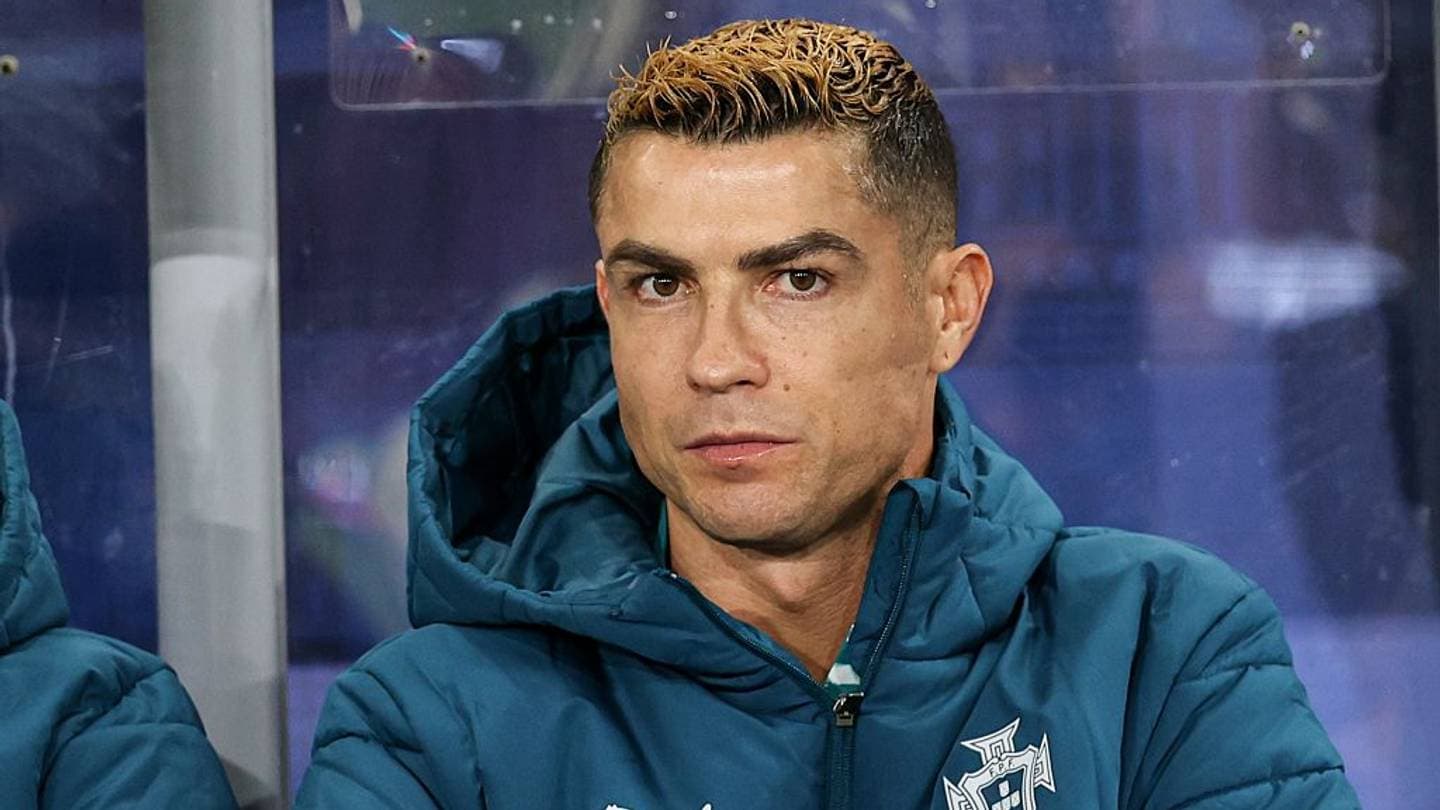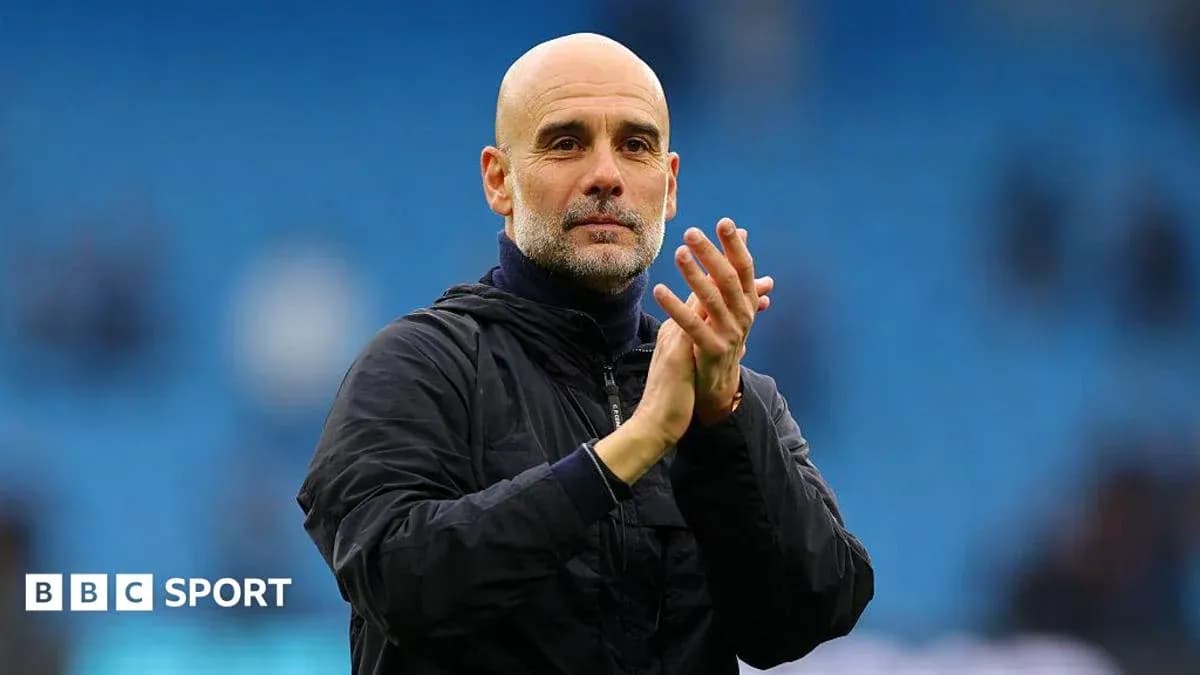
Pep Guardiola in Talks to Coach Italy’s National Team
Pep Guardiola has held talks about becoming Italy’s next head coach, Italian Football Federation president Giovanni Malagò has confirmed, in a move that would send shockwaves through the international game.
The former Manchester City manager, who walked away this summer after a decade of relentless success in England, is now at the centre of Italy’s search for a new commissario tecnico following another World Cup failure.
Italy turn to a serial winner
Italy have been without a head coach since Gennaro Gattuso resigned in April, days after the Azzurri’s latest World Cup qualifying collapse. Three straight tournaments missed. For a four-time world champion, it has become a national wound.
So the FIGC has gone big.
Sky Italia first revealed on Monday that the federation had made contact with Guardiola, now 55, and Malagò has now publicly confirmed that talks have taken place with the Spaniard.
In an interview with Italian digital outlet Cronache di spogliatoio, Malagò admitted that the federation is prepared to bend its own rules to land a manager of Guardiola’s stature.
“[Financial] exceptions have been made, exceptions that for example may concern the name that is so overbearing in these hours: Pep Guardiola,” he said. “Exceptions for obvious reasons that I am not here to explain, but it is not certain that this thing will go through.”
The message is clear: Italy know what it will cost, and they are at least willing to explore it.
BBC Sport has contacted the Italian Football Federation for comment.
A glittering CV, a tired mind
Guardiola left Manchester City at the end of last season, closing a 10-year spell that reshaped English football. Six Premier League titles, three FA Cups, five League Cups and a Champions League trophy underline the scale of his dominance.
Those achievements came on top of his trophy-laden years at Barcelona and Bayern Munich, where he turned winning into a habit and possession football into a weapon.
When his time at City ended in May, Guardiola spoke openly about the toll of constant competition. “I am so tired. Seriously, I am so tired,” he admitted, reflecting on a decade in Manchester that he described as richer in memories than even his eras at Barça and Bayern.
If he does accept the Italy job, it would mark a rapid return from that exhaustion into one of the most pressurised roles in world football.
A rare foreign face for the Azzurri
Italy’s dugout has almost always been the preserve of Italians. Across more than a century, only two foreign coaches have had any role in leading the men’s national team.
Hungarian Lajos Czeizler formed part of a technical committee in the 1950s, while legendary Argentine Helenio Herrera briefly shared the role with Ferruccio Valcareggi in the following decade.
Guardiola would be stepping into a job steeped in tradition and national identity, but he would not arrive as a stranger. He speaks fluent Italian and spent two seasons in Serie A between 2001 and 2003, with two spells at Brescia and one at Roma. He knows the culture, the pressure, and the scrutiny that comes with calcio.
Mancini, Pirlo… and others
Guardiola is not the only name on the FIGC’s shortlist.
Another former Manchester City manager, Roberto Mancini, is in the frame. He famously guided Italy to Euro 2020 glory, rebuilding a broken side into a team that played with swagger and belief before his own turbulent exit from the role.
Andrea Pirlo, currently in charge of Dubai United and a former Azzurri midfield metronome, is also under consideration. His coaching career remains in its formative stages, but his footballing intellect and iconic status keep him in the conversation.
Asked whether Guardiola, Mancini and Pirlo were the only candidates, Malagò was emphatic: “Absolutely not. We think about a certain profile and certainly these names fall into that category.”
The profile is obvious: a strong personality, a clear playing identity, and the authority to drag a faltering giant back to the game’s top table.
A crossroads for Italy – and for Guardiola
For Italy, this is a defining moment. Do they entrust the national team to the most influential club coach of his generation, a foreigner with deep respect for Italian football but no experience of its national team cauldron? Or do they return to a familiar face, an Italian voice, a more traditional path?
For Guardiola, the question is just as stark. After conquering Spain, Germany and England at club level, does he trade the daily grind of domestic football for the rhythm of international cycles, staking his reputation on reviving a fallen superpower that has forgotten how to reach the World Cup?
Talks have begun. Exceptions are on the table. The Azzurri are waiting for an answer.