Paolo Maldini Appointed Technical Director of Italy National Team
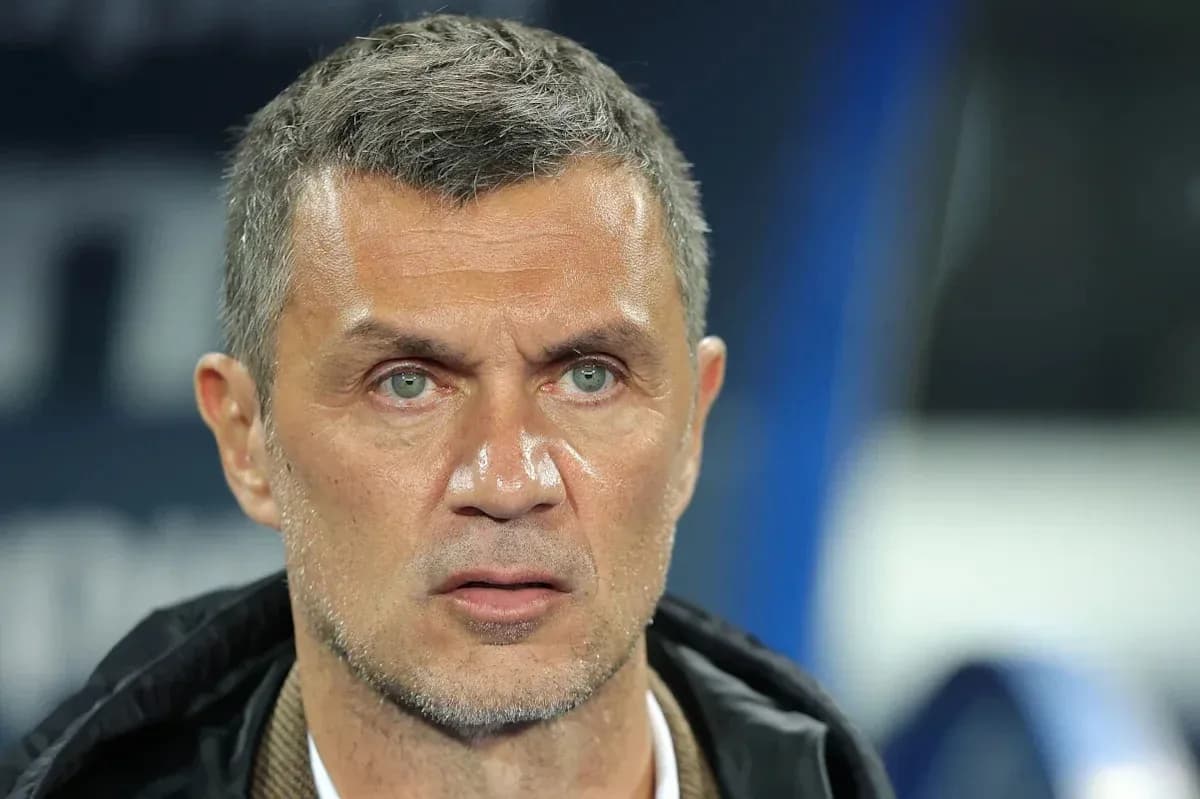
Paolo Maldini is back where Italian football believes he has always belonged: at the heart of the Azzurri project, with real power in his hands.
On Saturday night, the FIGC made it official. Maldini, the iconic former Milan and Italy captain, has been appointed technical director of the national team setup. At his side, as advisor, will be Leonardo – another familiar face, another sharp football mind. For a country still watching World Cups from the sofa, the symbolism is impossible to miss.
Italy have turned the sport’s biggest stage into a television event for the third straight edition. While the rest of the world argues about France, Spain, Argentina and England in the semi‑finals, Italy are once again stuck in reflection mode. The federation needed a reset. Maldini is the first brick in that rebuild.
This is not a ceremonial role. The 56‑year‑old steps into a commanding position, charged with shaping the technical direction of the national team and, crucially, identifying the next head coach. Antonio Conte and Roberto Mancini are widely viewed as the leading candidates, but the Italian media have already floated more audacious names: Pep Guardiola, Didier Deschamps, and others who would represent a dramatic change of course.
For now, the choice that matters most has already been made by the new FIGC president, Giovanni Malagò. His first major decision has been met with rare unanimity in a country that lives off debate. From fans to former greats, the reaction has been overwhelmingly positive.
Dino Zoff, who coached Maldini at Euro 2000 and lifted the World Cup in 1982, did not hide his admiration. “Paolo has given so much for our football, to Milan in particular but also for the national team,” he said, recalling not only the left‑back he once selected but also the Maldini dynasty that shaped Italian football. “He was also one of my players when I was in charge and I can't forget his father Cesare either, who was Bearzot's assistant when I won the World Cup in 1982.
“Maldini is a perfect appointment in terms of character, charisma and competence. I also understand the choice of Leonardo as an advisor. It's right that a leader surrounds himself with people he trusts.”
Zoff knows the weight of the job, and he knows the pressure that will surround the choice of coach. His message to Maldini was clear: “Maldini has to be free to follow his beliefs, without external interference.”
That line cuts to the heart of Italy’s recent failures. Too many competing interests, too much noise. Maldini, who built his reputation on clarity and authority on the pitch, is being asked to bring the same qualities to Coverciano.
The chorus of approval did not stop with Zoff. Alessandro Costacurta, Maldini’s long‑time defensive partner at Milan and a serial winner alongside him at San Siro, hailed the move in equally glowing terms.
“This is great news for Italian football, because we have brought in one of the most illuminated and sincere people in the sport,” the former defender said. For someone who shared a back line with Maldini through some of Milan’s greatest nights, the endorsement carries weight.
Costacurta went further, underlining just how pivotal this appointment could be. “Malagò made the best possible choice. In fact, picking Maldini is perhaps more important than choosing the new coach.”
It is a striking statement, but it captures the mood. Italy are not just hunting for another name on the bench; they are trying to rebuild a culture. Maldini, with his unshakeable standards and global respect, becomes the reference point.
Leonardo’s presence at his side adds an intriguing dimension. The pair worked together at Milan in the club’s management structure, and Costacurta drew a sharp, revealing contrast between them. “Leonardo is more of a dreamer, a visionary, whereas Paolo is more practical, looks to his knowledge and instinct,” he said.
That blend – dreamer and pragmatist – is exactly what Italy have often lacked in recent years. Too much nostalgia, not enough planning. Or detailed plans with no emotional core. Costacurta’s final observation may be the most important of all: “The best thing about them is that they listen to each other, despite starting from different ideas, and always manage to find a common solution.”
In a football culture that has spent years arguing itself into paralysis, Italy are placing their future in the hands of two men who have already proved they can find common ground. The World Cup remains a TV spectacle for now, but with Maldini steering the next chapter, the real question is how long Italy are prepared to stay in the role of spectator.