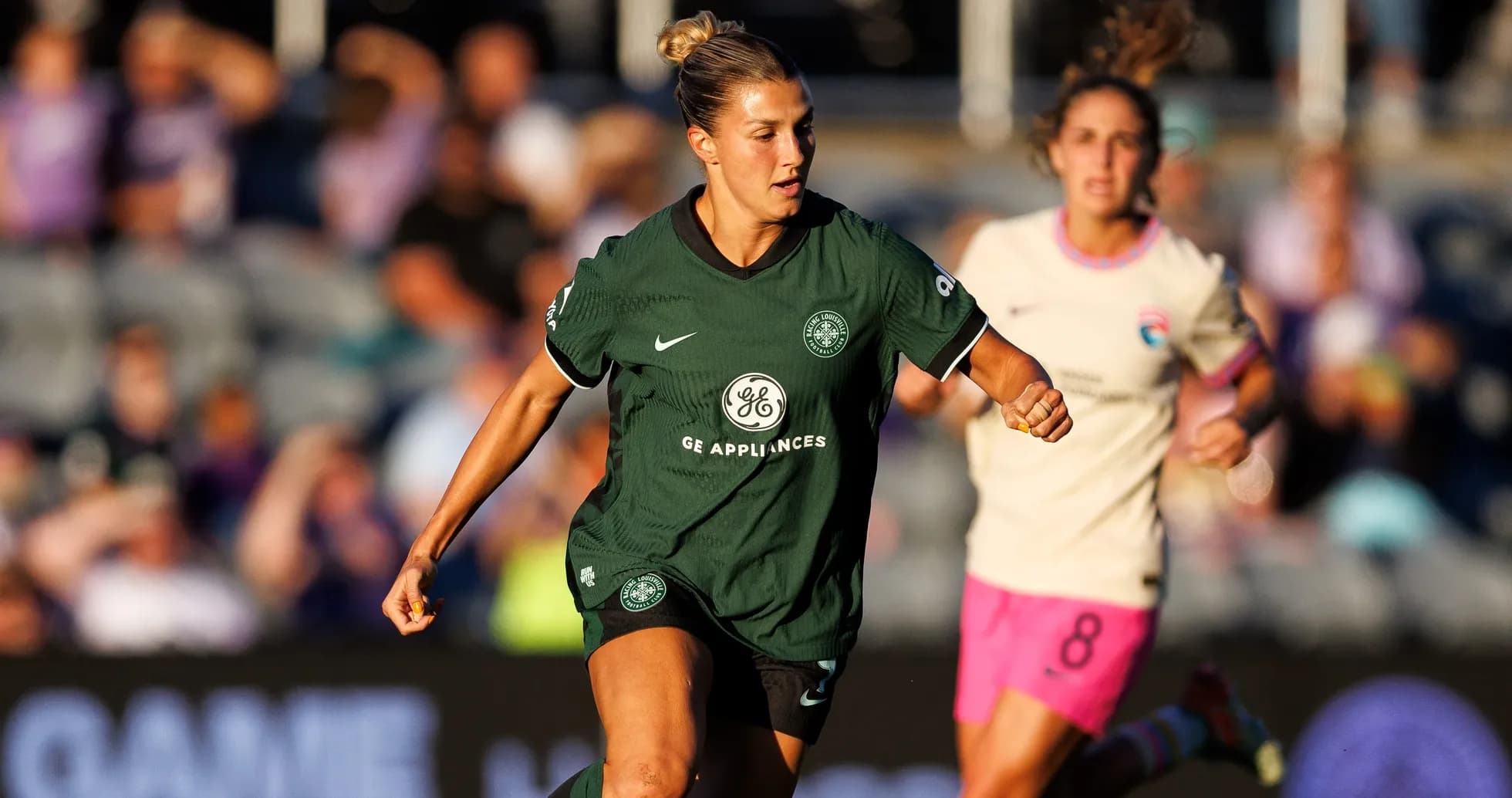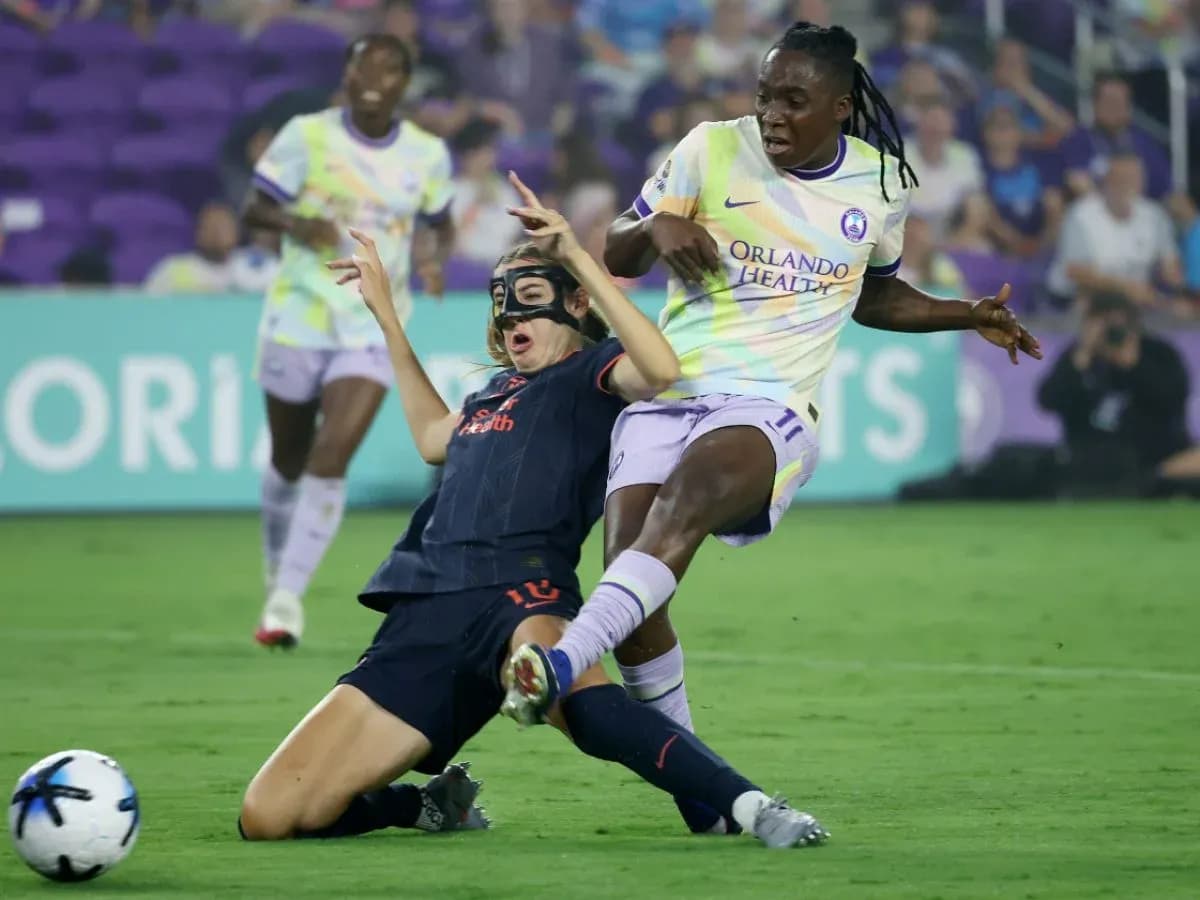
Orlando Pride W Dominates Bay FC W in 3–1 Victory
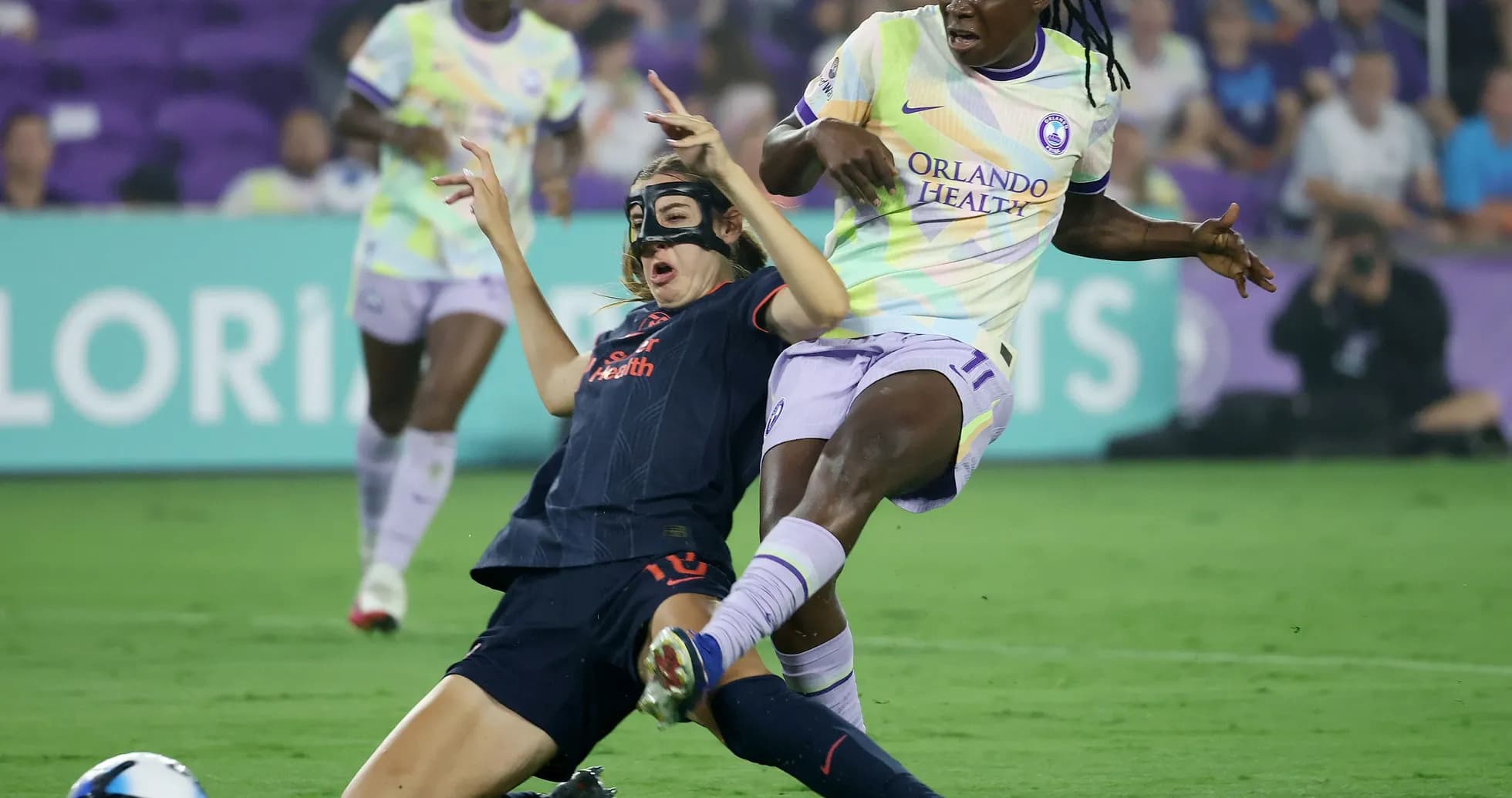
Under the Orlando lights at Inter&Co Stadium, this Group Stage fixture in the NWSL Women felt like a small-season crossroads. Orlando Pride W, seventh in the table heading into this game with 17 points and a slender overall goal difference of +1 (18 scored, 17 conceded), met a Bay FC W side marooned in 13th, their overall goal difference a stark -8 (9 for, 17 against). The final 3–1 scoreline to Orlando did more than settle a single night’s contest; it underlined the emerging identities of both squads.
I. The Big Picture – Orlando’s evolving DNA, Bay’s fragile core
Orlando came into this one as a quietly potent attacking unit. Overall this campaign they have averaged 1.5 goals per game, with that edge sharpened at home to 1.7. The defensive side has been less secure, conceding 1.4 goals per match overall and 1.5 at home, which has forced Seb Hines’ team into high-event football. Yet that chaos suits their star: Barbra Banda, the league’s leading scorer with 8 goals in 12 appearances, a relentless attacker whose 41 total shots and 23 on target tell the story of a forward who never stops asking questions.
Bay FC, by contrast, arrived as a team still searching for balance. On their travels they have scored 1.0 goal per game but conceded 1.8, a gap that has consistently undermined their intentions to play. Their overall return of just 9 goals in 11 matches reflects a side that struggles to turn possession into threat, while their 17 goals conceded and only 2 clean sheets overall betray a defensive line that spends too long under pressure.
Both coaches mirrored each other structurally with a 4-2-3-1, but the systems had very different personalities. Orlando’s version was front-foot and vertical; Bay’s was more cautious, reliant on individual quality in transition.
II. Tactical Voids and Discipline – Edges in the margins
There were no listed absentees in the data, so both managers could lean into their preferred shapes. For Orlando, that meant a settled spine: Anna Moorhouse in goal behind a back four of Oihane Hernández, Coriana Dyke, Hailie Mace and Rafaelle Souza. In front, the double pivot of Ally Lemos and Haley Hanson anchored a line of three – Luana Bertolucci, Nicole Payne, Kerry Abello – serving Banda as the lone striker.
Bay’s 4-2-3-1 featured Emmie Allen between the posts, with a youthful back line of Madeline Moreau, Brooklyn Jean Courtnall, Joelle Anderson and Sydney Collins. The double pivot of Hanna Bebar and Claire Hutton sat beneath an attacking trio of Taylor Huff, Caroline Conti and Racheal Kundananji, supporting Cristiana Girelli as the nominal No. 9.
Discipline has been a defining subplot of Bay’s season. Overall, their yellow-card profile spikes late: 23.81% of their cautions come between 76-90 minutes, and another 19.05% in 91-105. Their red-card record is even more alarming, with dismissals spread across early, mid, and late phases. Orlando, by contrast, are more controlled. Their yellow cards cluster between 61-75 minutes (28.57%) and 76-90 (21.43%), but they have only one red overall, arriving in the 61-75 window.
In a match that finished 3–1 and demanded Bay chase the game, that disciplinary pattern mattered. As Orlando raised the tempo late, Bay were always at risk of fouls in dangerous areas and loss of composure, while Hines’ side, though aggressive, had a more stable disciplinary baseline to lean on.
III. Key Matchups – Hunter vs Shield, Engine Room battles
Hunter vs Shield was written in neon: Barbra Banda against a Bay defense conceding 1.8 goals per game on their travels. Banda’s season numbers read like a scouting report from a defender’s nightmare: 8 total goals, 12 key passes, 25 dribble attempts, 25 fouls drawn. She is not only Orlando’s finisher but their chaos generator, forcing defensive lines to retreat and midfielders to turn and sprint toward their own goal.
Against a Bay back four that has already suffered 3-0 and 3-1 defeats away, Banda’s movement between the lines and into the channels was always likely to tear at their structure. With Orlando’s biggest home wins this season already at 3-1, the Pride know how to stretch games at Inter&Co Stadium, and this scoreline fit that pattern exactly.
The Shield on Bay’s side was meant to be the double pivot and Hutton’s work rate. Claire Hutton, one of the league’s most active midfielders, has 29 tackles, 2 blocked shots and 23 interceptions this campaign. She has also won 64 of 112 duels and attempted 13 dribbles with 10 successes. Her job here was twofold: screen Banda’s supply line and provide a clean first pass into transition for Kundananji and Huff.
But Orlando’s own defensive leaders tilted the Engine Room battle. Mace, with 26 tackles, 4 blocked shots and 24 interceptions this season, patrolled the back line aggressively, stepping into midfield to disrupt Bay’s attempts to connect with Girelli. Rafaelle Souza’s presence alongside her added aerial security and composure in build-up, allowing Orlando’s midfield trio to stay higher and press Bay’s double pivot.
On the ball, Luana Bertolucci and Nicole Payne gave Orlando vertical thrust from the half-spaces, constantly testing the gaps around Bay’s full-backs. With Kerry Abello tucking inside from the left, the Pride could overload the central lanes, pinning Hutton and Bebar deep and limiting Bay’s ability to break cleanly.
IV. Statistical Prognosis – Why 3–1 felt inevitable
Following this result, the numbers and the narrative align. Orlando’s overall attacking average of 1.5 goals per game and their home figure of 1.7 suggested they would create and convert at least twice against a Bay side conceding 1.8 away. Bay’s overall attacking rate of 0.8 goals per match – and only 1.0 on their travels – pointed toward a solitary strike at best.
Defensively, Orlando’s 1.4 goals conceded per game overall and 1.5 at home always left the door ajar for Bay to score, but never wide enough to invite a shootout. Bay’s fragile back line, their late-game disciplinary spikes, and their reliance on a double pivot already stretched by minutes and responsibility meant that once Orlando found rhythm, the visitors were likely to bend and eventually break.
In the end, a 3–1 home win fits the underlying metrics: Orlando playing to their attacking ceiling at Inter&Co Stadium, Bay hitting their usual away output, and Banda once again the gravitational force around which the match revolved. For the Pride, it is another data point in a season of upward momentum; for Bay, a reminder that until their defensive structure and discipline harden, every away trip in this league will feel like walking into a storm.