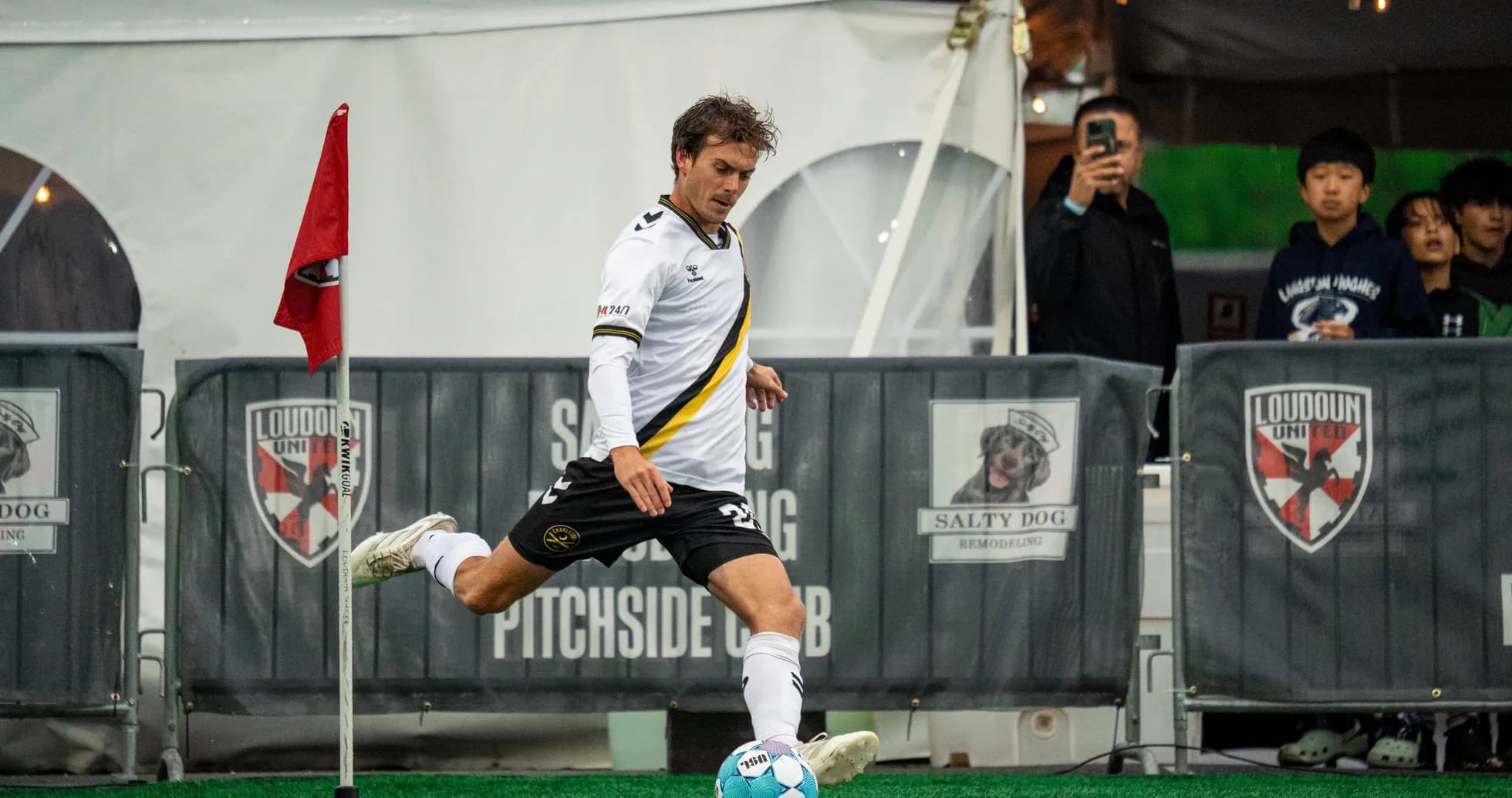
Oakland Roots and Miami FC: Tactical Stalemate in USL Championship
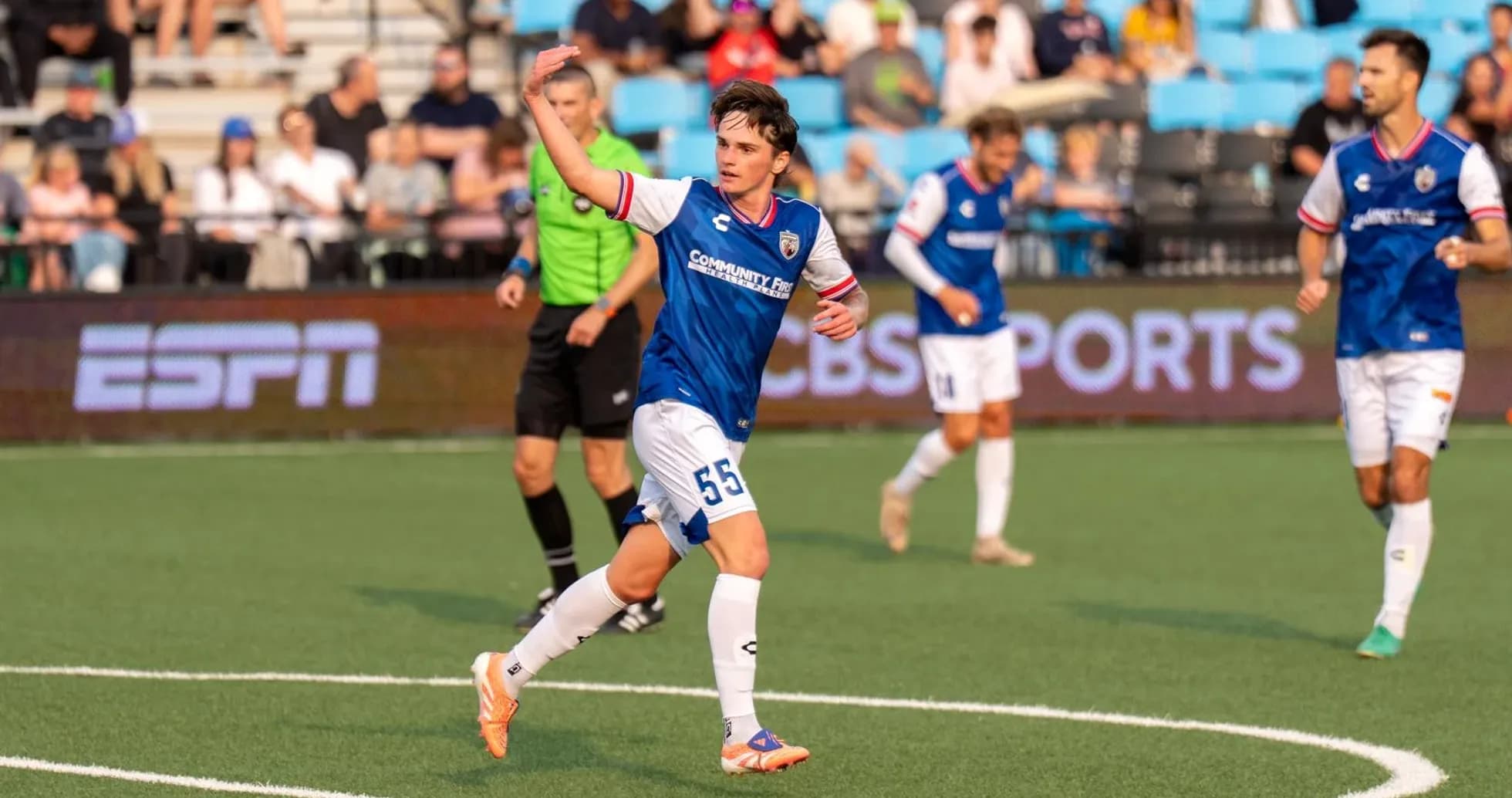
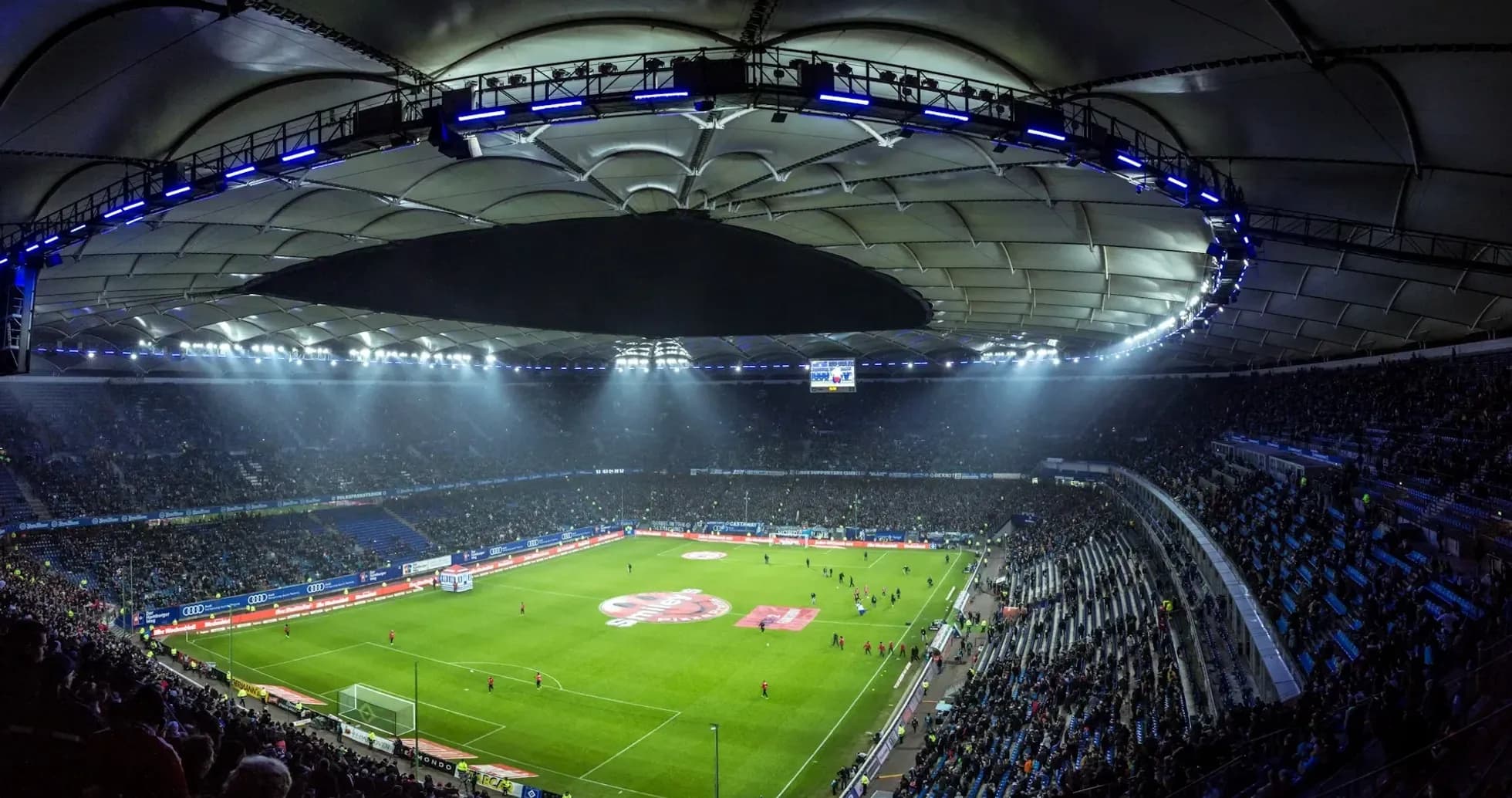
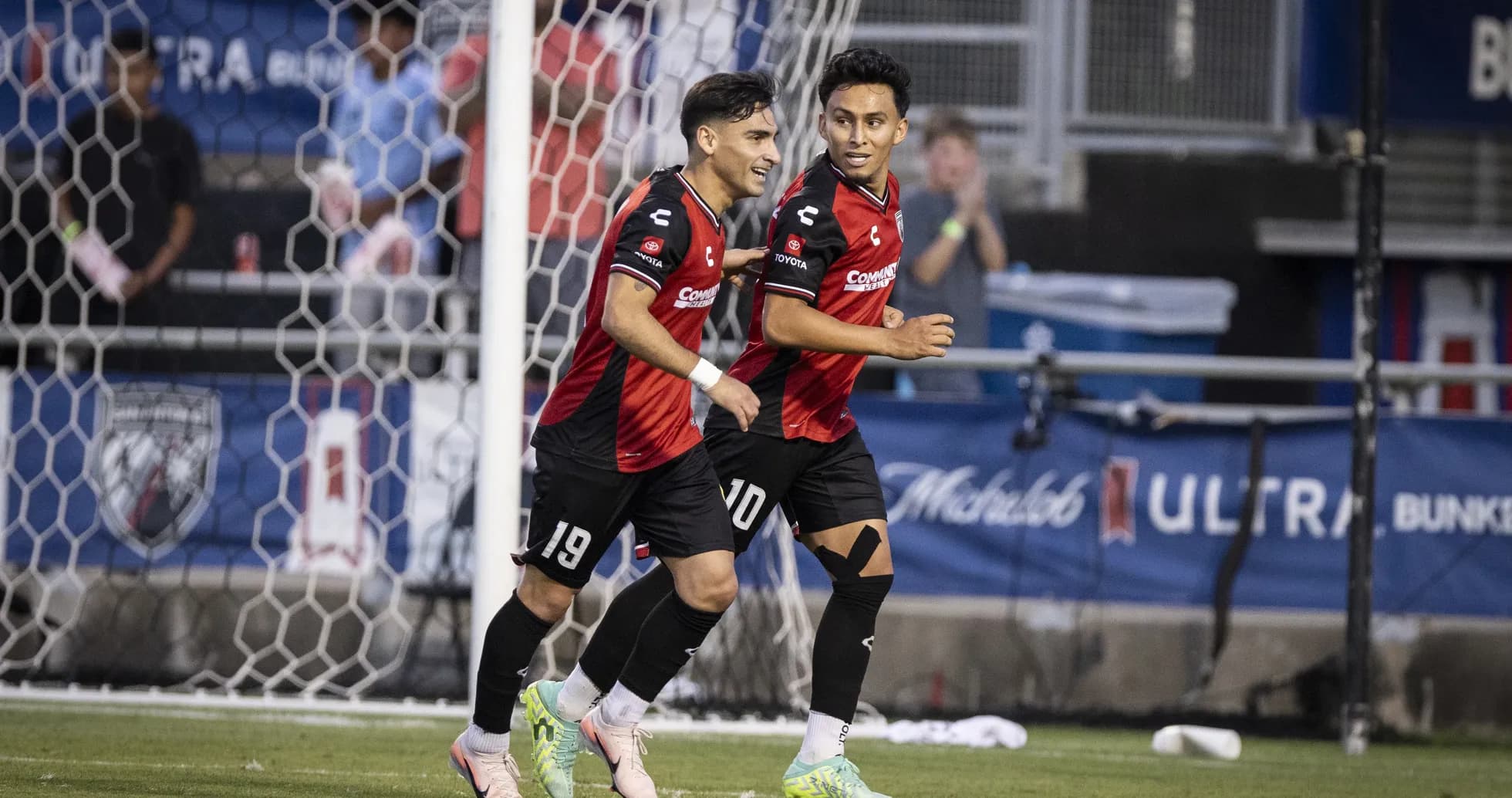
On a cool night at Laney College Football Stadium, Oakland Roots and Miami FC played out a goalless draw that felt more like a chess match than a stalemate. Following this result, both sides remain firmly in the USL Championship playoff picture, but the 0-0 under the lights also revealed plenty about their evolving identities and the tactical questions that will define their run-in.
I. The Big Picture – Two Playoff Contenders, One Stalemate
This was a Group Stage fixture in the USL Championship, with Oakland entering as one of the conference’s more balanced outfits. Overall this campaign they have taken 17 points from 12 matches, with a goal difference of 2 (18 scored, 16 conceded). At home, they have been solid rather than spectacular: 7 matches, 3 wins, 2 draws, 2 defeats, scoring 9 and conceding 7. Their seasonal DNA is that of a side that rarely blows teams away but is difficult to put away themselves, averaging 1.3 goals for and 1.0 goals against at home.
Miami FC arrived with the same points total but a very different statistical profile. Overall they have 17 points from 13 matches, with a goal difference of -4 (15 for, 19 against). Their away form has been dogged and pragmatic: 1 win, 4 draws, 3 losses from 8 on their travels, with just 6 goals scored and 10 conceded. The away average of 0.8 goals for and 1.3 against underlines a side that tends to throttle games down, leaning on structure and discipline rather than attacking volume.
The 0-0, then, was not an accident. It was the collision of Oakland’s controlled, possession-leaning approach with Miami’s low-scoring, away-day resilience.
II. Tactical Voids and Discipline – Edges Left Unclaimed
There were no listed absentees in the data, so both coaches – Ryan Martin for Oakland and Gaston Maddoni for Miami – had access to their full squads. Yet the voids were tactical rather than personnel-based.
For Oakland, the longstanding issue is their inconsistency in turning territory into goals. Overall this campaign they average 1.5 goals per match, but that is skewed by some high-output performances; they have also failed to score 3 times in total, with all 3 blanks coming at home. This fixture added another layer to that narrative: despite a technical midfield and plenty of ball-playing profiles, the final action was again missing.
Miami’s void is more structural in attack. Overall they average just 1.2 goals per match, and on their travels that drops to 0.8. They have failed to score 7 times overall, including 5 away. The clean sheets they collect – 5 in total this season, with 4 away – are earned through compactness but often at the cost of attacking risk. The 0-0 in Oakland fit perfectly into that pattern.
Disciplinary trends for both sides also shaped the tempo. Oakland’s yellow cards cluster heavily after the break, with 26.32% of their cautions arriving between 61-75 minutes and 21.05% in each of the 46-60, 76-90, and 91-105 ranges. Miami mirror that late intensity, with 25.64% of their yellows between 61-75 minutes and another 25.64% from 76-90. Both teams tend to grow more aggressive as matches stretch, and while individual bookings are not listed for this fixture, the underlying profile explains why the second half felt increasingly scrappy and attritional.
III. Key Matchups – Hunter vs Shield, Engine Room Battles
Without explicit scorer data, the “Hunter vs Shield” narrative becomes more collective than individual.
For Oakland, the forward line built around B. Jacquesson and the wide threat of W. Prentice had to find a way through a Miami defense that, for all its overall -4 goal difference, is notably stubborn away from home. On their travels, Miami concede 1.3 goals per match and have already kept 4 away clean sheets overall. The back unit led by D. Knutson and A. Calfo, protected by the screening presence of Tulu and R. Tori, once again managed to compress the central channels and force Oakland into lower-percentage wide deliveries and shots from distance.
In midfield, the “Engine Room” duel was fascinating. Oakland’s trio of F. Valot, F. Bettache, and B. Byaruhanga offers a blend of control and vertical passing. Their job was to unpick Miami’s compact central block, where T. Musto and A. Milesi anchor possession and screen in front of the back line. The match evolved into a series of small positional wins and losses: Valot drifting between lines, Bettache trying to accelerate combinations, Byaruhanga recycling and counter-pressing. Yet Miami’s structure held, with Musto and Tori repeatedly shutting down central lanes and forcing Oakland to circulate rather than penetrate.
On the other side, Miami’s attacking fulcrum J. Sonora needed to exploit any looseness in Oakland’s back unit. Overall, Oakland concede 1.3 goals per match, but at home that drops to 1.0, and they have kept 2 clean sheets overall. The defensive axis of K. Tingey, M. Edwards, and J. Bravo, shielded by T. McCabe, kept Sonora and M. Diallo largely at arm’s length. The lack of clear through-ball channels and the scarcity of runners beyond the last line meant Miami never really stretched Oakland’s defensive block.
IV. Statistical Prognosis – What This 0-0 Tells Us
From an Expected Goals perspective – even without raw xG numbers – the profiles of both teams suggest a low-xG affair. Miami’s away scoring average of 0.8, combined with Oakland’s home concessions of 1.0, points to a narrow margin of chances for the visitors. Conversely, Oakland’s 1.3 home goals-for average meeting Miami’s 1.3 away goals-against hints at a single-goal ceiling rather than a shootout.
Both teams are perfect from the spot overall this campaign, each converting 1 penalty from 1 taken, with no misses. That matters in tight contests like this; had a marginal decision gone either way in the box, the deadlock likely would have been broken.
Following this result, the broader tactical story is clear. Oakland remain a playoff-level side whose ceiling will be defined by their ability to solve compact, away-minded defenses. Miami, meanwhile, continue to be an archetypal road spoiler: hard to break down, dangerous enough in moments, but still searching for a more assertive attacking identity.
If these two meet again in the USL Championship 1/8-finals, expect another razor-thin margin – and a tie where one individual action, rather than a torrent of chances, is likely to decide the narrative.