New Mexico United vs Orange County SC: A Tactical Draw Analysis
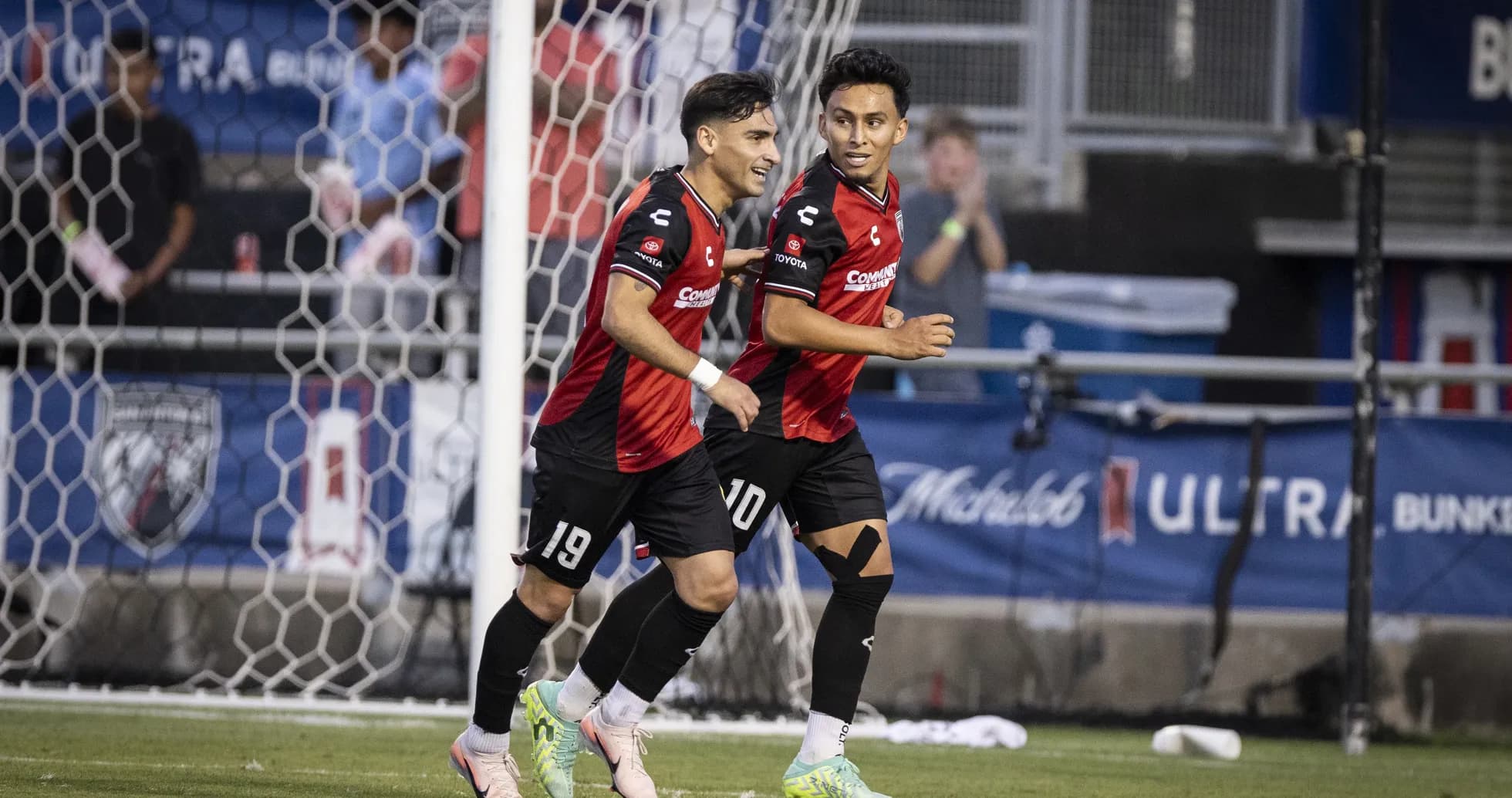
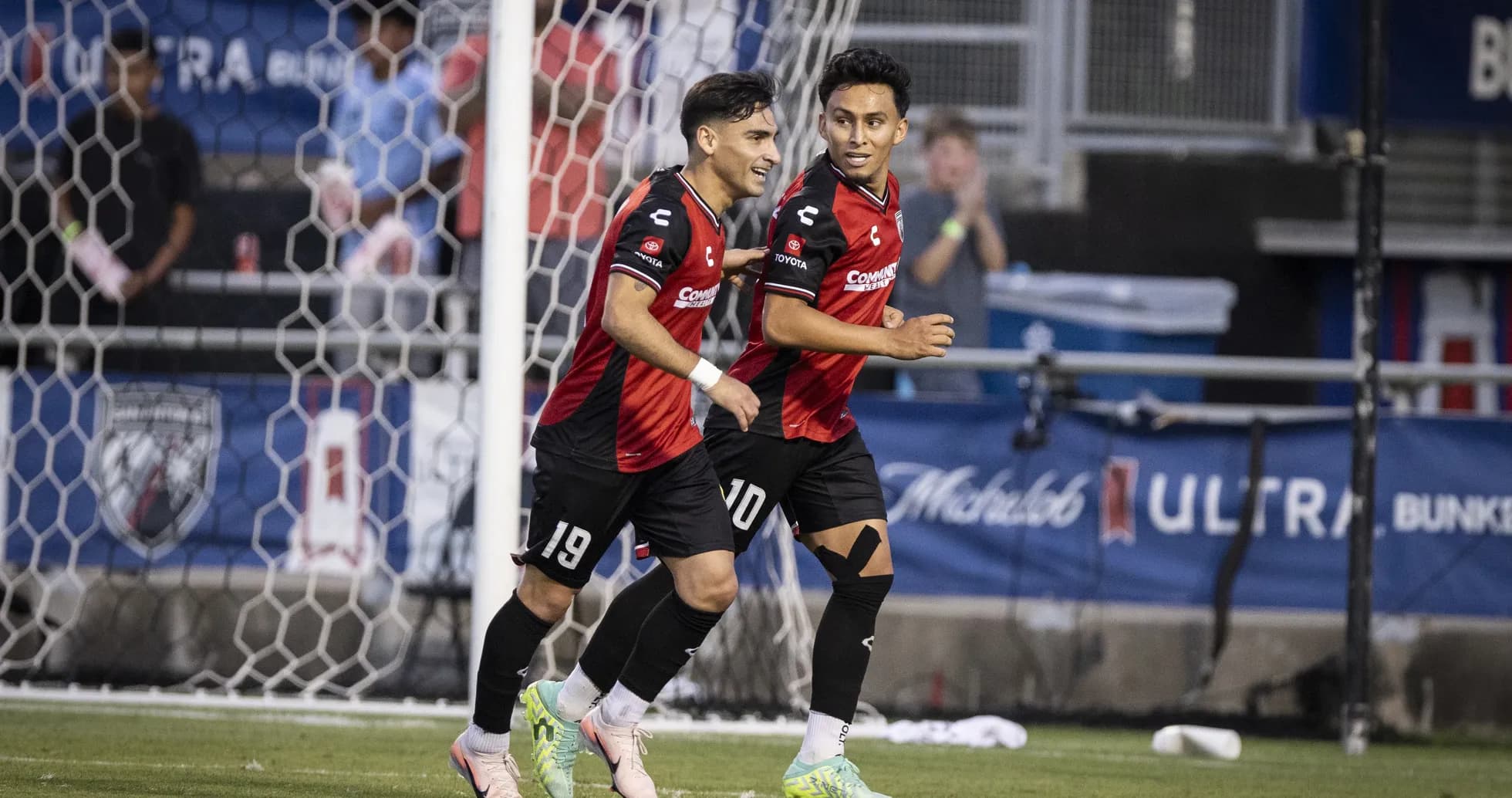
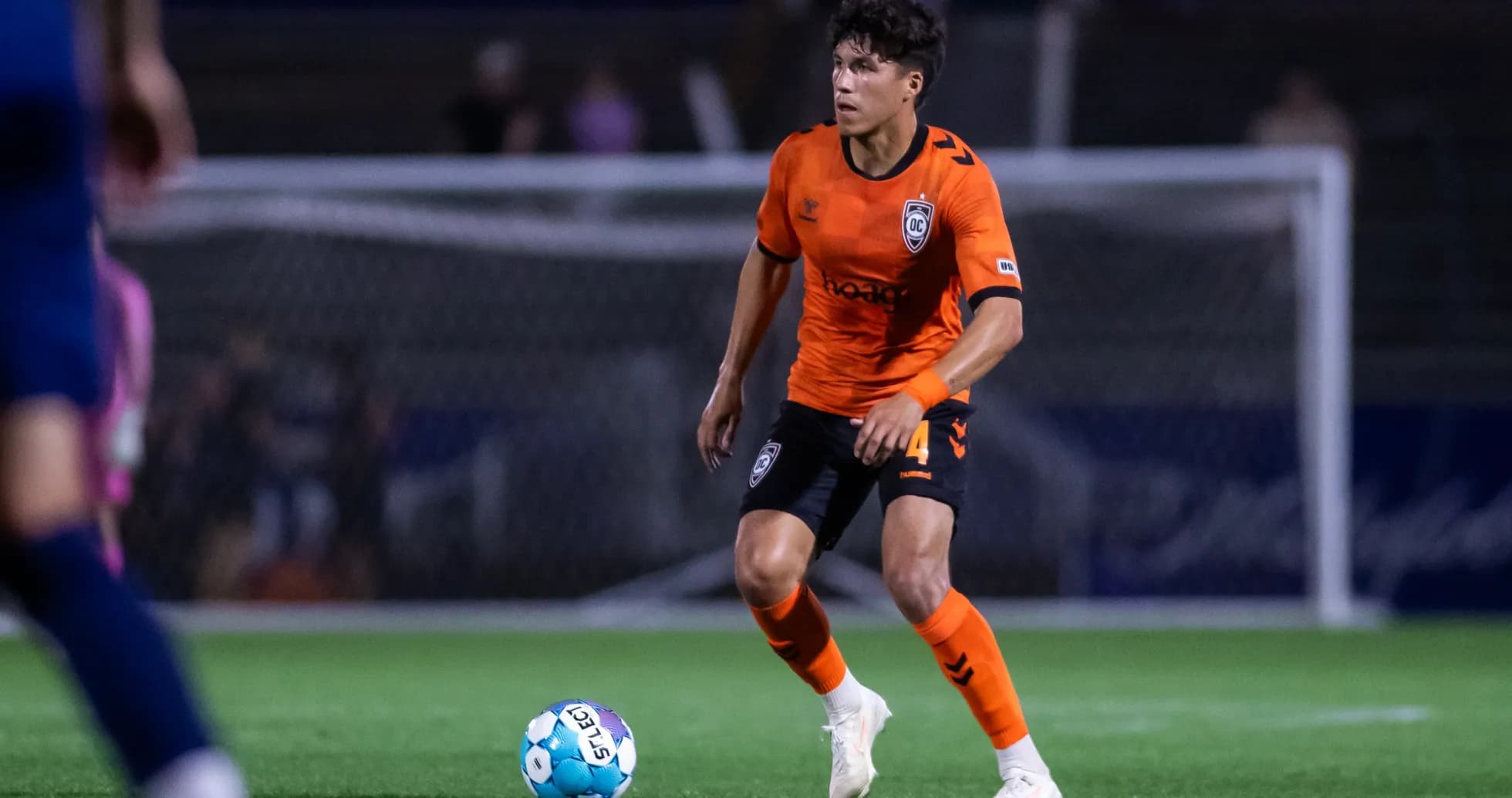
Under the Albuquerque lights at Rio Grande Credit Union Field at Isotopes Park, New Mexico United and Orange County SC shared more than just a 1–1 scoreline. They shared a statement about where each club stands in the 2026 USL Championship campaign and what this draw means for the tactical road ahead.
Following this result, the table tells a nuanced story. New Mexico United sit 9th in USL 1 with 15 points and a goal difference of -1, shaped by 12 goals for and 13 against overall. At home they have been far more assertive: 3 wins, 2 draws, 1 defeat, with 10 goals scored and 7 conceded. Orange County SC, meanwhile, occupy 2nd with 20 points and a goal difference of 4, built from 15 goals for and 11 against overall. On their travels they have 2 wins, 3 draws, 1 loss, scoring 8 and conceding 7. This was very much a clash between a strong home side and one of the league’s most balanced travelers.
I. The Big Picture – Two Identities Colliding
New Mexico’s seasonal DNA is clear. Overall they average 1.1 goals for and 1.2 against per match, but that split is stark by venue. At home they score 1.7 and concede 1.2 on average, a profile of a front-foot, risk-tolerant side that leans heavily on the energy of their own crowd. Away, they drop to 0.4 goals for, a reminder that this squad is still being built to dominate in Albuquerque first.
Orange County’s identity is more even and controlled. Overall they average 1.3 goals for and only 0.9 against, with a defensive base that travels well: on their travels they score 1.3 and concede 1.2. They are hard to beat, as 5 draws from 12 overall fixtures underline, and their goal difference of 4 is the product of cumulative marginal gains rather than wild swings.
In that context, a 1–1 draw, with both goals arriving before the interval, felt like a synthesis of those identities: New Mexico’s aggressive home posture versus Orange County’s capacity to absorb and respond.
II. Tactical Voids and Discipline – Where Edges Were Gained and Lost
There were no listed absentees in the data, so both coaches, Dennis Sanchez and Danny Stone, had the luxury of their full squads. That makes the selection choices even more revealing.
Sanchez leaned into technical control and vertical threat. The spine of K. Shakes, K. Keller, N. Hamalainen and C. Gloster provided a platform, with G. Zelalem and Z. Bailey as ball carriers and connectors. Ahead of them, N. Reid-Stephen, O. Jabang, D. Harris and G. Hurst formed an attacking band designed to stretch and disrupt Orange County’s compact block.
Stone responded with structural discipline. A. Rando anchored the back line, shielded by G. Doody, T. Brewitt, G. Tubbs and R. Doghman. In midfield, the trio of L. MacKinnon, N. Benalcazar and S. Kelly offered legs and balance, while C. Hegardt and O. Sylla supported Y. Bazini in attack. It was a shape that could flip between a 4‑3‑3 and a 4‑5‑1 without substitutions.
Discipline has been a season-long subplot for both clubs. New Mexico’s yellow-card profile shows a spread of aggression through the middle and late phases: 20.00% of their yellows arrive between 31–45 minutes, 22.86% between 61–75, and another 20.00% from 76–90. This is a team that plays on the edge as halves reach their most chaotic phases.
Orange County, by contrast, save their spikiness for the final stretch. Only 4.76% of their yellows come in each of the 0–15, 16–30 and 46–60 windows, but 28.57% arrive from 61–75 and a striking 38.10% between 76–90. Their single red card this season has also come in the 76–90 window, underlining that their late-game intensity can spill over. In a knockout environment—such as the 1/8-final playoff scenario their current description points towards—that late volatility will be a critical risk factor.
III. Key Matchups – Hunter vs Shield, Engine Room vs Enforcer
Without individual scoring charts, the “hunter vs shield” battle is best read through unit profiles. New Mexico’s home attack, averaging 1.7 goals, ran into an Orange County away defense conceding 1.2. The first half’s 1–1 score reflected that balance: New Mexico’s front line, led by the movement of G. Hurst and the wide work of N. Reid-Stephen and O. Jabang, managed to disrupt Orange County’s back four, but not break them repeatedly.
The “engine room” duel was perhaps the most decisive. Zelalem and Bailey for New Mexico are natural rhythm-setters; they want the ball, want to play between lines, and use short passing to sustain pressure. Up against them, Benalcazar and Kelly functioned as Orange County’s enforcers, tasked with compressing space and forcing play wide. The result was a midfield battle that never fully tilted either way, but Orange County’s overall defensive record—only 11 goals conceded in total across 12 matches—suggests they again managed to keep central spaces relatively secure.
On the flanks, Hamalainen and Gloster’s willingness to step high from the back line was key to New Mexico’s territorial dominance at home. For Orange County, Doody and Doghman had to walk a tightrope: join attacks enough to support Hegardt and Sylla, yet not leave Brewitt and Tubbs exposed to transitions. The fact that New Mexico, who usually average 1.7 at home, were held to just 1 here is a quiet win for that Orange County back unit.
IV. Statistical Prognosis – What This Draw Tells Us About the Road Ahead
From an Expected Goals lens—though exact xG values are not provided—the profiles hint at parity on the night. New Mexico’s strong home scoring rate colliding with Orange County’s stingy overall defense naturally converges around the 1‑goal mark each, and the 1–1 full-time score feels statistically coherent.
Looking forward, New Mexico can take heart from extending their solid home record: 3 wins, 2 draws and only 1 defeat at Isotopes Park is the bedrock of any playoff push. Their challenge is to sharpen that home attack just enough to turn balanced games like this into 2–1 wins, without inflating the 1.2 goals conceded at home.
For Orange County, this result reinforces their identity as one of the division’s most reliable travelers. On their travels they now have 2 wins, 3 draws and only 1 loss, with 8 scored and 7 conceded, and they remain on course for the promotion playoff picture that their current 2nd-place standing and description suggest. The key refinement will be managing that late-game disciplinary spike—38.10% of yellows and their only red arriving between 76–90 is too great a risk in tight, high-stakes matches.
In narrative terms, this was less a climax and more a chapter marker. New Mexico proved they can go toe-to-toe with a top‑two side at home. Orange County proved that their defensive structure and traveling resilience can withstand one of the league’s more potent home attacks. When the postseason picture crystallizes, this 1–1 may read as the night both sides quietly confirmed they belong in that conversation.