
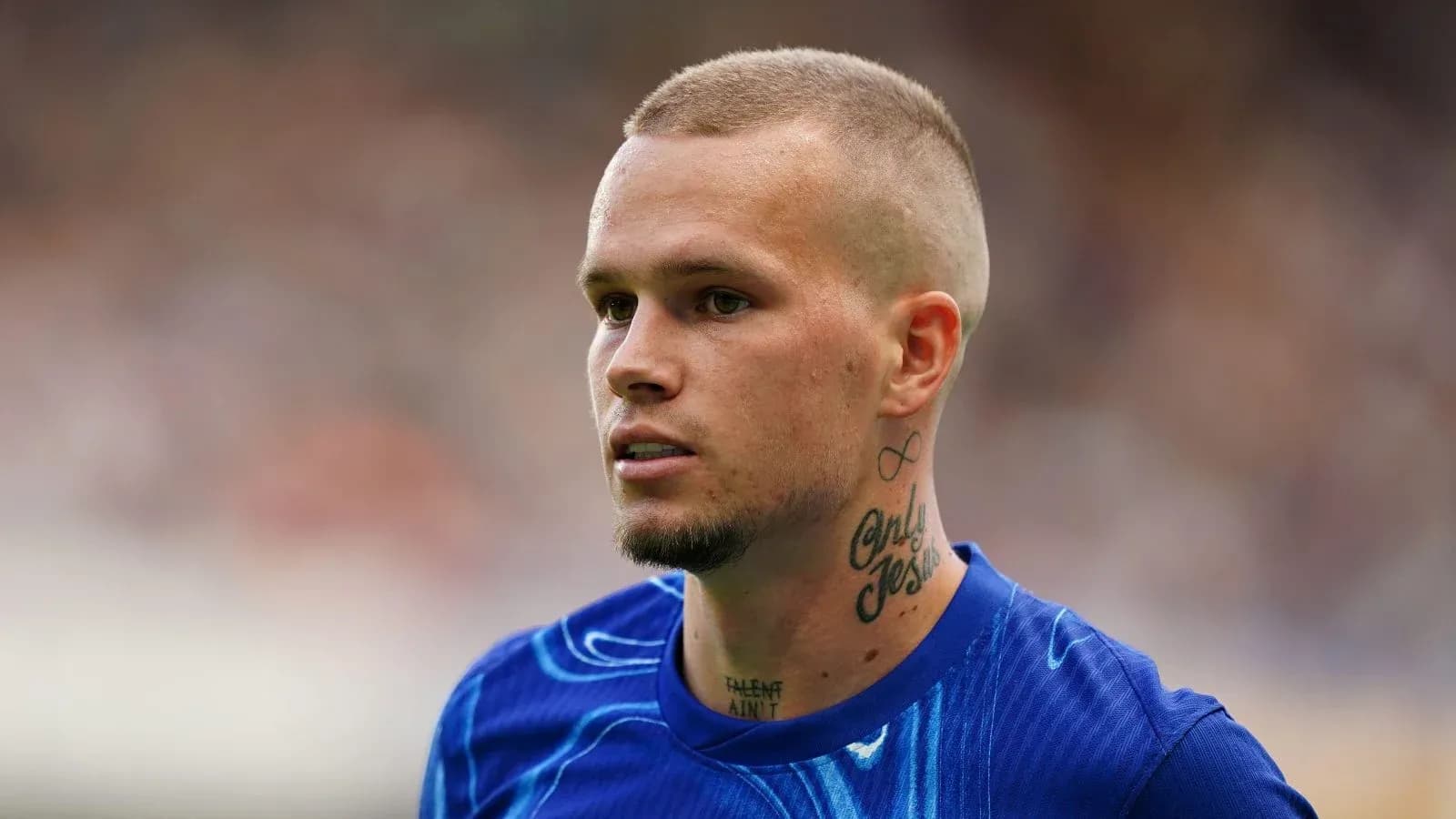
Mykhailo Mudryk Cleared to Play as FA Ends Doping Case
Mykhailo Mudryk’s exile is over. The Chelsea winger can return to football immediately after the English FA brought his anti-doping case to a close in agreement with the World Anti-Doping Agency (WADA), ending one of the most turbulent chapters of his young career.
The 25-year-old had been staring at a four-year ban, handed down in April after an adverse analytical finding from an anti-doping test taken in October 2024. He challenged that decision at the Court of Arbitration for Sport, refusing to accept that his career should effectively be halted in its prime.
Now, that appeal has led to a very different outcome.
Agreement reached – and a crucial technical change
On Thursday, the FA confirmed that Mudryk, WADA and the governing body had reached an agreement to resolve the appeal. In that deal, Mudryk accepted that he had committed the Anti-Doping Rule Violations (ADRVs) he was charged with and agreed to a period of ineligibility equal only to the time he has already served.
In other words, his ban is over.
The key twist lies not in a dramatic new piece of evidence, but in the rulebook itself. The FA acknowledged that under WADA’s current technical document, Mudryk’s test would not have triggered an adverse finding at all.
“If Mr Mudryk’s sample was collected today, the concentration of meldonium in the sample would not have been reported and no ADRVs would have resulted,” the FA said. The substance at the heart of the case is now treated differently by anti-doping authorities than it was when Mudryk tested positive.
The regulations moved. His career can now move with them.
Mudryk: “Most difficult period of my career”
Mudryk has kept a relatively low profile during the process. When the verdict finally shifted in his favour, the tone of his response carried the weight of the months he has lost.
He described the suspension as the most difficult spell he has faced in football.
“I am grateful that this process has reached a conclusion, that I have been cleared to return to football and that I can now look ahead to my future,” he said in a statement.
He again stressed his stance on intent.
“As I have always maintained from the outset of this case, I have never knowingly or intentionally taken any banned substance. My commitment to competing fairly and representing my club and country with professionalism and integrity has always been important to me.”
There was no victory lap in his words, just relief and a determination to move on.
Chelsea stand by their winger
Inside Chelsea, Mudryk has not been treated as an outcast. The club have backed him throughout the ordeal and moved quickly to welcome the decision that frees him to play again.
“We know how much this opportunity to return means to him,” the club said, underlining the personal toll of the months spent away from competition.
“Everyone at the club now looks forward to helping Misha return to full fitness, back into the squad and back onto the pitch.”
For Chelsea, this is not just a legal resolution. It is the return of a high‑profile, high‑potential attacker to a squad that needs cutting edge and depth across a long season.
A comeback with a deadline
There is no gentle runway here. Chelsea’s Premier League campaign starts on August 24, away at west London rivals Fulham. The clock is already ticking on Mudryk’s reintegration: fitness to rebuild, sharpness to find, trust to re-establish on the pitch.
He comes back older, perhaps a little hardened, with a major controversy already behind him. The question now is not what happened in a laboratory last October, but what kind of player emerges from the other side of this saga when the whistle blows at Craven Cottage.





