Monterrey vs Atletico San Luis: Tactical Contrast in Liga MX
Under the lights of Estadio BBVA, this Apertura - 6 clash between Monterrey and Atletico San Luis unfolded as a study in contrast: one side leaning into attacking excess, the other into structural discipline. By full time, the scoreboard read 3-1 to Atletico San Luis, a result that cut against Monterrey’s usual home dominance and underlined the visitors’ growing tactical maturity.
I. The Big Picture – Form, Rank, and Identity Clashing
Heading into this game, Monterrey were ninth in Liga MX with 9 points from 6 matches, their overall goal difference a positive 3, built from 13 goals scored and 10 conceded. At home they had been a whirlwind: 10 goals in 3 matches, an average of 3.3 per game at Estadio BBVA, balanced by 6 conceded at 2.0 per home match. This is a side whose seasonal DNA is clear: front-foot, high-risk football that can overwhelm or implode, often in the same week.
Atletico San Luis arrived in Monterrey in 13th place with 6 points from 6, their overall goal difference -2 (8 scored, 10 conceded). On their travels they had been competitive: 5 away goals in 3 outings, an average of 1.7 per away game, but leaking 6 at the other end (2.0 away conceded). They are not passive travellers; they carry a threat, but typically live on the edge defensively.
The match itself confirmed those patterns in an unexpected direction. Monterrey’s 4-2-3-1 under Matias Almeyda was built to impose, while Raul Chabrand’s Atletico San Luis lined up in a compact 5-4-1 designed to absorb and spring. The visitors’ two-goal lead by half time (0-2) was not just a scoreline; it was a tactical verdict on the opening 45 minutes.
II. Tactical Voids – Discipline, Risk, and the Invisible Absences
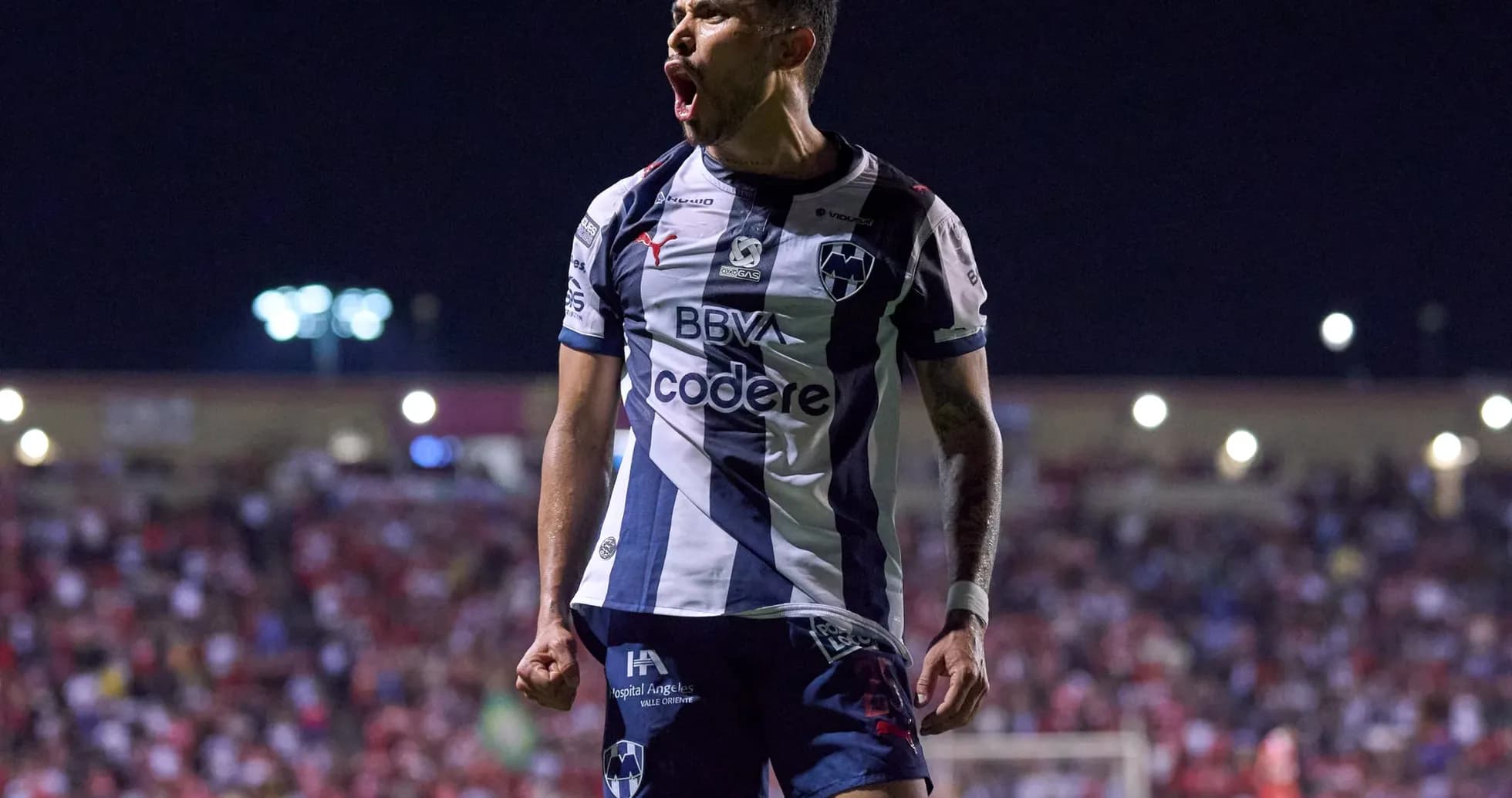
The most striking absence for Monterrey was not a missing name, but an absent reference point: Lucas Ocampos, the league’s second-ranked performer in the scoring charts with 5 goals and 1 assist overall, is nowhere in this specific lineup. Almeyda instead built his attack around Uroš Đurđević as the lone forward, with Luca Orellano, Roberto de la Rosa, and Omar Galvez forming the band of three behind him. Without Ocampos’ vertical surges and penalty-box aggression (he has scored 2 penalties overall this season, with no misses), Monterrey’s attack lost its most ruthless edge.
In midfield, Fidel Ambríz and Iker Fimbres formed a double pivot that had to both protect and progress. Behind them, Carlos Salcedo anchored a back four with Érick Aguirre, Jorge Rodríguez, and Luis Reyes. Salcedo, already a disciplinary flashpoint this season with 2 yellow cards and 1 red overall, embodies Monterrey’s defensive edge: aggressive, front-foot, but always flirting with the line.
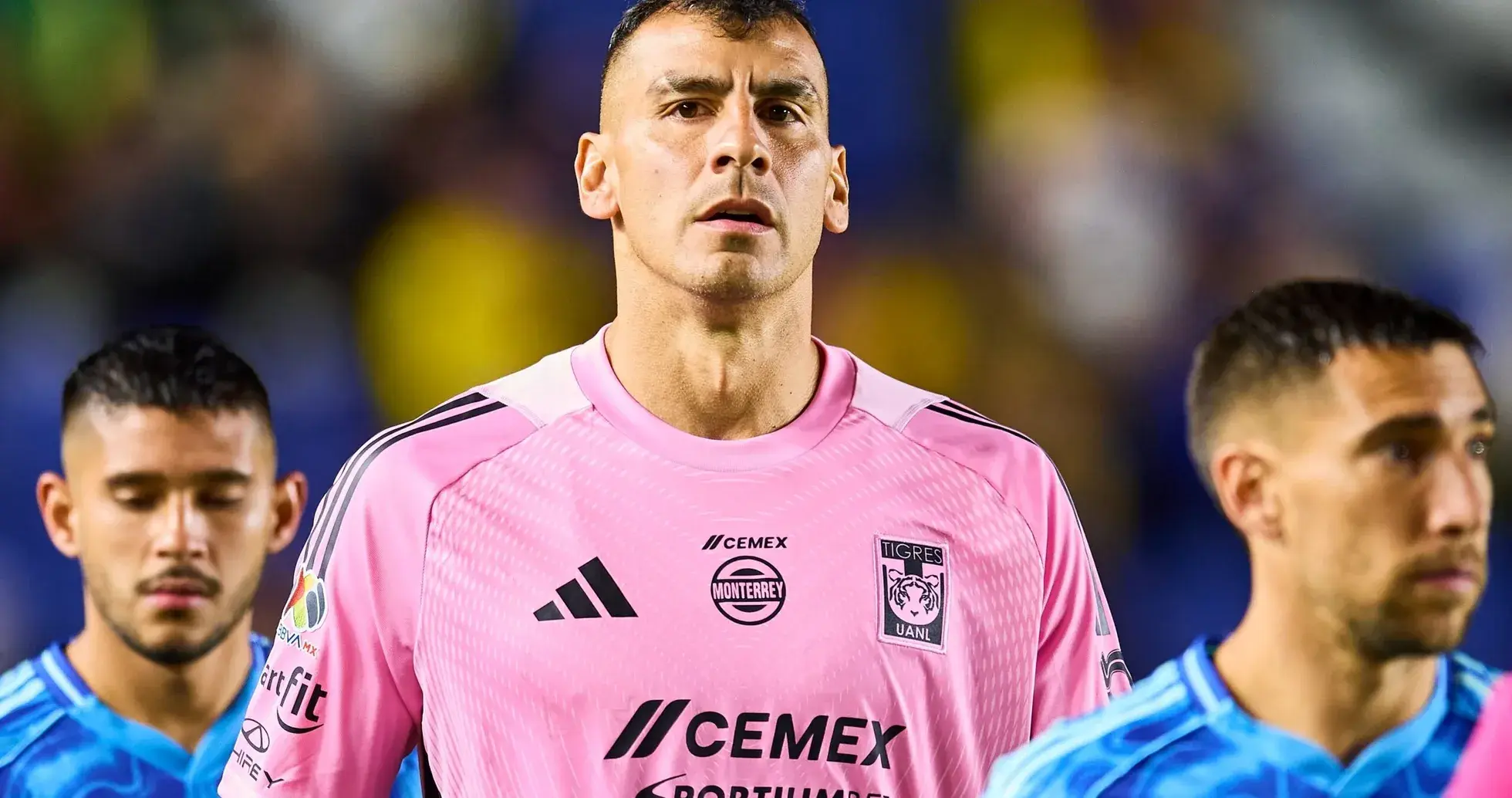
Atletico San Luis, by contrast, leaned heavily into structure. A back five of Anderson Duarte, Eduardo Águila, Miguel García Álvarez, Robson Bambu, and Román Torres shielded goalkeeper Andrés Sánchez. In front of them, a flat but mobile midfield of Sébastien Salles-Lamonge, Oscar Macías, Johan Caicedo, and David Rodriguez supported Rafa Llorente up front.
Robson Bambu’s presence at the heart of that line is pivotal. He comes into this fixture as one of the league’s most card-prone defenders, with 3 yellow cards and a yellow-red overall, yet he also brings 3 successful blocks and 4 interceptions. He is both risk and remedy, and in a 5-4-1 that is exactly the kind of defender you live with.
Disciplinary trends for both teams shaped the emotional tone. Monterrey’s season-long card distribution shows a spike in yellow cards between 31-45 minutes (42.86%) and again from 76-90 (28.57%), with red cards appearing early (16-30) and deep into stoppage time (91-105). Atletico San Luis, meanwhile, front-load their aggression: 25.00% of their yellows arrive in the opening 15 minutes, and another 37.50% between 46-60, with a red card also in that 46-60 window. This is a fixture primed for flashpoints around half-time and the restart.
III. Key Matchups – Hunter vs Shield, Engine Room vs Enforcer
Without Ocampos on the pitch, Monterrey’s “Hunter vs Shield” dynamic shifted. The scoring load was more diffusely shared among Đurđević and the creative trio. Yet the broader offensive profile remained: overall this campaign Monterrey average 2.2 goals per match, with a strong surge between 16-30 minutes (30.77% of their goals) and a secondary wave between 61-75 (23.08%).
Atletico San Luis’ defensive minute profile intersected intriguingly with that. Overall this season they concede most heavily between 61-75 minutes (30.00%) and 46-60 (20.00%), with another 20.00% in the 76-90 range. The obvious pre-match script: Monterrey’s second-half surges should have found joy against a San Luis back line that tends to fray after the interval.
Instead, Atletico San Luis flipped the narrative by striking early and often enough to own the first half. Monterrey’s own defensive vulnerabilities between 31-45 minutes (30.00% of their goals conceded overall) and again in the 76-90 window (another 30.00%) were ruthlessly targeted by a San Luis side whose attacking peaks come between 31-45 (25.00%), 46-60 (25.00%), and especially 76-90 (37.50%). The critical intersection was clear: San Luis’ late-game surge met Monterrey’s late-game frailty head-on.
In the engine room, Ambríz and Fimbres faced a crowded San Luis midfield. Salles-Lamonge’s technical craft and Macías’ work rate allowed Chabrand’s side to escape pressure and connect to Llorente. From the bench, Leonardo Flores loomed as a key creative weapon; overall this season he has 2 assists, 4 key passes, and a willingness to drive at defenders (4 dribble attempts, 2 successful). His introduction gave San Luis a transitional outlet when Monterrey pushed numbers forward.
At the back, Salcedo’s duel with Llorente and the late-arriving midfielders was central. Salcedo’s 2 successful blocks and 6 interceptions overall speak to his reading of the game, but his disciplinary record meant every aggressive step into midfield was a calculated gamble.
IV. Statistical Prognosis – xG Proxy and Defensive Solidity
Even without explicit xG values, the season data offers a clear probabilistic frame. Monterrey, with 13 goals from 6 overall and a high volume of home scoring, are built to generate chances in waves, particularly in the first half-hour and the final quarter-hour. Their lack of clean sheets at home (0 so far this campaign) and an overall average of 1.7 goals conceded per match, however, always leave the door open.
Atletico San Luis, averaging 1.3 goals scored and 1.7 conceded overall, typically live in tight margins. Their away profile—1.7 goals scored and 2.0 conceded per game on their travels—suggests open, chance-heavy contests rather than sterile stalemates.
In that light, a 3-1 away win is an extreme but not illogical outcome: San Luis maximized their attacking peaks exactly where Monterrey are most vulnerable, while their five-man back line, marshalled by Bambu and protected by a compact midfield, did just enough to blunt a Monterrey attack missing its most prolific weapon in Ocampos.
Following this result, the narrative around both squads shifts. Monterrey’s attacking firepower remains unquestioned, but their structural fragility—especially around the half-time break and in the closing stages—now demands tactical recalibration. Atletico San Luis, meanwhile, leave Estadio BBVA with more than three points; they depart with a template for how their 5-4-1 can suffocate and then strike against one of the league’s most explosive home sides.