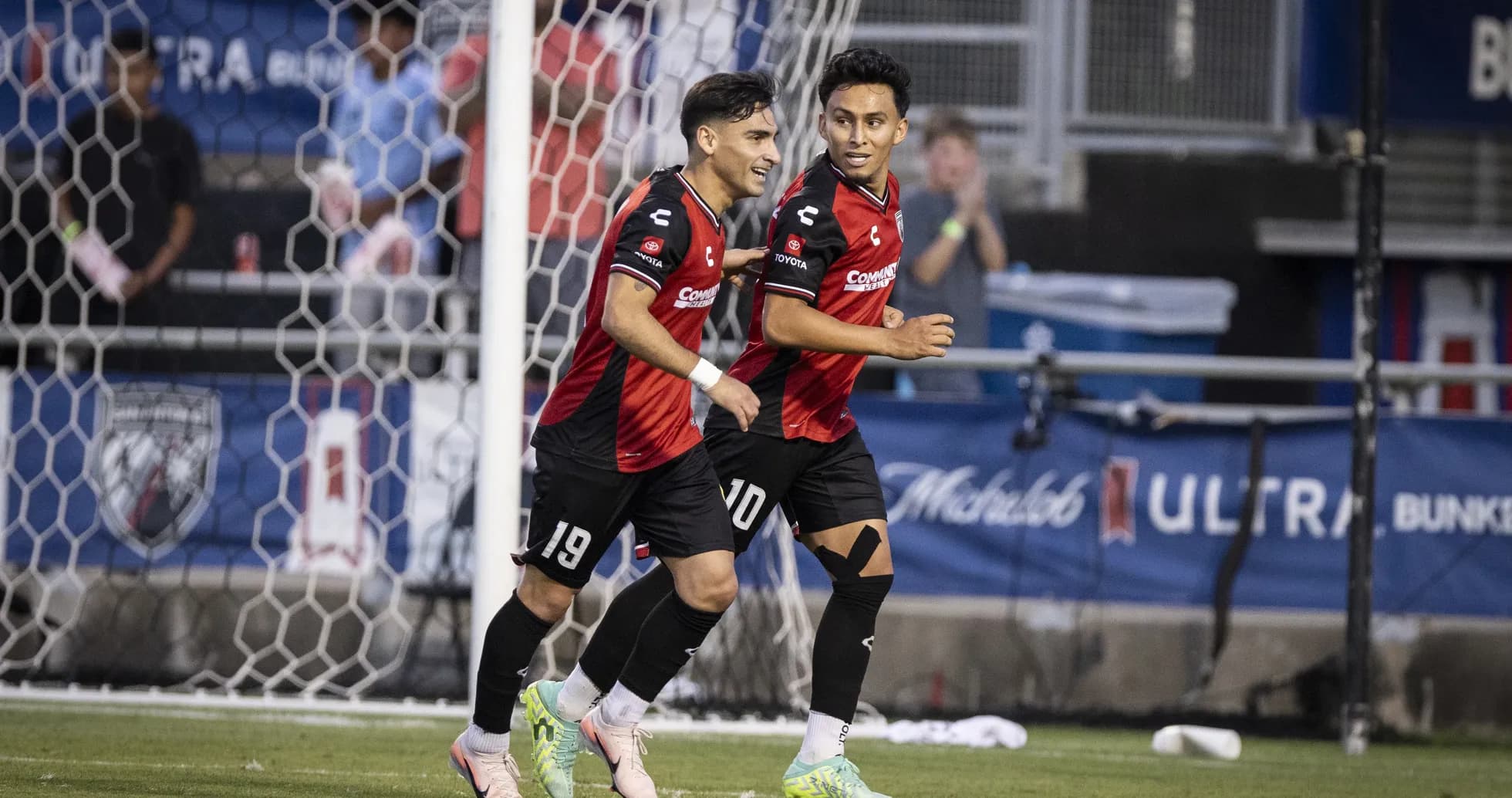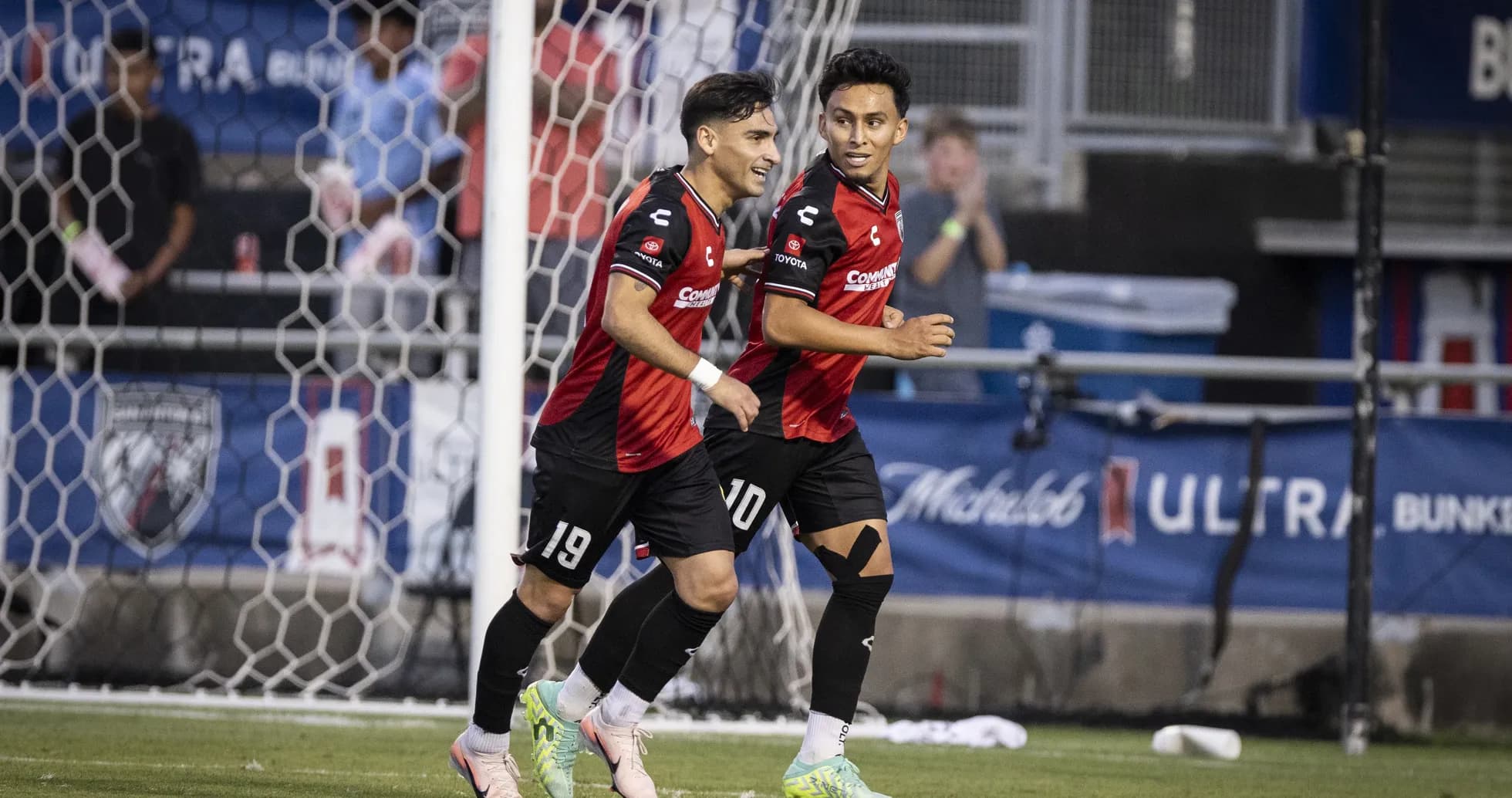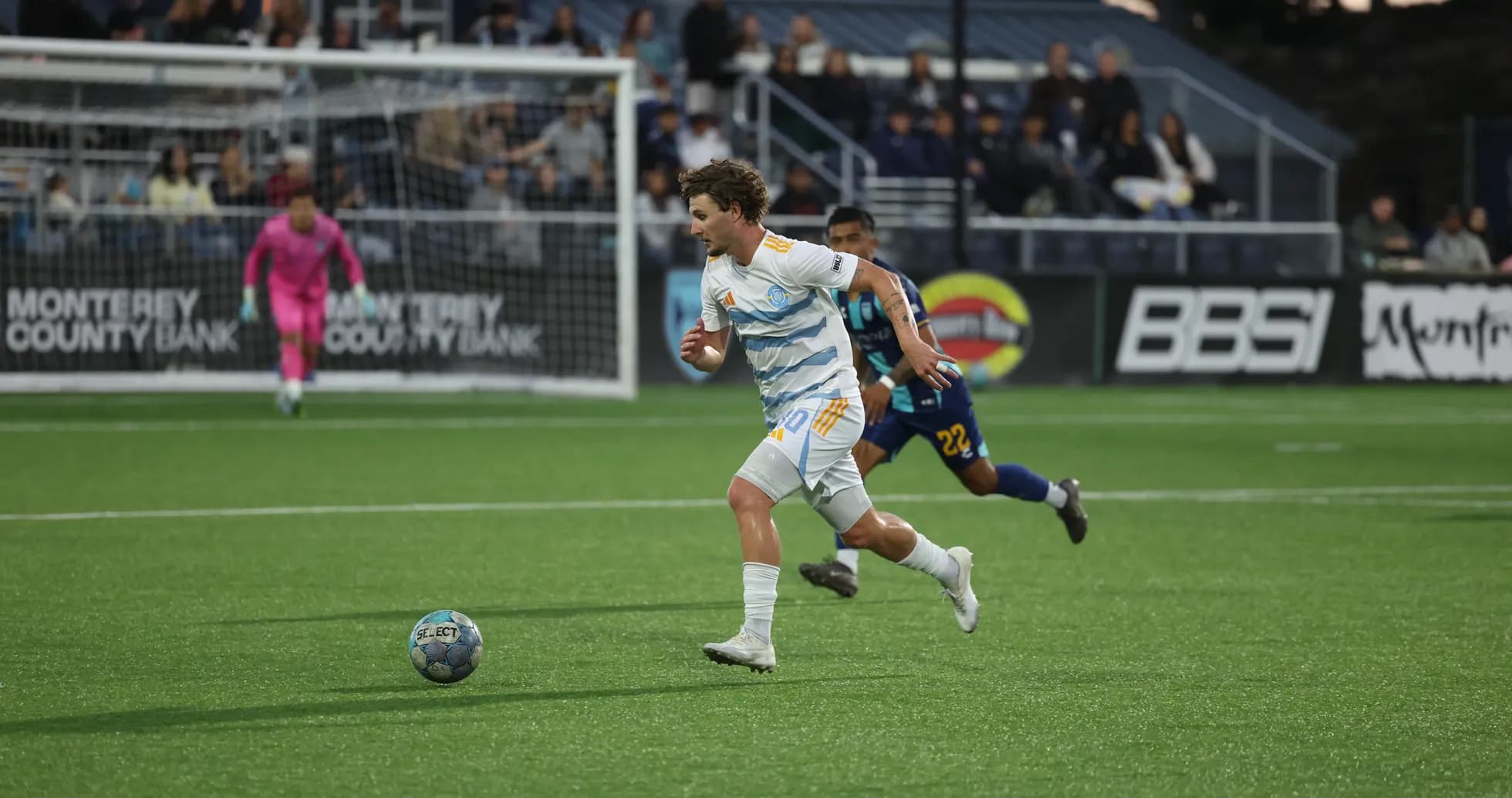
Monterey Bay Edges Sporting JAX 2–1 in USL Championship Clash
On a cool night at Cardinale Stadium, Monterey Bay edged Sporting JAX 2–1, a result that felt less like a single match and more like a pivot point in the early narrative of their USL Championship season. Following this result, the table tells a stark story: Monterey Bay sitting 12th in USL 1 with 11 points and a goal difference of -7, Sporting JAX just behind in 13th on 3 points with a goal difference of -15. Both sides came in with fragile form, but only one left with a sense of upward momentum.
Monterey Bay’s season-long profile had been contradictory: at home they had been competitive, with 3 wins from 7 and 9 goals scored at an average of 1.3 per game, yet their overall record across 12 fixtures was only 3 wins, 2 draws, and 7 defeats. The defensive record mirrored that inconsistency—8 goals conceded at home at an average of 1.1 per match, but 20 overall, dragged up by away frailties. Cardinale Stadium, though, has started to look like a refuge, and this 2–1 win fit the pattern of a side that is far more assured in front of its own supporters.
Sporting JAX arrived as a team still searching for their first win after 12 matches, with 0 victories, 3 draws, and 9 losses. On their travels they had been particularly vulnerable: 1 draw and 6 defeats from 7 away games, scoring 5 and conceding 14 at an average of 0.7 goals for and 2.0 against. Their total defensive record of 28 goals conceded—2.3 per match—framed this as a contest where Monterey Bay’s intermittent attack might finally find rhythm.
Tactically, Monterey Bay’s lineup under Alex Covelo offered clues without the comfort of a listed formation. J. Jackson, wearing 98, anchored the side, with a defensive backbone likely built around N. Gordon and Z. Farnsworth. The wide lanes and transitional threat were hinted at through O. Glasgow and the energetic pairing of I. Paul and C. Nadje. In the final third, R. Bidois carried the striking burden, supported by the experience and composure of S. Lletget and the industry of N. Ross.
Sporting JAX’s structure looked more orthodox but no less experimental. C. Olivares in goal stood behind a back line featuring H. Neville, W. Ackwei, A. Gomez, and E. Rito, a unit that has struggled to keep clean sheets—none in 12 fixtures, home or away. In midfield, the blend of R. Somersall and J. Rossiter suggested a double pivot, with T. Rose and R. Pedder offering width and running, while K. Sadlier and E. Jaaskelainen provided the attacking edge. Yet the season’s numbers painted them as a side that could score—13 goals overall at an average of 1.1 per game—but rarely control games for long enough to protect themselves.
The disciplinary profiles of both teams hinted at how the contest might tilt in the closing stages. Monterey Bay’s yellow-card distribution is heavily back-loaded: 28.57% of their cautions arrive between 61–75 minutes, and 25.71% between 76–90. Sporting JAX, meanwhile, see 29.03% of their yellows in the final 15 minutes of regulation, with red cards split between 16–30 minutes (50.00% of their reds) and 76–90 (the other 50.00%). This is the statistical outline of two teams that fray at the edges as fatigue and pressure mount. In a tight game like this 2–1, the final quarter-hour was always likely to be a tangle of tactical fouls and stretched lines.
The “Hunter vs Shield” dynamic leaned subtly toward Monterey Bay. At home they average 1.3 goals scored, and they came up against a Sporting JAX back line that, on their travels, concedes 2.0 goals per match and has already absorbed a heaviest away defeat of 4–0. Monterey Bay’s own worst home loss—a 0–3—showed they are not immune to collapse, but the balance of probability at Cardinale Stadium always favored their front line. Bidois’s role as the central reference point, flanked by the mobility of Nadje and the craft of Lletget, was precisely the kind of trio that could pry open a defense that has yet to find a settled, confident shape.
In the “Engine Room,” the battle between creators and spoilers had a decisive feel. Lletget’s ability to dictate tempo and connect phases gave Monterey Bay a passing hub, while the likes of Ross and Nakamura added legs and verticality. For Sporting JAX, Somersall and Rossiter were tasked with disrupting that rhythm, screening the back four, and launching transitions toward Sadlier and Jaaskelainen. But the broader season context—JAX’s inability to protect leads or even parity, reflected in 9 defeats from 12—suggests their midfield screen has too often been porous rather than authoritative.
From a statistical prognosis perspective, Monterey Bay’s 2–1 win aligns almost perfectly with the expected contours. At home they are a 1–2 goal side; Sporting JAX away are almost guaranteed to concede at least twice. Monterey Bay’s total goal difference of -7 and Sporting JAX’s -15 underline that neither side is defensively complete, but Monterey’s more balanced home record—9 scored, 8 conceded—offered just enough solidity to make a narrow victory the likeliest outcome.
If we overlay xG logic onto the available numbers, the pattern is clear: a home side that typically generates a bit more than a goal’s worth of chances and converts enough of them, against an away side that habitually allows high-quality opportunities and lacks the structure to resist sustained pressure. The 2–1 scoreline reflects a Monterey Bay team still flawed but increasingly self-assured at Cardinale Stadium, and a Sporting JAX side whose search for a first win continues to be undermined by familiar defensive frailties and late-game indiscipline.