Michael Edwards Leaves Liverpool: A Shift in Power
Michael Edwards’ second Liverpool chapter is over – and this time, it ends with a power shift rather than a parade.
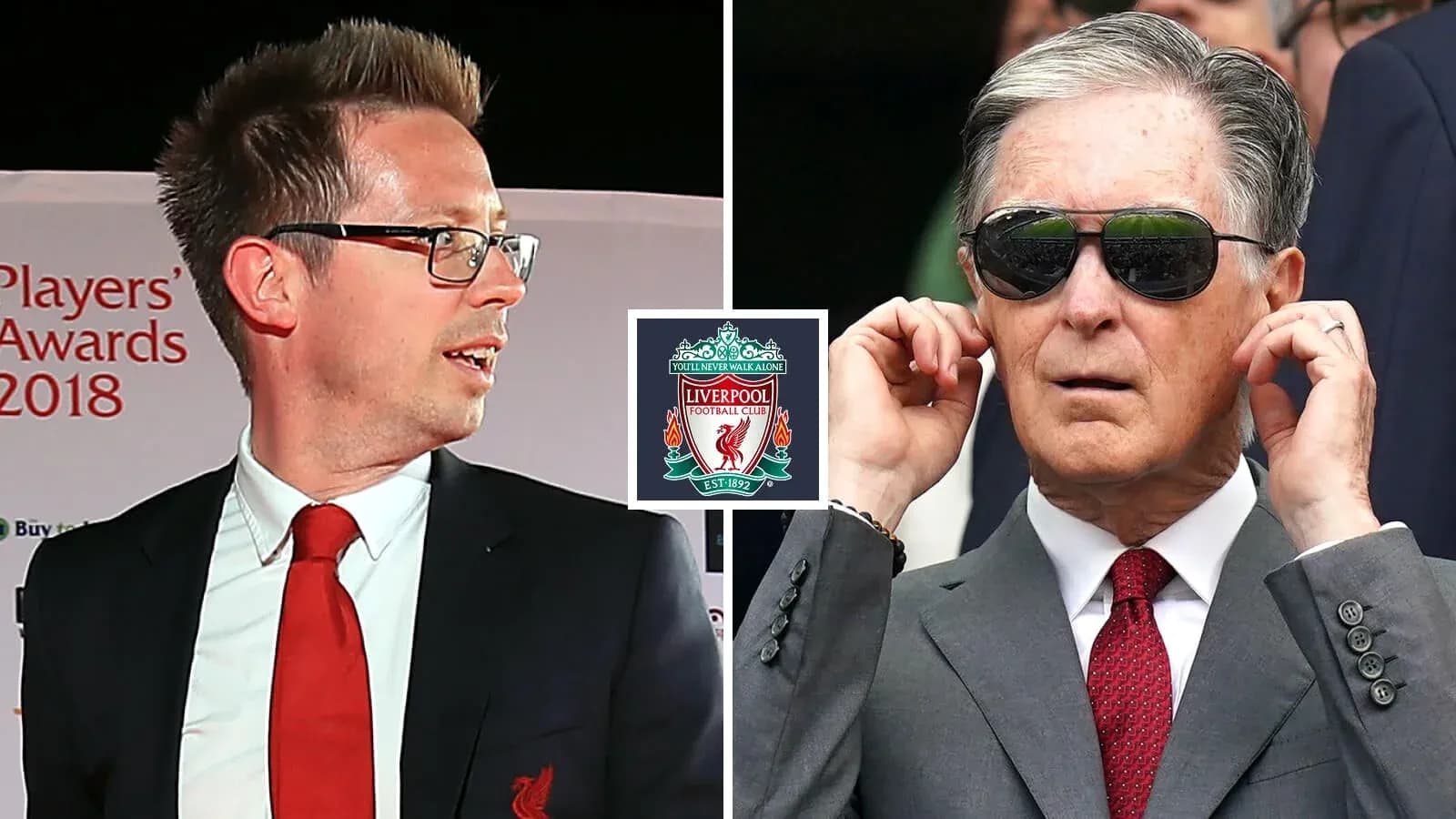
The architect of so much of the club’s modern success is leaving his role as Fenway Sports Group’s CEO of football before the start of next season, with FSG president Mike Gordon stepping back into day-to-day control of football operations instead of an external replacement.
For Liverpool, it’s the end of an experiment that never really got off the ground.
A visionary without his project
When Edwards returned to FSG in 2024, it wasn’t to reprise the transfer-market masterclass that had defined his first spell as sporting director. He made that clear. The lure was bigger: the chance to build and oversee a multi-club model under the Liverpool umbrella.
That project never arrived.
FSG explored options. Bordeaux were considered. Getafe were examined. But the deals stalled, and so did the vision. By March, The Athletic’s James Pearce was reporting that FSG had “effectively shelved plans to buy a second club”, leaving Edwards frustrated and boxed into a role that no longer resembled the one he had agreed to.
Behind the scenes, the decision had already been made. Edwards informed the FSG hierarchy last autumn that he would be leaving, with the ownership group preparing for Gordon to resume control of football operations rather than embarking on another recruitment search.
The pressure finally told not on the pitch, but in the boardroom.
Titles, transitions and a changing brief
Edwards’ legacy at Liverpool is already written into the club’s modern history. As sporting director, he played a central role in building the squad that delivered the Champions League, the Premier League and a cascade of silverware under Jurgen Klopp.
His return in 2024 came at a very different moment. Klopp’s era was winding down, the club was bracing for major change and FSG wanted a steady, strategic hand across all their football interests. Gordon summed it up in his farewell tribute.
“Michael has made an extraordinary contribution to Liverpool Football Club and Fenway Sports Group throughout his time with our organization,” he said, highlighting how Edwards had helped Liverpool “successfully navigate a significant period of transition” before the club sealed a historic 20th English league title – a landmark achievement that arrived under his wider leadership remit.
Edwards himself spoke with typical restraint on his way out.
“It has been a privilege to return to Fenway Sports Group and Liverpool Football Club at such an important moment,” he said. “I leave believing Liverpool is in a strong position, with outstanding people, a clear direction and the foundations in place for continued success.”
The foundations, yes. The project he wanted, no.
Multi-club dream collapses
The core of the rupture is clear. Edwards didn’t come back to run recruitment. He didn’t come back simply to steer one club, however big. Journalist Ben Jacobs underlined that the main appeal was always the chance to drive the purchase and integration of a new club into a broader FSG football portfolio.
Once it became apparent that FSG were not expanding that portfolio, the writing was on the wall.
“Understand Edwards informed FSG he was leaving last autumn when it was clear they were not expanding their football portfolio,” Jacobs reported, adding that Edwards stayed on to support sporting director Richard Hughes but saw his role drift away from what he had been promised.
Bordeaux were initially looked at. Getafe were explored. Once plans to buy the latter stalled, the exit became, in Jacobs’ words, “inevitable”. The job had changed. The mandate had shrunk. The multi-club blueprint never left the drawing board.
The man who once thrived on clarity of vision and long-term planning found himself in a holding pattern.
Gordon steps back in
Liverpool will not be wheeling in a new heavyweight executive to replace Edwards. Instead, the club is turning back to a familiar figure.
Pearce reports that FSG do not intend to appoint an external successor. Gordon, the long-standing president of FSG and a key figure in Liverpool’s modern era, will resume control of running their football operations.
It is a move that signals continuity rather than revolution. Gordon has been central to FSG’s football strategy for years and had only stepped back from the front line when Edwards returned to take on the expanded CEO of football role.
Now, with Edwards departing and Hughes still in place as sporting director, Liverpool’s structure tightens again around the existing ownership core.
What next for Edwards – and for Liverpool?
Edwards leaves with his reputation intact and, if anything, enhanced. He has already taken one extended break from the game after his first Liverpool spell. This time, according to Jacobs, he is unlikely to do the same.
“He will now be in demand,” Jacobs noted, and that feels like an understatement. A proven operator in recruitment, strategy and high-level football management, he will be near the top of the list for any ambitious ownership group looking to build or expand a multi-club model of their own.
For Liverpool and FSG, the question is different. They have just lost the man they brought back to lead them into a new structural era – not because the model failed, but because it never truly began.
They still have their 20th title, a strong squad and a leadership group that insists the club is on solid ground. They still have Gordon, a trusted figure, stepping back into the cockpit.
What they no longer have is the executive who wanted to drag them into the next frontier of football ownership.
The multi-club dream that lured Michael Edwards back has gone. The next move, for both sides, will show whether that was a missed opportunity – or a line in the sand.