Kylian Mbappé's Ballon d'Or Hopes Dashed by Messi's Dominance
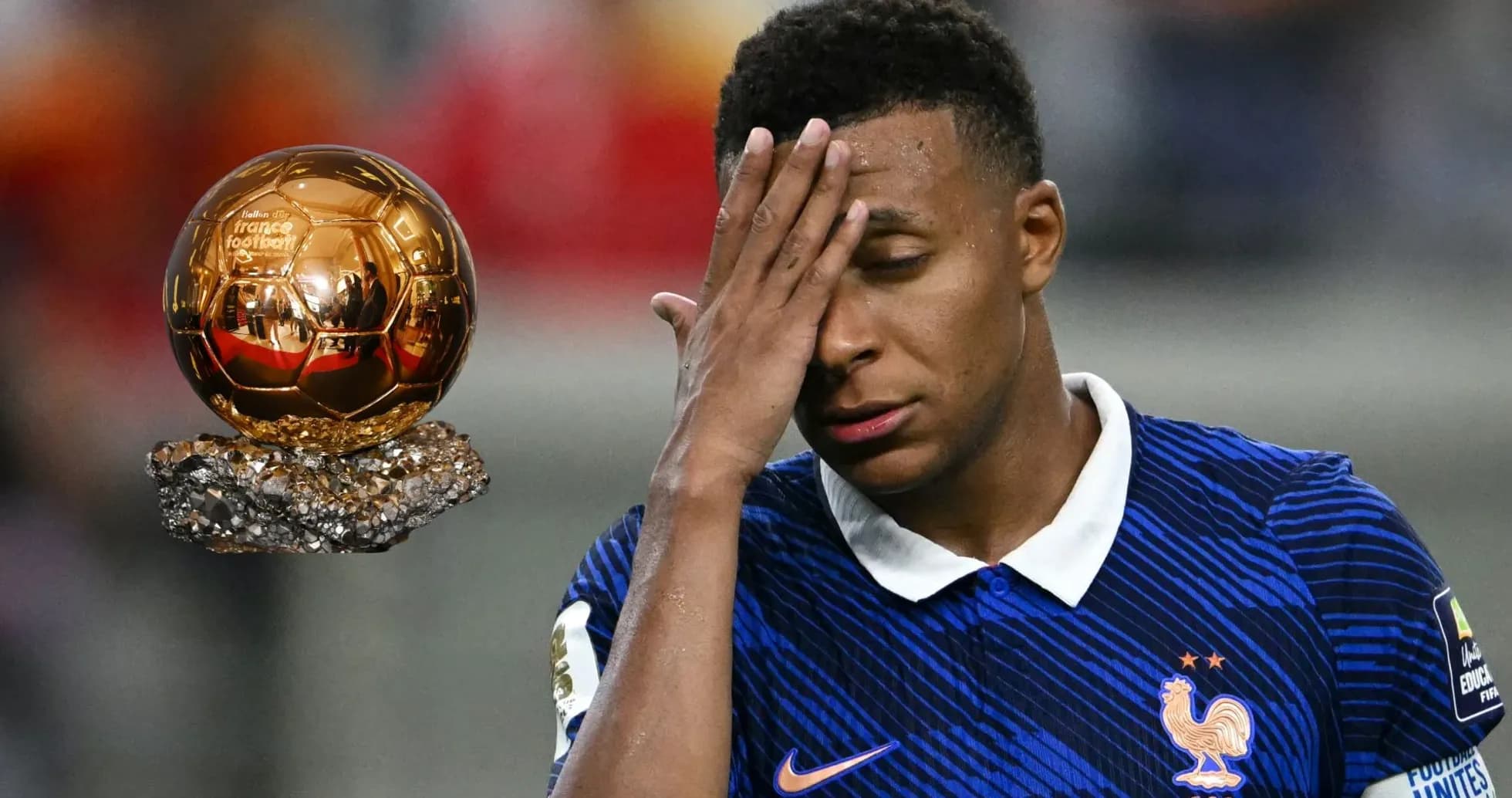
Kylian Mbappé spent the summer in North America looking every inch the heir to football’s throne. Eight goals, a semi-final run, a string of performances that bent games to his will. For a while, it felt like he had kicked the Ballon d’Or door clean off its hinges.
Then Spain slammed it shut.
France’s exit to La Roja has not only cut short another bid for international glory, it has also stripped away the one thing Mbappé needed most this year: a defining trophy. At Real Madrid, the 2025-26 season brought the same hollow feeling. Another campaign, another year without a major club honour. For a player of his stature, that matters. For Ballon d’Or voters, it is decisive.
Jeremie Aliadière, watching the race from a French perspective, sees the pattern clearly. Speaking to GOAL in association with Betinia NJ, he did not sugar-coat Mbappé’s position. The forward, he argued, has done almost everything in his power individually – “a ridiculous amount of goals”, carrying Madrid “for most part of the season” – but in this era, numbers and highlights are only half the story. The other half is silver.
“You've got to win, Champions League or World Cup or Euros,” Aliadière said. Mbappé has not. Not this year. That reality, more than any narrative, is what threatens to extend his Ballon d’Or drought.
Messi, again, at the centre of it all
While Mbappé’s season has frayed at the edges, Lionel Messi’s has tightened into a familiar, ruthless shape.
At 39, he has dragged Argentina back to another World Cup final, matching Mbappé’s tally of eight goals on the biggest stage and once more positioning himself as the game’s ultimate closer. The Albiceleste are one win from defending the crown they claimed in Qatar in 2022. One more Messi masterclass against Spain, and the conversation shifts from “who’s next?” to “how many more?”
A ninth Ballon d’Or is suddenly not a romantic notion, but a very real prospect.
Aliadière can see where the momentum is heading. Asked whether Mbappé is likely to be left waiting again, he pointed straight at the sky-blue and white shirts. “I think it’ll probably be one of Argentina,” he admitted, before circling back to the man who refuses to let go of the spotlight. If Messi wins the World Cup again, he believes, voters will be “mesmerised by the age and what he's produced” and happily overlook the fact he now plies his trade in MLS with Inter Miami.
That MLS detail, once used against Messi in debates about level and intensity, has become little more than a footnote. The 2025 campaign in North America brought him MLS Cup glory and MVP honours, a domestic season that never really dipped. The legs may be older; the standards are not.
Then came the World Cup, and the stakes rose again. Messi responded in kind. England fell to Argentina in a dramatic semi-final in Atlanta, another night when the No.10 bent the script his way. Each touch, each decisive moment, pushed the Golden Ball closer. Another Ballon d’Or? It cannot be dismissed. Not when he keeps doing this.
Ronaldo drifts, Messi drives
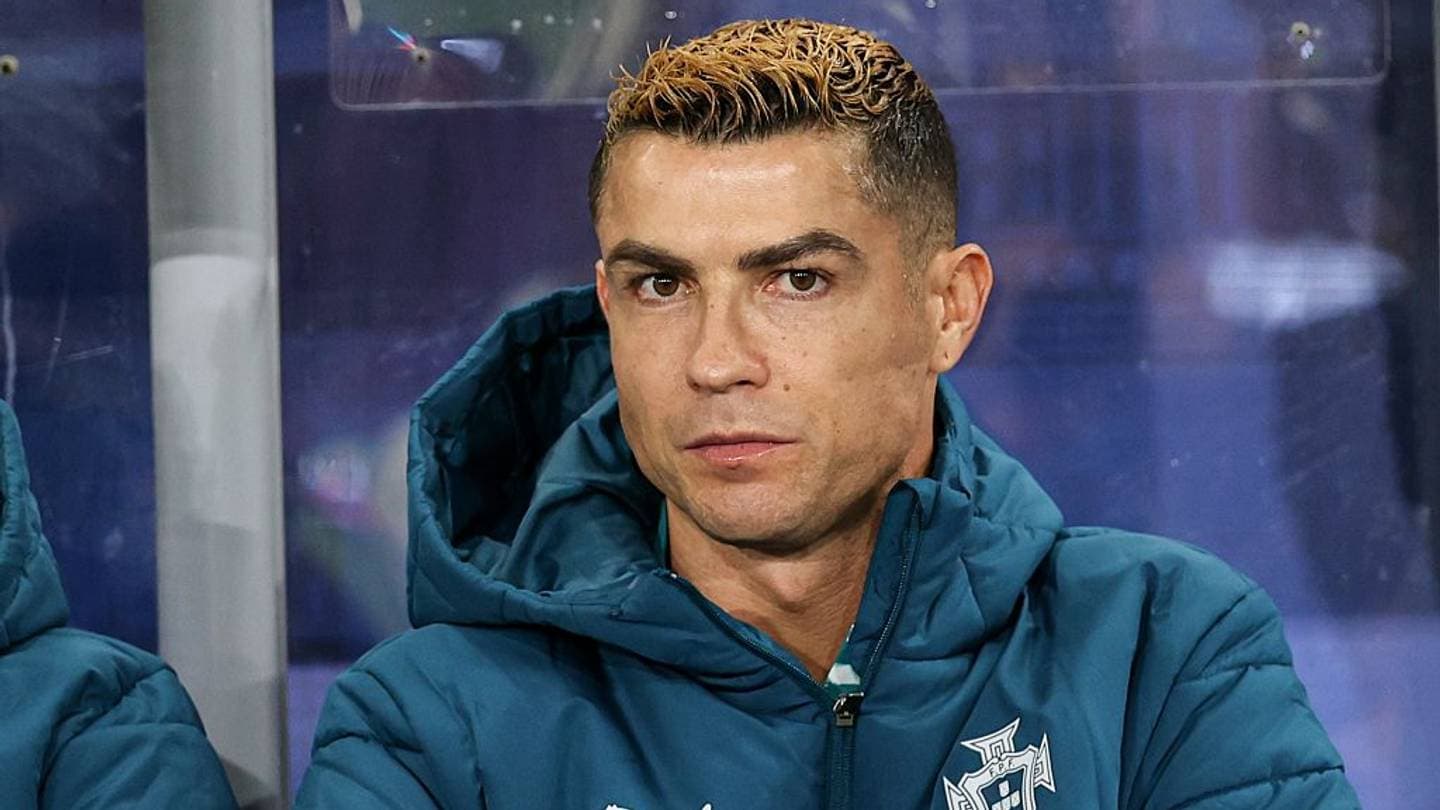
The Messi–Cristiano Ronaldo rivalry has always framed the Ballon d’Or era. Now, as one continues to adapt and excel at the highest international level, the other feels increasingly distant from the game’s sharpest edge.
Former Brazil and MLS midfielder Kleberson, a World Cup winner himself, did not hide his admiration when asked by GOAL whether Messi can pull four clear of Ronaldo in Ballons d’Or. “Wow! That guy never stops!” he exclaimed, before laying out the simple logic behind Argentina’s status.
“Argentina has more chance of winning the World Cup with Messi than any other country, just because Messi is still playing at a good level,” he said. The contrast with Ronaldo was stark. Both remain elite in their own right, but Kleberson pointed to the cast around them. The purity of Argentina’s structure, the quality and cohesion of the players surrounding Messi, give him a platform Portugal cannot match for their captain.
“What Portuguese players have and Argentine players have is completely different. That’s why Messi has a lot of chance,” Kleberson argued. If Messi lifts the World Cup again, his view is unequivocal: “100 per cent he’s going to be up to win the Ballon d’Or again.”
That endorsement carries weight from a Brazilian. Kleberson went further, suggesting that even in Brazil, where rivalry with Argentina runs deep, there is a recognition that the game’s great artists deserve its greatest prizes. Fans there, he said, “want to see good players win the Ballon d’Or and the World Cup – players that are a joy to see play. Messi is one of those.”
The rules of the game
Aliadière’s aside about Harry Kane underlined the harshness of the modern Ballon d’Or landscape. Kane, like Mbappé, delivered a season of staggering output. Like Mbappé, he watched his best chance of a statement trophy disappear with his national team’s failure to “go all the way”. Without that crowning moment, the argument fades.
It is not that individual brilliance has lost its value. It is that, at this level, brilliance is the baseline. To stand out, a player must marry numbers with nights that define tournaments and seasons. Champions League finals. World Cup knockouts. Euros showpieces. Messi has stacked those moments again. Mbappé, this year, has not.
So the debate that once seemed to be shifting towards a new generation has swung back, almost stubbornly, to the old master. The Frenchman still looks like the future, still plays like a man destined to dominate this award for years. But football’s biggest individual prize is rarely about destiny. It is about timing, trophies, and the ability to seize a year and make it yours.
Right now, as another World Cup final looms and a 39-year-old genius walks out once more with everything on the line, the year feels like it belongs to Lionel Messi. The real question is no longer whether he can win another Ballon d’Or.
It is how many more times the game will let him rewrite its rules.