Mauricio Pochettino's Future with U.S. Soccer: A Defining Decision
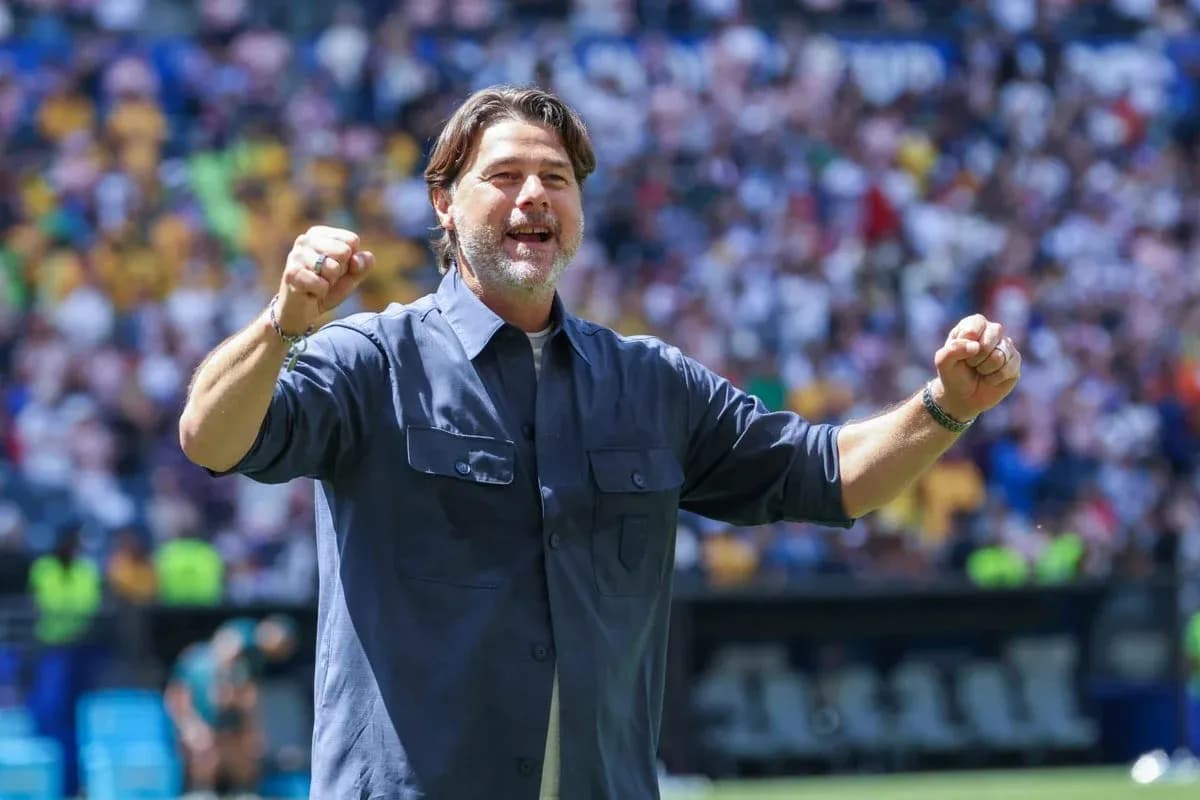
Mauricio Pochettino has a World Cup to chase, a nation at his back and, quietly, a four–year offer on the table that could define the next decade of American soccer.
U.S. Soccer has moved early. Before a ball was kicked this summer, the federation presented its head coach with a proposal to stay through a second World Cup cycle, running to 2030. The message was blunt and ambitious: they want Pochettino to be the architect of the long game, not just the face of a home tournament.
He has not said yes. He has not said no. And nothing will be decided until the final whistle of the 2026 World Cup.
A long courtship, a short window
Pochettino’s current deal runs only through this tournament. Behind the scenes, though, talks have been rumbling on for months. Sources familiar with the discussions, who are not authorized to speak publicly, say U.S. Soccer formally laid out a four‑year renewal before the World Cup began, giving the Argentine time to weigh a future that stretches far beyond this summer.
The timing matters. By the end of the tournament, Pochettino could, in theory, be a free agent again — a 54‑year‑old with Chelsea, Tottenham Hotspur and Paris Saint‑Germain on his résumé, suddenly back on the market. For a coach with that profile, Europe will always be a phone call away.
There was an assumption in some corners of the game that he would jump straight back into club football once this World Cup ended. That sense only sharpened in April when Matt Crocker, the sporting director who had worked with Pochettino at Southampton and then helped bring him to U.S. Soccer, abruptly left for a job in Saudi Arabia. The man who hired him was gone. The easy narrative wrote itself.
Yet the story on the field has complicated everything.
A dream start that changes the stakes
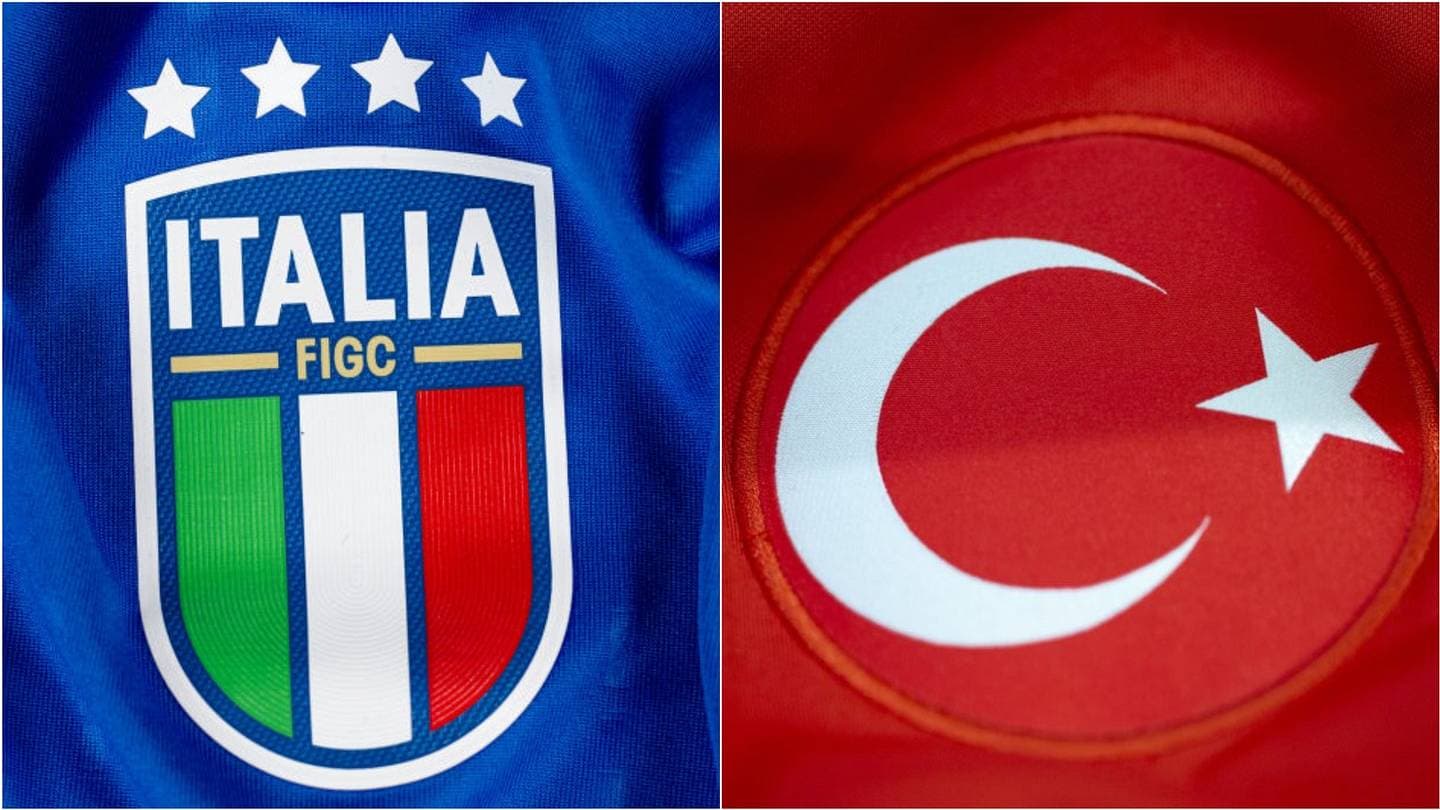
The USMNT have ripped up the script. Wins over Paraguay and Australia booked a spot in the round of 32 with a game to spare, turning Thursday night’s defeat to Turkey into a dead rubber. Performances have outstripped expectation, the draw looks inviting, and a country more used to cautious hope is starting to wonder how far this run can go.
That surge in momentum is exactly why all sides agreed to wait. Results at a home World Cup were always going to color every conversation. U.S. Soccer wanted to signal its intent early, but Pochettino wanted the noise kept down while he works. As he put it this week: “We told the federation we are open, but we don’t want to distract when all the energy needs to be with my players.”
For now, the focus is the tournament. The future, though, is already being sketched.
Beyond 2026: an era, not a cycle
The next four years in American soccer are not just about another World Cup. They are about turning a moment into a movement.
On the calendar: a home Olympic Games in Los Angeles, with the men’s team expected to be a central part of the story. A Copa America in 2028, also anticipated to be staged in the United States, with the USMNT back in the South American cauldron. A new $250 million national training center in Atlanta, built as both a symbol and a factory for elite development.
For a coach, that is a rare package: global tournaments on home soil, world‑class facilities, and a chance to shape an entire footballing culture from the inside out.
Pochettino has always been more than a touchline tactician. He has long been drawn to youth development and coach education, to building structures rather than just inheriting them. An extension would give him greater latitude over the pipeline from youth national teams to the senior side, and a direct hand in how American coaches are educated and empowered.
He spoke this week about legacy. Not just trophies. “If the American people start to show passion in our sport too, why not be here being part of something that can create a legacy?” he said. For him, the real inheritance is a deep connection between team and country: “The legacy is not to win the World Cup. Of course, we want to win, but that [connection] is the legacy we need if one day we want to be very successful and be consistent.”
Those are not the words of a man who sees this job as a brief stopover.
Big leagues, big money, big decisions
U.S. Soccer knows it is playing in the deep end now. Before appointing Pochettino in September 2024, the federation sat down with Jurgen Klopp, a statement in itself about the caliber of coach they believe they can attract. They landed Pochettino with the help of serious financial muscle.
The deal to bring him in relied “in significant part” on a philanthropic leadership gift from Ken Griffin, the founder and CEO of hedge fund Citadel. Additional backing came from Scott Goodwin of Diameter Capital and several commercial partners. The message to the global market was clear: the United States would pay to compete.
A historical tax filing published in March, covering April 1, 2024 to March 31, 2025, projected Pochettino’s pro‑rated base salary at around $4 million. Bonuses and incentives pushed his potential total package into the $5‑6 million range in a non‑World Cup year. Any extension would keep him in line with the highest‑paid international coaches on the planet, competitive with elite European club offers, if still shy of the stratospheric wages at the very richest clubs.
To sustain that level, the federation has kept up a steady dialogue with major donors and sponsors, determined to ensure it can continue to shop at the very top of the coaching market. The plan is simple: if Pochettino stays, they can afford him. If he leaves, they want the resources to chase the next big name.
U.S. Soccer chief executive JT Batson framed the interest from clubs — including talks Pochettino held with AC Milan in late May — as the price of admission. This is what it looks like when you hire a coach who belongs in “the big leagues.”
Club temptation vs. country project
That temptation is not going away. Over the past year, several clubs have sounded out Pochettino. More will come calling if he continues to impress on home soil. The rhythm of club life — daily training, constant competition, transfer windows, the Champions League — has a pull that international football cannot fully replicate.
Yet there is something different about what he has found in the United States. This week, he admitted how hard it is to picture leaving. “It’s difficult to describe or know your future,” he said. “But when you are here, I think it’s difficult now to see yourself living in another place, because for sure, we will miss it if one day we don’t stay here in this country.”
That line lingers. So does the opportunity in front of him.
If he walks away after 2026, he will leave behind a team that helped ignite a World Cup on home soil. If he stays, he could become the defining figure of a generation, the coach who took a growing soccer nation and gave it a lasting football identity.
The offer is there. The money is there. The infrastructure is coming. The only unknown now is whether Mauricio Pochettino wants to trade the restless carousel of European club football for the chance to build something that might, in time, outlast them all.