Marcus Rashford's Champions League Bonus Impact on Manchester United
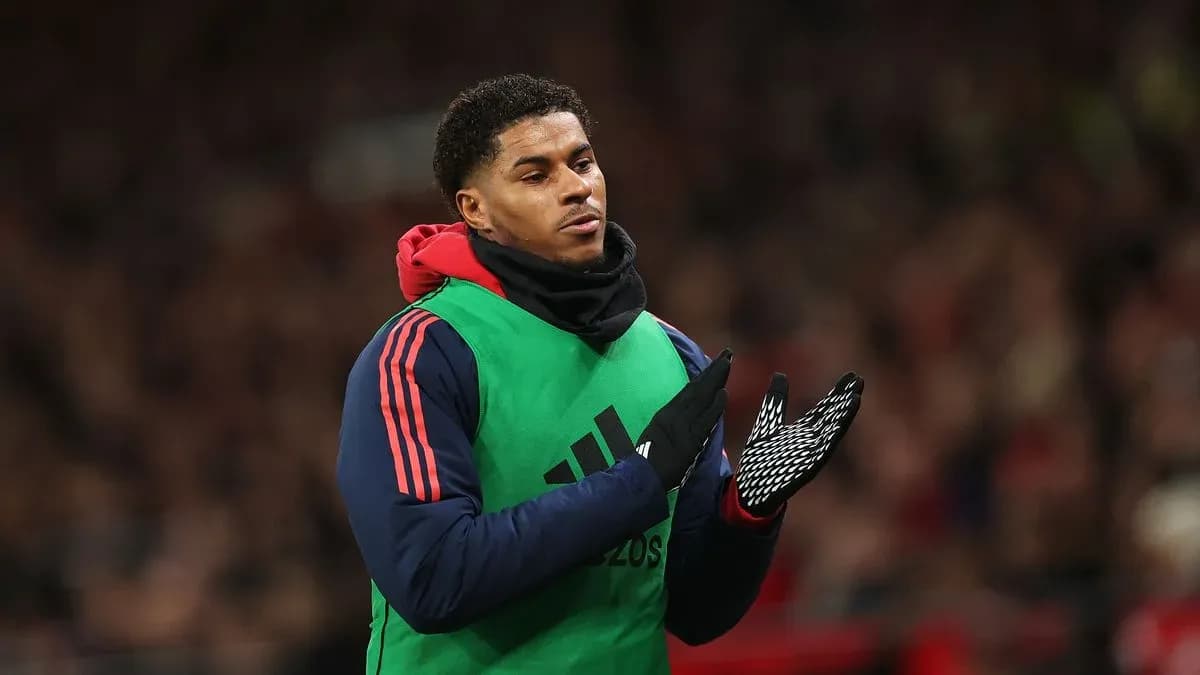
Marcus Rashford is poised for a sizeable financial lift from a Champions League clause that has forced Manchester United back to the calculator.
United’s squad contracts now carry a clear condition: players must feature in at least 60 per cent of the previous season’s minutes to trigger a Champions League bonus. Miss that threshold and the European windfall never lands. Hit it, and the pay packet swells.
But Rashford sits in a unique, and for United awkward, space.
A few years ago, simple qualification for Europe’s elite competition was enough to unlock a pay rise, regardless of individual involvement. That older framework still underpins Rashford’s current deal. So, despite playing zero minutes for United last season, the England forward is set to bank around an extra £4million a year thanks to a 25 per cent uplift on his already substantial wages after United’s third-place finish in the Premier League.
The return to the Champions League has effectively reversed the pay cut imposed on the squad during the season without Europe. For those on the old terms, it has been a lucrative reset. Rashford’s salary has bounced back above £300,000 a week, with the 25 per cent rise accounting for that £4m annual boost.
He is not alone. Mason Mount, who arrived in the same period Rashford signed his new contract, is also tied to that legacy clause. His activation of the Champions League bump will cost United more than £1m extra in wages over the next season.
Andre Onana, another signing from that summer, benefits as well. His wages are currently being covered by loan club Trabzonspor, sparing United an even heavier immediate outlay, but the clause still enhances the overall cost of his deal.
Those contracts sit in stark contrast to the new regime. As reported by The Telegraph, United have since tightened the rules: to cash in on Champions League qualification, a player must now have been on the pitch for more than 60 per cent of the previous campaign — just over 2,000 minutes. Fall short of that mark and the European bonus disappears.
Under that updated structure, neither Rashford nor Mount would be anywhere near a seven-figure reward. Mount scraped to around half the required minutes. Rashford spent the season away from Old Trafford. Joshua Zirkzee, signed before the change and not meeting the threshold last season, saw his wages remain flat.
The financial consequences are shaping United’s transfer strategy. Both Rashford and Onana have been available for permanent moves, but shifting them has proved difficult. Their wage levels, inflated by those Champions League clauses, have narrowed the market of potential buyers and complicated negotiations.
Rashford’s situation is particularly telling. He impressed during his loan spell at Barcelona, yet the Catalan club ultimately walked away from a permanent deal on financial grounds. United’s eagerness to move him on spoke volumes about the strain his contract places on their budget.
Now, there has been a notable change of stance. The drive to offload him has cooled, and it increasingly looks as though Rashford will stay at Old Trafford, high salary and all.
While that saga has played out, United’s summer plans have felt the squeeze. The club pulled off smart deals for Youri Tielemans and Andrey Santos, but attempts to land Elliot Anderson and Mateus Fernandes fell short, with the costs deemed too steep in the current financial climate.
The knock-on effect is clear. United may no longer have the budget to bring in a third midfielder, and attention is drifting towards other areas — a new left-back, a centre-forward, positions where they hope value still exists.
In a squad reshaped by performance-based clauses, Rashford’s windfall stands as a reminder of a different era of contract thinking — and a problem United are still paying for as they try to rebuild on and off the pitch.