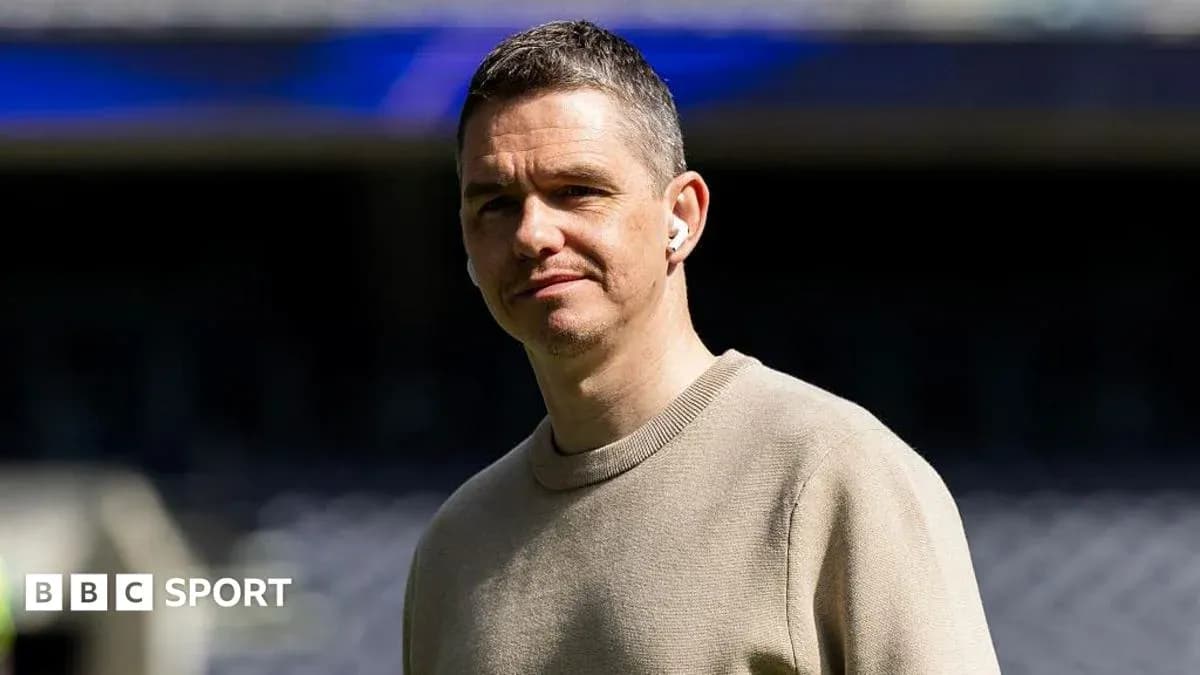
Marc Skinner Steps Down as Manchester United Manager Before WSL Season
Manchester United will begin the new Women's Super League season without the manager who delivered their first major trophy, after Marc Skinner stepped down just a month before the campaign starts.
The 43-year-old, who has been in charge for five years, leaves having etched his name into the club’s short but eventful modern history. Under his watch, United lifted the Women's FA Cup in 2024, a landmark moment that finally turned promise into silverware.
That triumph at Wembley was the headline, but not the whole story. Skinner took United into the Women's Champions League group stages for the first time last year and turned them into regular contenders on the domestic front, even if they often finished just short. They ended up runners-up in three domestic cup finals during his tenure, a record that underlined both their progress and their frustration.
Yet the timing of his departure is as striking as his achievements. United open their WSL season away to London City Lionesses on 4 September (19:00 BST). Instead of fine-tuning tactics for that trip to the capital, the club now has a managerial vacancy to fill.
Behind the scenes, tension had been building. The former Birmingham City head coach had raised concerns over what he viewed as a lack of investment in the squad. While rivals Manchester City, Arsenal and Chelsea have moved decisively in the transfer market, United’s summer has been notably quiet.
The contrast has been stark. London City Lionesses, who finished fifth last season, made a statement by signing two-time Ballon d'Or winner Alexia Putellas. Tottenham strengthened their back line with Lyon defender Alice Sombath. United, by comparison, have focused on a different kind of rebuild.
The club has shifted its recruitment strategy towards younger players, betting on sustainable, long-term success rather than short-term star power. It is a philosophical pivot as much as a financial one, and it has not gone unnoticed in the stands. Supporters, already restless after watching their rivals spend, have grown increasingly frustrated at the lack of big-name additions.
There have been positive moves in infrastructure. BBC Sport reported in July that the girls' academy will train at Carrington, the club’s main training facility, this season. It is a significant step in aligning the pathway from academy to first team, and fits neatly with the club’s emphasis on development.
But investment in bricks, mortar and potential does not always ease concerns about the here and now. Not when the teams United want to catch are arming themselves for a title race.
Against that backdrop, Skinner and the club held discussions over the summer. Those talks ended with a mutual agreement for him to leave his role. No public fallout, no dramatic split, but a clear sign that visions for the next phase no longer fully aligned.
United insist they are already well down the road towards appointing a successor. Sources at the club say background checks on potential candidates have been completed, and the shortlist is advanced rather than theoretical.
One requirement stands out. The next head coach must have a proven track record of developing players. In other words, whoever walks into Carrington will not just be asked to win now, but to shape what United look like five years from now.
Skinner departs with a trophy, a Champions League campaign and a raised bar behind him. His successor walks into a club that wants to grow patiently while the rest of the league accelerates. How long will patience last if results do not keep pace with those ambitions?