Marc Skinner Departs Manchester United Women After Trophy-Winning Tenure
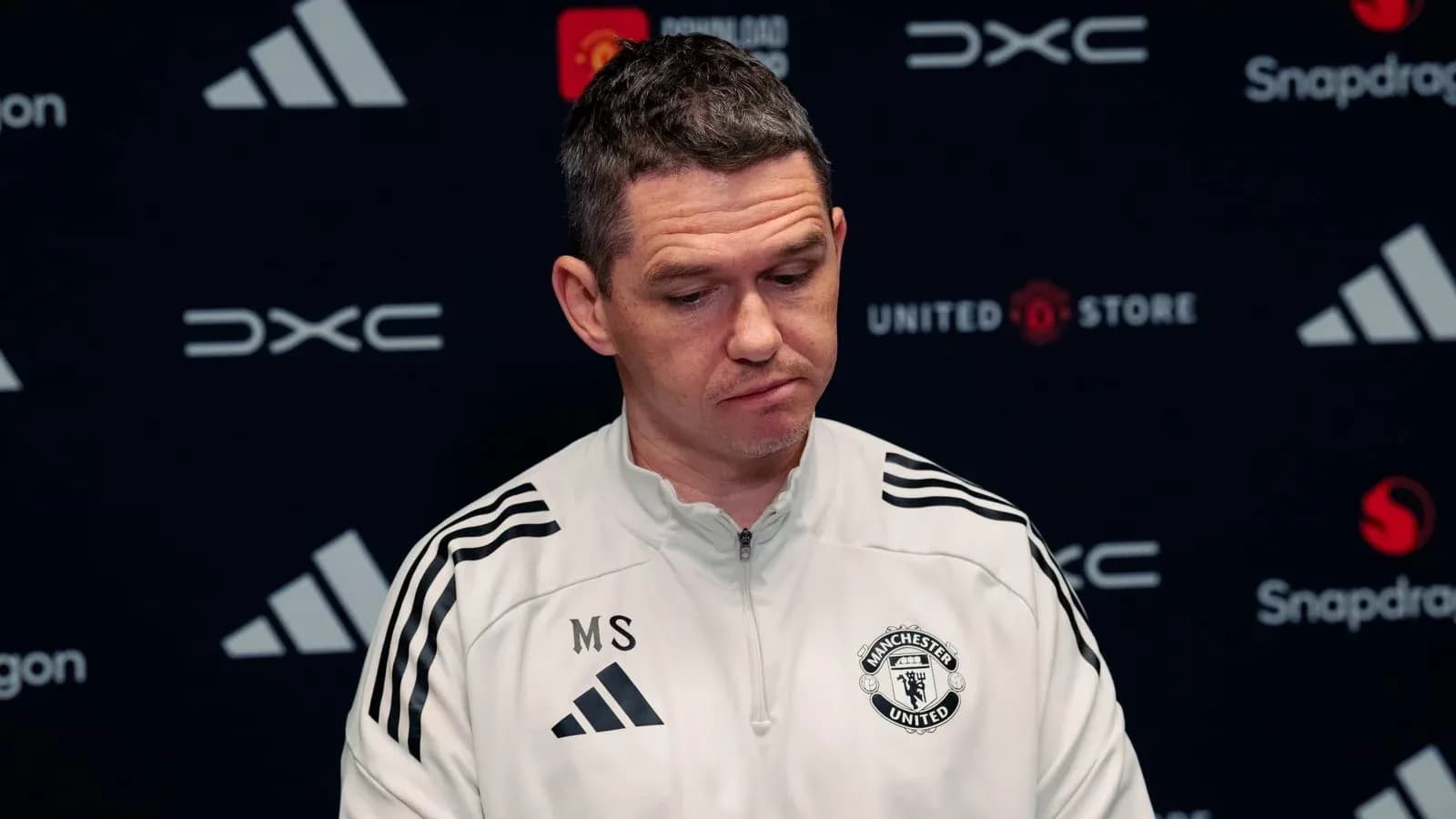
Marc Skinner has stepped down as Manchester United Women head coach by mutual agreement, bringing an end to a five-year spell that dragged the club into the domestic elite and finally delivered its first major piece of silverware.
The decision comes with just a month to go before United open their new Women’s Super League campaign away to London City Lionesses on 4 September, and a year still left on Skinner’s contract. The timing is abrupt. The legacy is not.
Skinner took over from Casey Stoney in July 2021 and walked straight into a club still learning what it meant to live with the expectations attached to the Manchester United badge. Under his watch, those expectations stopped being theoretical.
Achievements
Four domestic cup finals in four seasons. One of them, the 2024 FA Cup final, ended with United’s women’s side lifting the club’s first major honour, a landmark moment that finally put a trophy in the cabinet to match the ambition in the boardroom.
The club confirmed his exit on Monday, framing it as an amicable parting of ways.
“Marc Skinner has departed his role as head coach of Manchester United Women by mutual agreement,” read the statement. “Marc leaves having made a significant contribution to the continued progress of Manchester United Women.
“The club places on record its sincere thanks for his professionalism, commitment and dedication throughout his time at United, and wishes him every success in the future.”
Those are the official lines. The numbers fill in the rest.
Under Skinner, United did not just become competitive; they became contenders. The 2022-23 WSL season was the high-water mark domestically, United finishing runners-up and punching their ticket to the Champions League for the first time in the team’s history. That qualification felt like a statement that United were no longer content to watch others define the landscape.
The European debut did not disappoint. In the 2025-26 campaign, United pushed through to the Champions League quarter-finals before bowing out to Bayern Munich. It was a clear sign of progress, a team learning quickly on a stage that had been out of reach only a few years earlier.
But progress in football is rarely a straight line.
Last season brought a jolt. United slipped to fourth in the WSL, missing out on Champions League qualification and finishing nine points adrift of third-placed Chelsea and a full 15 behind champions Manchester City. For a club that had grown used to closing the gap, those numbers stung.
That backdrop frames Skinner’s departure. A coach who delivered history — a first major trophy, a first Champions League campaign, consistent deep runs in domestic cups — walks away just as the club confronts the question of what comes next.
United now face a tight turnaround: a new season looming, European football gone for the year, and a squad built to compete at the top suddenly without the coach who helped shape its identity.
Skinner leaves with medals, milestones and unfinished business scattered behind him. The next appointment will decide whether his work becomes a foundation or a missed opportunity.