
Manchester United's Transfer Strategy Shows New Resolve
For a brief moment at the start of the week, it looked like the same old story at Manchester United. Another window drifting off course, another coveted target heading elsewhere. Elliot Anderson chose Manchester City. Mateus Fernandes went to Tottenham. The narrative wrote itself.
United ripped it up.
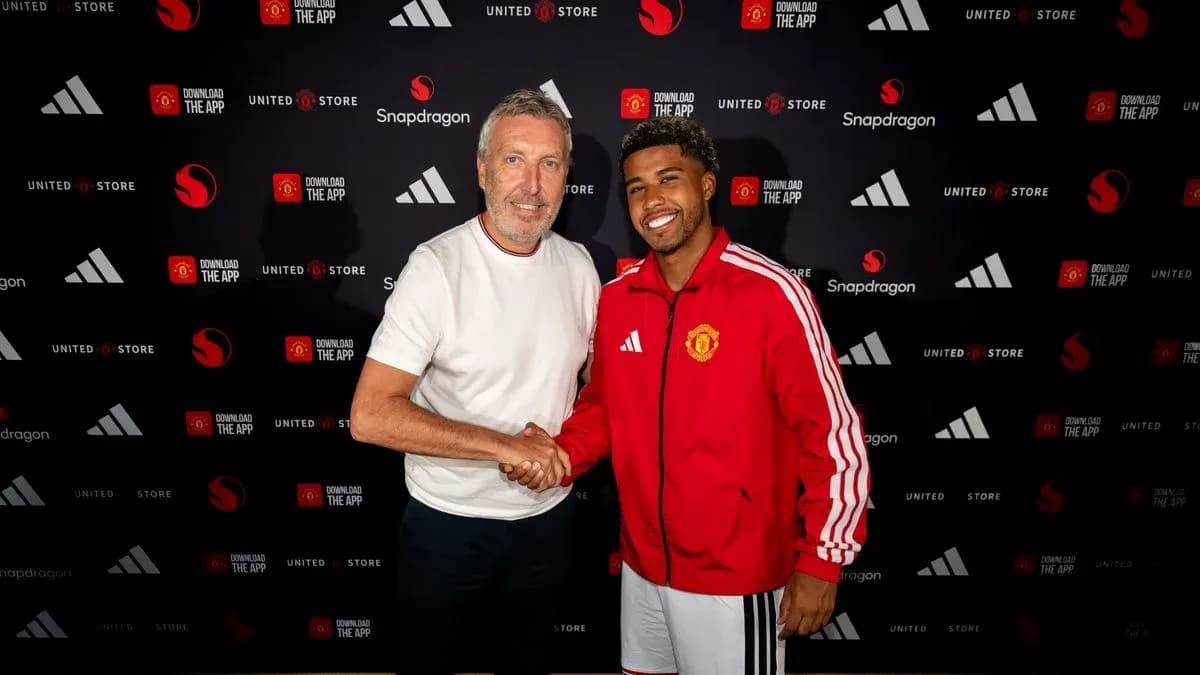
By Friday, three deals were done and the mood around Old Trafford had shifted from frustration to something closer to quiet satisfaction. The club had lost out on Fernandes, but in the space of 48 hours they had landed Andrey Santos for £50 million and Youri Tielemans for £35m. Two midfielders, two very different profiles, one clear message: this regime will not be bounced into bad business.
Spurs pay the premium, United bank the value
The turning point came with Fernandes. West Ham set an £85m up‑front valuation. Tottenham paid it, and backed it up with a £250,000‑a‑week contract. United walked away.
That decision would have been unthinkable under previous leadership. When Frenkie de Jong slipped away, United panicked and hurled money at Casemiro. This time, after missing out on Anderson and then Fernandes, the club did not flinch. No emotional chequebook, no scramble.
Instead, they bought Santos and Tielemans for the same combined fee Spurs wired for one player.
Fernandes has obvious upside. His numbers last season put him close to Anderson on several key midfield metrics, and it is no shock United liked him. But he arrives at Spurs with back‑to‑back relegations on his CV and with a fee that screams risk. Tottenham have paid for potential and hope he grows into the price.
United, by contrast, have paid for value.
Santos is raw, but so is Fernandes. There is no great developmental gulf between them, only a huge difference in cost. Tielemans, meanwhile, brings what Fernandes cannot yet offer: a proven Premier League body of work stretching over seven‑and‑a‑half years.
Tielemans: brains, ballast and a badly needed grown‑up
The Tielemans deal is the most intriguing of the lot. At 29, he is not a speculative project or a resale play. He is a plug‑and‑play midfielder for Michael Carrick.
Few players have stitched together play as reliably as Tielemans in recent seasons. He has racked up close to more passes to a team‑mate within three metres than almost anyone in the division, a small detail that reveals a lot. He keeps moves alive. He offers angles. He links thirds. His passing range, dynamic and varied, should give Carrick the control he craves but has rarely enjoyed.
Inside the club, the signing has been framed as a cornerstone move. “Youri has consistently been one of the most outstanding midfielders in the Premier League,” Jason Wilcox said when the transfer was announced. “He has all of the technical qualities, as well as the ambition and mentality, to thrive at United.”
Wilcox also highlighted what the dressing room has been missing since Casemiro left: leadership. Tielemans captains Belgium and wore the armband in his final season at Leicester. United have not just bought a passer; they have bought a voice.
The leadership void after Casemiro’s departure was obvious. Too many quiet personalities, not enough players willing to set standards. Tielemans does not arrive as a saviour, but he does arrive as a grown‑up in a squad that has needed a few more.
A recruitment reset after the Amorim misstep
All of this comes against a turbulent backdrop. The Ruben Amorim experiment was a disaster. On the numbers, it was historically bad. In the Premier League, he posted the worst win ratio of any United manager, conceded more goals per game than any of his predecessors, and kept the fewest clean sheets in the club’s history.
He did some necessary surgery on the dressing room, cutting down egos and challenging a complacent culture, but the damage on the pitch outweighed the benefits. The board took a hammering for appointing him, and deserved it.
Yet the same board has quietly sharpened its work in the market. It felt last summer as if the penny had finally dropped: the days of blindly overpaying were fading. This window has been more awkward, more reactive, yet the response to missing out on Fernandes underlines a new discipline.
There is now a conviction inside Old Trafford that value exists if you are prepared to look hard enough and walk away often enough. Santos and Tielemans, for the price of one over‑inflated deal, are the clearest vindication yet.
Work still to do – but a different United
No one at United is pretending the job is done. The squad still needs a high‑quality third midfield addition. Other areas will need attention before the window closes. The rebuild is not a straight line, and this week does not erase the missteps of the Amorim era.
What it does show is a club finally willing to resist the old temptations. Spurs can have Fernandes at £85m and £250,000 a week. United, for once, have chosen the smarter path.
The real test comes later: when the season tightens, when injuries bite, when those midfield choices are played out under the lights and under pressure. That is when we will discover whether this new ruthlessness in the boardroom has been matched by the same clarity on the pitch.





