Manchester United's Summer Transfer Dilemma: The Search for a Midfielder
Manchester United’s summer is starting to look uncomfortably familiar.
INEOS earned goodwill with a sharper year of business in 2025, tightening structures and trimming some of the chaos that had become routine at Old Trafford. But as pre-season looms and the transfer window drags, the mood is shifting. The big midfield signing that always felt non-negotiable is still missing, and the list of realistic options is shrinking by the week.
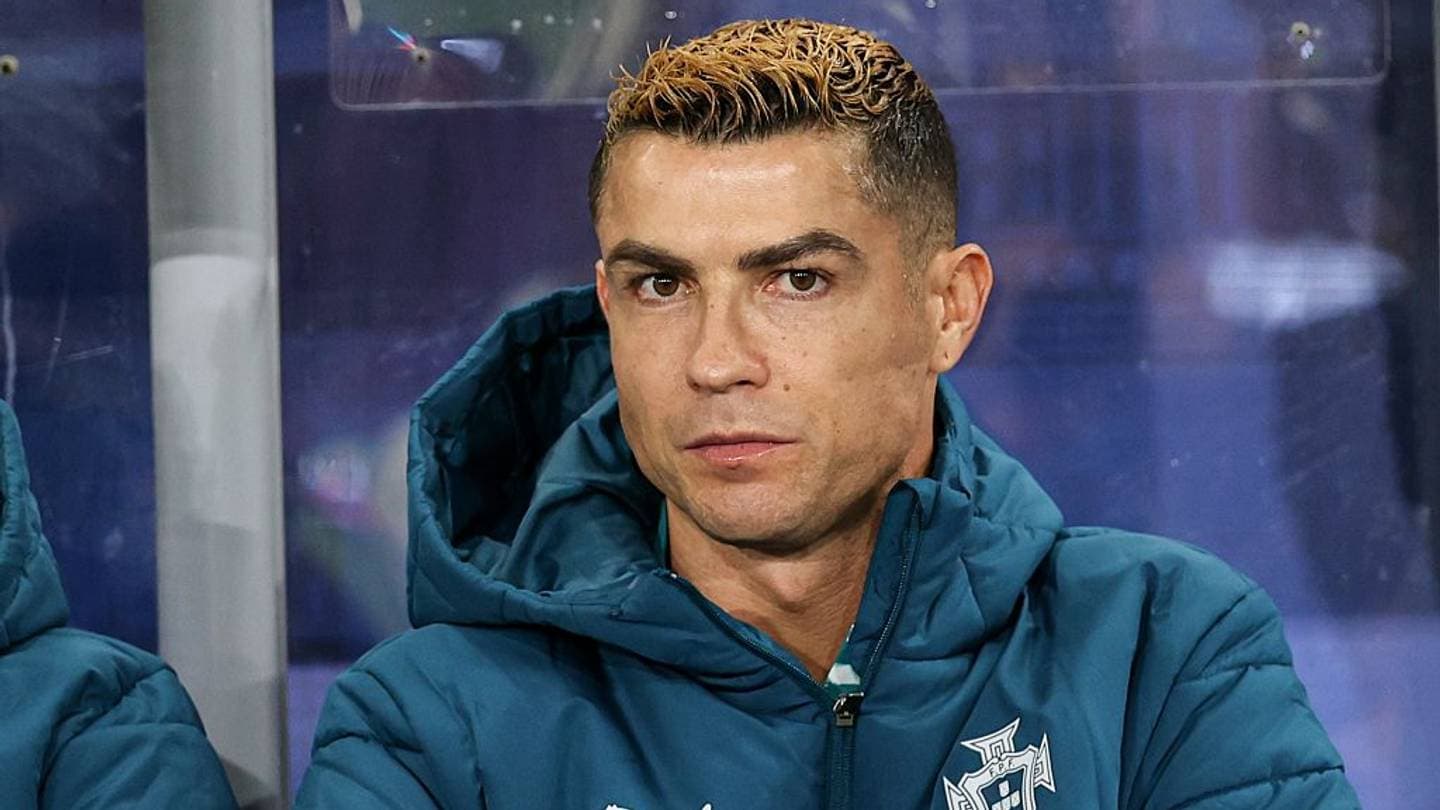
Elliot Anderson has chosen Manchester City. Mateus Fernandes has gone to Tottenham Hotspur. Aurelien Tchouameni, the dream signing, is staying at Real Madrid and is expected to sign on until 2031. Another superstar who used United’s interest as leverage. Another echo of Sergio Ramos in 2015. Another reminder that Old Trafford remains a powerful bargaining chip, but not always a final destination.
There are deals being done. Just not the ones that change a season on their own.
A summer that feels like 2023
United have been here before. The summer of 2023 began with optimism and ended with a shrug.
Back then, Erik ten Hag had just delivered a Carabao Cup, a third-place finish and a sense of order. The campaign had tailed off – an FA Cup final defeat, a Europa League exit, that 7-0 humiliation at Anfield – but the foundations looked solid. The club talked and dreamed at the level of Harry Kane and Declan Rice.
The reality? Rasmus Hojlund, Andre Onana and Mason Mount.
Mount never got going, his time in Manchester shredded by injuries across three seasons. Onana and Hojlund both ended up out on loan last term, the Dane now gone for good after sealing a permanent move to Napoli. The grand rebuild that summer was meant to be never quite materialised.
Now fast forward.
Michael Carrick has guided United back into the Champions League with another third-place finish. The structure above him is different, the ownership model reshaped, but the sense of déjà vu is hard to ignore.
A new goalkeeper is on his way in Karl Darlow. Andrey Santos is set to arrive from Chelsea in a deal north of £50m, stepping into the same corridor Mount once walked down with similar fanfare. Ederson’s proposed move from Atalanta – the club that once supplied Hojlund – would have underlined the parallels even more, but that transfer has stalled and now looks unlikely.
Santos and Darlow may yet prove astute pieces of business. They deserve a fair look before judgement. Yet the broader picture is unavoidable: a club of United’s size still feels short of the kind of marquee signing that shifts the dressing-room dynamic, that sends a signal across Europe.
And Tchouameni, the player earmarked to be that statement, has slipped away.
Life after Tchouameni
Inside Old Trafford, there was a genuine belief that Tchouameni might be prised from Madrid if he was deemed expendable. The 26-year-old has been monitored since his Monaco days, his name underlined on recruitment lists for years. He was the ‘dream’ target for a reason – a modern holding midfielder with presence, power and the composure to dictate games at the highest level.
That dream is over. Madrid want to keep him. He wants to stay. The new contract is coming.
So United must pivot, and quickly.
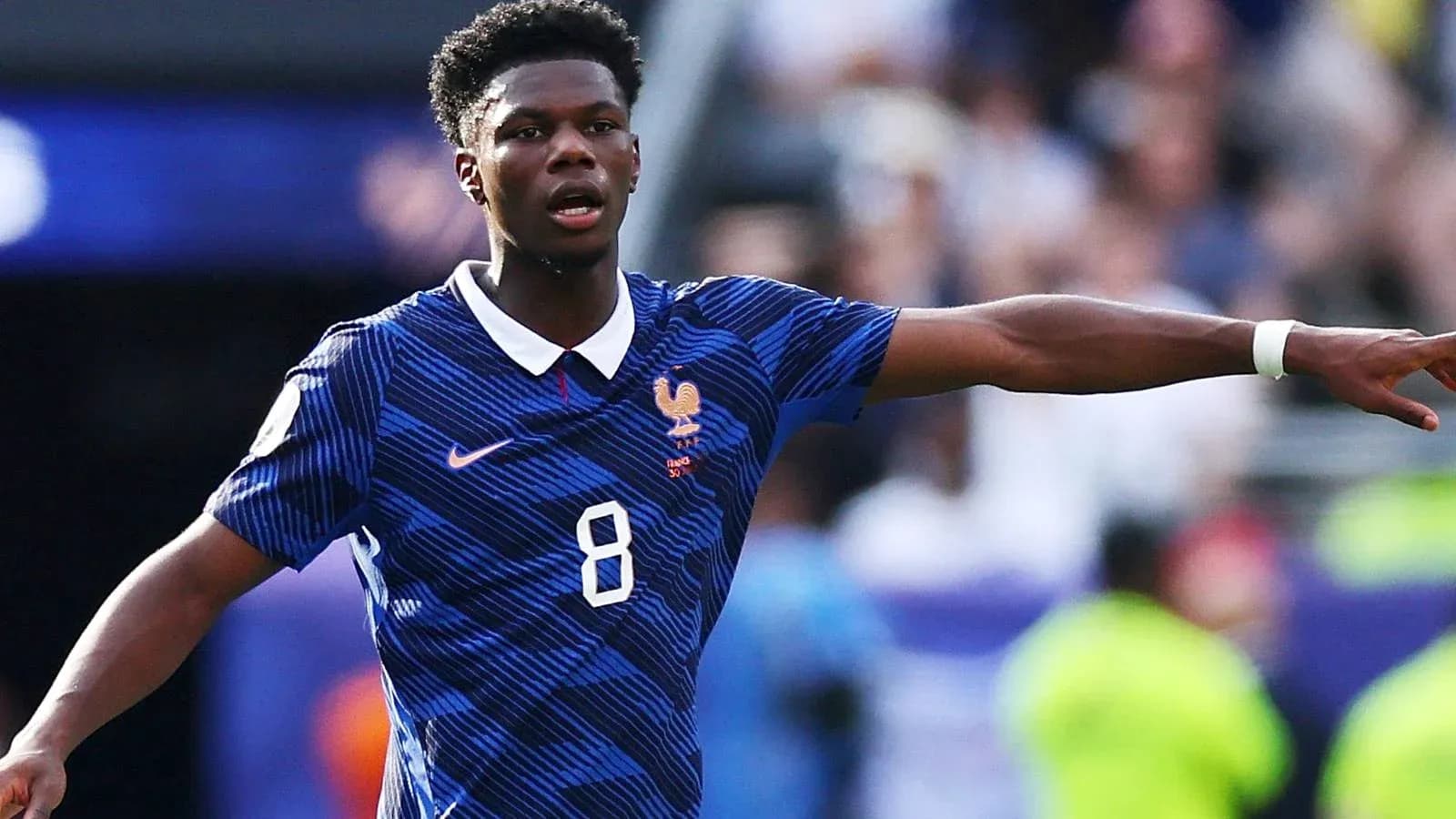
Attention has turned to another French World Cup winner: Manu Kone. According to journalist Ben Jacobs, speaking on the United Stand podcast, United have made enquiries about the AS Roma midfielder, particularly once the Ederson move began to unravel.
Roma are expected to demand around £50m for the 25-year-old if he is to leave the Stadio Olimpico this summer. That price bracket tells its own story: this is not a bargain hunt, this is a serious consideration for a central pillar of Carrick’s midfield.
Kone is not yet the global headline act that Tchouameni has become. But he has forced his way into the wider conversation with a run of commanding performances for France, stepping in for the injured Madrid man in recent World Cup games and barely missing a beat.
Alongside Adrien Rabiot, he has looked assured, disciplined and quietly dominant. Talent scout Jacek Kulig once described him as a “monstrous box-to-box midfielder”. On current evidence, that assessment is holding up.
The numbers behind the name
Strip away the hype and Kone’s profile is compelling.
In his four starts for France this summer, he has posted a 93% pass completion rate. He loses the ball on average just 7.3 times per game and hits 1.3 successful long balls per outing. Those figures sit almost in lockstep with Tchouameni’s own tournament numbers: 91% pass accuracy, seven losses of possession per game, 1.3 successful long balls.
Defensively, Tchouameni still has the edge. He leads the way in combined tackles and interceptions – 6.0 per game to Kone’s 2.6 – and remains the more established destroyer. But when it comes to ball recoveries, the gap narrows again: 6.3 for Tchouameni, 5.3 for Kone.
Didier Deschamps’ France have barely missed a beat with Kone in the side. They have not conceded in their last two matches, a testament to the structure, yes, but also to the calm presence in front of the back line. The depth at Deschamps’ disposal is frightening when a player of Tchouameni’s stature can be replaced so seamlessly.
Not everyone sees Kone as a mere stand-in. Patrick Vieira, hardly a man given to wild praise in that area of the pitch, has called him the “best midfielder in France” right now. Coming from a legend of that role, it lands with weight.
At 6ft 1in, Kone brings the physical frame United crave in the middle of the park. He can screen, he can surge, he can recycle. He looks like the kind of midfielder Carrick, a master of tempo in his own playing days, could build a structure around.
And this is not just a World Cup mirage. Back in Serie A last season, Kone completed 90% of his passes for Roma, only just behind Tchouameni’s 92% in LaLiga. The consistency is there across club and country.
A test of United’s resolve
There is always danger in buying off the back of a tournament. United know that as well as anyone. But Kone is not some bolt-from-the-blue breakout; he is a player whose trajectory has been climbing steadily, now illuminated on the biggest stage.
At around £50m, he would not come cheap. Yet in a market where truly elite midfielders are locked down at the superclubs, that figure could end up looking like value – especially for a 25-year-old with room to grow into his peak years.
For United, the question is no longer whether Tchouameni can be prised from Madrid. That chapter is closed. The real test is whether INEOS and the new football structure can move decisively for the next name on the list, without allowing another summer to drift into frustration and familiar excuses.
Because if Kone walks into someone else’s midfield and dominates the Premier League or Serie A next season, Old Trafford will once again be left wondering: did they hesitate at the moment that mattered most?