Manchester City's Scandal: The Biggest in Sport and Its Impact on Football
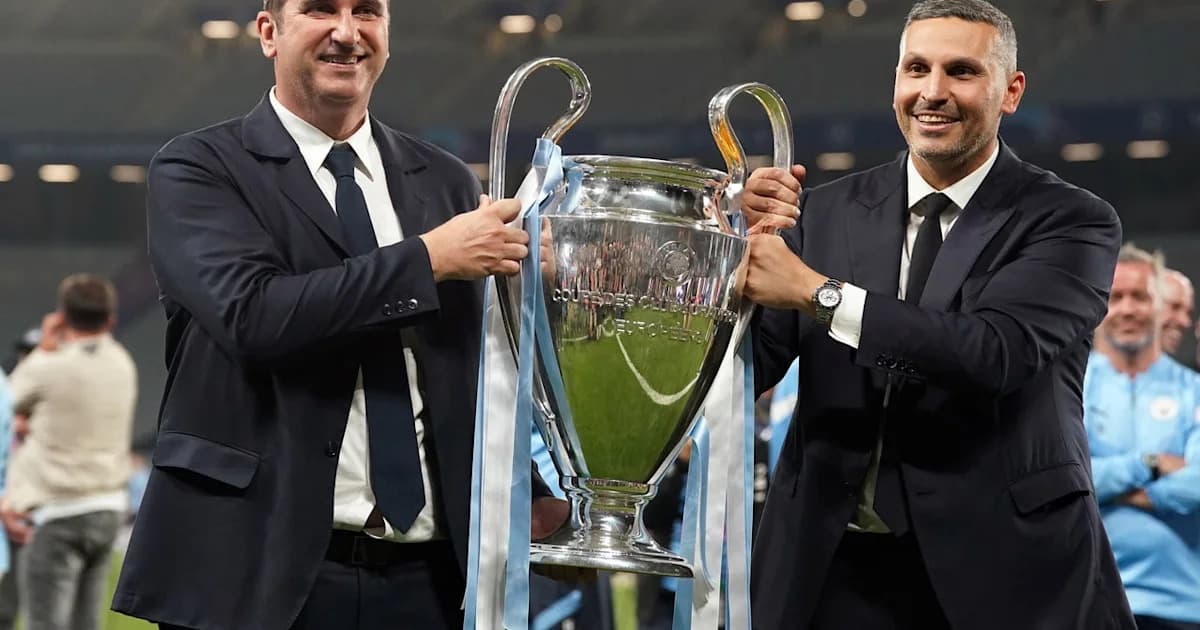
At a recent European Football Clubs assembly in Copenhagen, all eyes were on Ferran Soriano, Manchester City's CEO, who appeared unusually withdrawn. Some attendees thought he was pretending to be on calls just to avoid conversations amid the fallout from the Premier League's damning report on City's misconduct.
Soriano's reaction was strikingly defiant. He claimed the club was facing a conspiracy and vowed to take every step necessary to protect its reputation and seek compensation if harmed. His tone seemed at odds with the weight of evidence presented against City, leaving many within football circles perplexed and labeling the club's response as delusional rather than defiant.
The Weight of Evidence and Legal Battles Ahead
The Premier League's findings point to what might be the most elaborate system of cheating football has ever seen. Despite Manchester City's considerable legal resources, overturning this comprehensive decision would require exceptional circumstances. Past appeals, such as their 2020 UEFA case, succeeded on procedural technicalities rather than disproving the facts—something unlikely to shift public opinion this time.
This scandal could lead to a historic re-examination of half the Premier League's records, comparable only to major incidents like the Tour de France doping cases or the World Cup bidding controversies involving Qatar and Russia.
Geopolitical Stakes Add Complexity
The case is not just about sport but geopolitics, given the involvement of Abu Dhabi's ownership. Emails leaked suggest the owners might risk bringing down the entire Premier League if they cannot operate on their terms. This attitude reflects a sense of entitlement and power that has alarmed many observers.
The connections between City's ownership and wider geopolitical issues, including arms embargo violations in Yemen and Syria, add a troubling dimension to the scandal. It raises questions about how football allowed such autocratic influences to embed themselves in the game's fabric.
A Turning Point for Football and the Premier League
Many see this as a reckoning not only for Manchester City but for an era defined by relaxed regulations and hands-off attitudes toward club ownership. Former Premier League chief executive Richard Scudamore's approach of minimal interference is now facing serious consequences.
Existential issues that were once ignored have burst into the open, threatening to reshape the sport’s landscape. Although fears remain about Abu Dhabi's influence, the scandal feels too toxic to ignore, with City's reputation tarnished for years to come.
What Does the Future Hold?
The club's fans, despite their past celebrations, are now confronting the reality that their glory days may be forever tainted. The possibility of a sale looms, as Gulf states notoriously shun embarrassment. The question arises whether political capital will be spent to defend City's position or if football's independent regulator might force a change in ownership to restore integrity.
In the midst of all this uncertainty, one wonders if this marks a good or bad day for football. Perhaps both. A shift towards fan ownership could represent a positive outcome, yet the scale of this scandal stands alone in its severity.
- Event: Manchester City scandal announcement and reaction
- Date: September 30, 2026
- Location: Copenhagen, European Football Clubs general assembly
- Key Figures: Ferran Soriano (Man City CEO), Khaldoon Al Mubarak (Man City chairman), Richard Scudamore (former Premier League CEO)
- Comparisons: Tour de France doping scandal, Qatar/Russia World Cup bidding scandal