Luis Díaz Watches Barranquilla Upset Junior in Thrilling Colombian Cup
Luis Díaz is supposed to be on holiday. World Cup miles in his legs, a record move to Bayern Munich already behind him, special leave granted. Feet up, phone off, beach. That would be the script.
Instead, on a humid Barranquilla night, he was back where it all began, watching his two former clubs tear into each other and produce the kind of cup tie that keeps a footballer’s pulse racing long after the final whistle.
A City Split by a Cup Draw
Junior FC against Barranquilla FC is not a normal first‑round pairing. It is a collision of a city’s footballing ecosystem.
Junior are the giants of the Caribbean coast, reigning champions and the region’s pride. Red and white stripes, big crowds, big expectations. They are the club that carried Díaz from the streets of La Guajira into the national spotlight.
Barranquilla FC live in a different world. Second division. Modest crowds. Founded in 2004 as a talent factory and effectively Junior’s reserve side, their job is usually to supply, not to slay.
Yet Colombian cup rules allow these intertwined clubs to meet. This time, the draw did not care for sentiment. Junior versus Barranquilla in round one. Master against apprentice. Flagship against feeder.
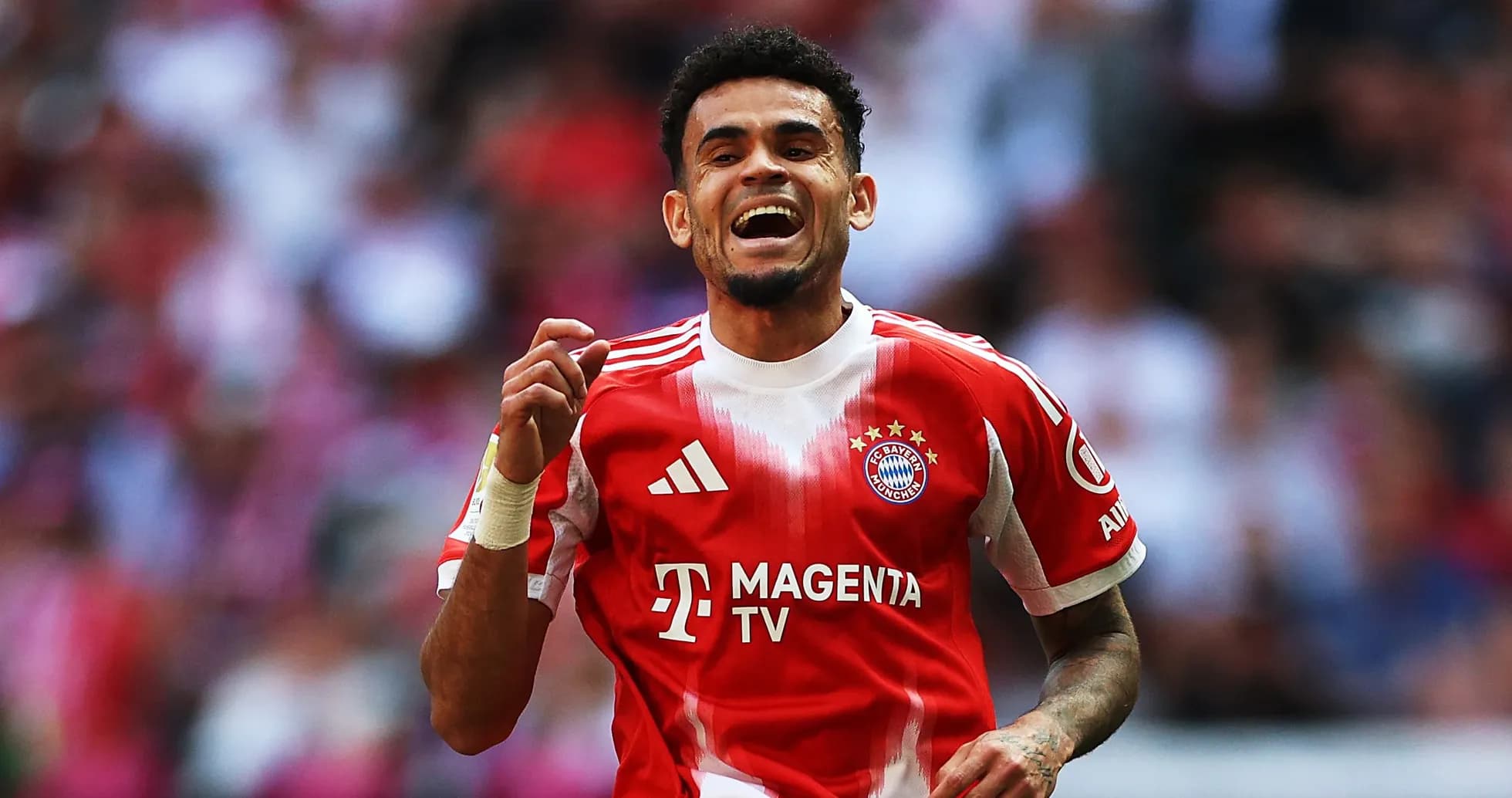
From these two shirts, careers have launched across the Atlantic. Carlos Bacca went from Barranquilla to Junior to Europe. Teófilo Gutiérrez did the same. Díaz followed the path: Junior, then Porto, then Liverpool. Now, at 29 and worth 70 million euros to Bayern Munich, he returned as the most decorated son of this footballing family.
He did not come to play. He came to watch. And he picked a storm of a night.
Underdogs Refuse to Bow
The tie was already simmering. The first leg had finished 2-2, Barranquilla refusing to play the role of dutiful understudy.
In the return, the second‑tier side went one step further. They led 3-2 and held that advantage deep into the game, staring down the champions with a mix of fearlessness and youthful stubbornness. Junior, with the weight of expectation and history on their backs, chased.
The tension finally snapped in the 88th minute. A handball in the box, the referee pointing to the spot, and up stepped Luis Muriel. At 35, with years in Europe behind him at clubs like Atalanta and Sevilla, Muriel has seen too much to blink in a moment like this. He buried the penalty. 3-3 on aggregate. The favourites had life.
For most underdogs, that would be the cue to crumble. It did the opposite to Barranquilla. They reset, regrouped and dragged the tie to a penalty shootout with the kind of composure that hinted this was their night.
Goalkeepers Take Centre Stage
Penalty shootouts often belong to the stars. This one belonged to the goalkeepers.
Sebastián Guerra, in Junior’s goal, struck first in the duel within the duel. He flung himself to save one of Barranquilla’s early efforts, a moment that seemed to tilt the contest back towards the champions.
Yet across from him stood 20‑year‑old Yesid García, Barranquilla’s keeper, with ice in his veins and a different script in mind. When his turn came not to save, but to shoot, he did not smash or snatch at the ball.
He floated it.
A Panenka. In front of the champions. In a shootout. From the reserve team’s goalkeeper.
The ball arced gently into the net as Guerra dived away. It was audacious, almost disrespectful, and it sent a jolt through the stadium. Barranquilla were not just surviving; they were expressing themselves.
The shootout tightened. Nerves frayed. Then Guerra walked from his line to the spot again, this time with the ball under his arm and the weight of Junior’s hopes on his shoulders. He struck cleanly, scored, and with it ended the champions’ defence of the cup in the first round.
The feeder club had knocked out the flagship. The reserve side had eliminated the reigning champions. The hierarchy, for one night at least, was turned upside down.
Díaz in the Stands, Home One Last Time
All the while, the cameras kept hunting for one face.
Luis Díaz sat in the stands, a small handheld fan buzzing in his grip as he tried to fend off the tropical heat. Sweat on his brow, eyes fixed on the pitch, he watched the clubs that shaped him trade blows in a cup tie that will live long in local memory.
He had left this footballing corridor years ago, bound for Porto, then Anfield, now Munich. Yet here he was again, back in Barranquilla, watching a 20‑year‑old goalkeeper from the “reserve” club chip a Panenka and a seasoned No. 1 for Junior take the decisive kick.
It felt like a perfect closing scene to his summer at home. Drama, risk, defiance – the very qualities that once carried him out of this city and onto the world stage.
On 1 August, Díaz will board a plane and join Bayern Munich on their tour of Asia, trading the Caribbean humidity for a pre-season grind under new expectations and fresh scrutiny.
But before he goes back to the sharp end of European football, he has seen something that every superstar secretly craves: proof that the place he came from still burns with the same wild, unfiltered love for the game that made him.