Liverpool's Evolution: Salah's Departure and the Future of Anfield
Liverpool once vowed never to grow old together again.
Under Jurgen Klopp, the warning signs had been clear: a great side allowed to drift beyond its peak, sentiment winning too many arguments in the transfer room. The correction was brutal and necessary. Alexis Mac Allister, Dominik Szoboszlai and Ryan Gravenberch arrived in one hit, a midfield rebuilt almost overnight.
It looked chaotic. It turned into a title-winning core.
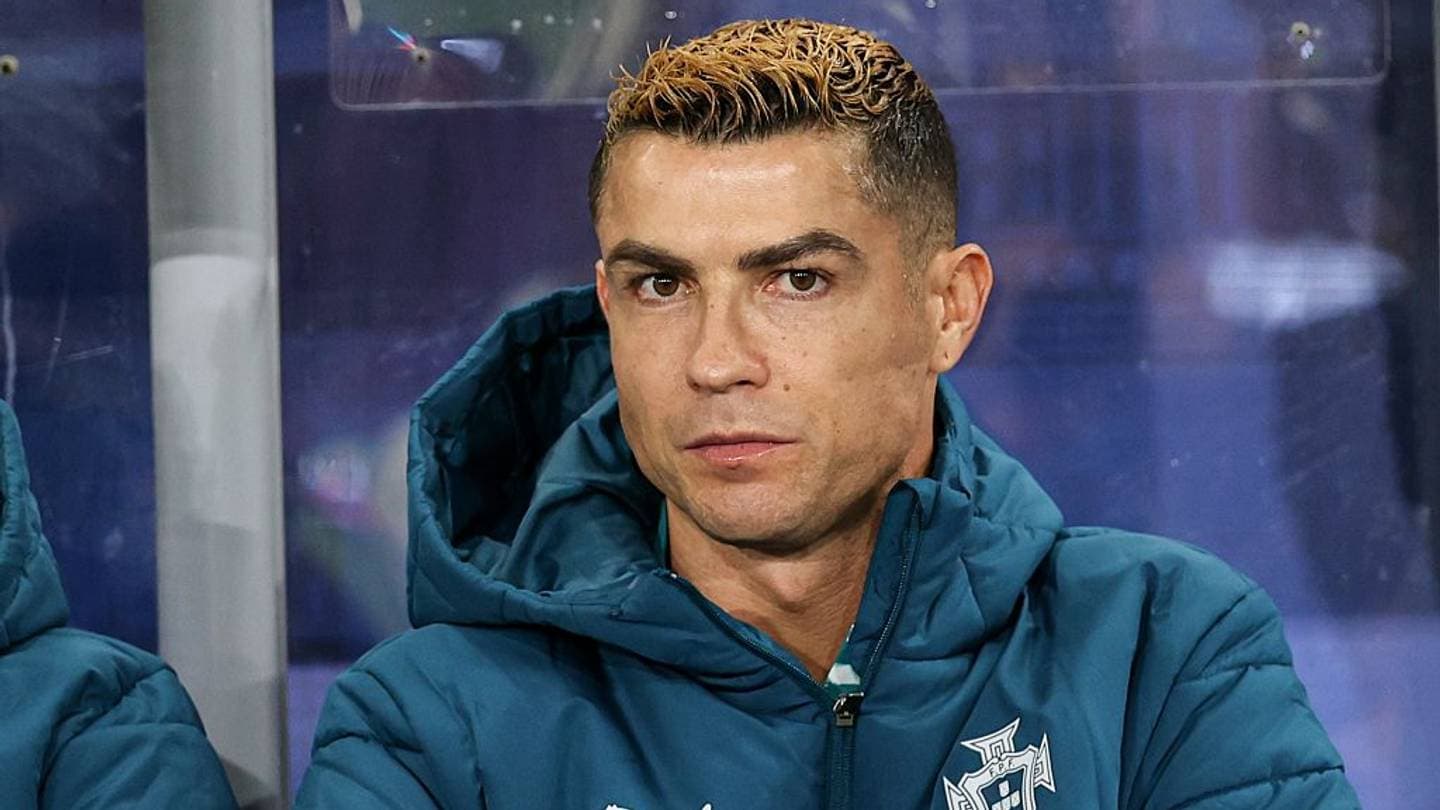
That is the context in which Mohamed Salah’s latest move has to be judged. The 34-year-old, once the unstoppable spearhead of Klopp’s heavy-metal Liverpool, now belongs to a club that finished third in the Turkish league last season. For a player who spent years defining the sharp end of the Champions League, it is a destination that has left plenty of eyebrows raised and plenty of questions hanging in the air.
This is not about rewriting his legacy. Salah is a Liverpool legend. That status is banked, untouchable. But legends age, even the relentless ones. And Liverpool, scarred by the memory of a team that stayed together one season too long, have clearly decided they cannot afford to repeat the same mistake on the right wing.
Salah’s final act at Anfield was messy. The tension around Arne Slot’s handling of him became a running story, and not a helpful one. The forward went public with his frustrations, talking of being dropped and “scapegoated” while the team floundered. Many pointed to that rift as the beginning of the end for Slot, a manager who never quite managed to convince that he could refresh an era without tearing at its fabric.
Salah’s departure, and his choice of club, has only deepened the sense that this was a relationship approaching its natural end. This is a player who squeezed one of his finest individual campaigns into the late stage of his Liverpool career, that gruelling 2022-23 push under Klopp when the side went deep in all four competitions. The cost of that season is still being counted. Bodies and minds were emptied. Form dipped. The decline that followed felt sudden, but the warning lights had been flickering for a while.
It is entirely possible Salah could still have started for Liverpool on the opening day of the new season. In fact, given the lack of seasoned alternatives in that role, he might have been the obvious choice. But obvious and optimal are not the same thing for a club trying to stay ahead of the curve.
Jamie Carragher once said players should “leave the football before the football leaves you”. At Liverpool now, the logic has shifted slightly: leave the footballer before the footballer leaves you. Move a hero on while he can still command a role elsewhere, rather than waiting until he becomes a problem to solve.
That is the cold edge of elite planning. It is also what Liverpool failed to do last time.
The search for the next right-sided talisman has already begun. Links to PSG’s Ibrahim Mbaye have surfaced, while reports suggest Bradley Barcola remains firmly on the radar. Both would represent a clear stylistic break from the Salah era: younger, rawer, and carrying the kind of upside Liverpool’s recruitment department has always craved when at its sharpest.
This is what “fresh ideas” looks like in practice. Not just a tactical tweak, but a willingness to walk away from a player who once felt irreplaceable, and to live with the short-term pain of auditions, adaptation and risk.
Salah’s move to Turkey underlines a simple truth. Liverpool did not push him out at his peak. That peak has already been and gone, defined by goals, trophies and nights when he seemed to bend the sport to his will. What they have done, this time, is recognise the downward slope early enough to act with clarity rather than nostalgia.
He leaves as one of the greatest forwards the club has ever seen, his name woven into the modern history of Anfield. But the direction of his career now, and the level he has chosen, make one thing unmistakably clear.
For Liverpool and for Salah, it was time. The real story now is whether the club has learned enough from the past to ensure that the next great Anfield forward line is allowed to peak – and then be broken up – on their own terms, not football’s.