
Liverpool Faces Turbulence as Edwards Resigns
Liverpool have grown used to turbulence on the pitch. Now the real storm is upstairs.
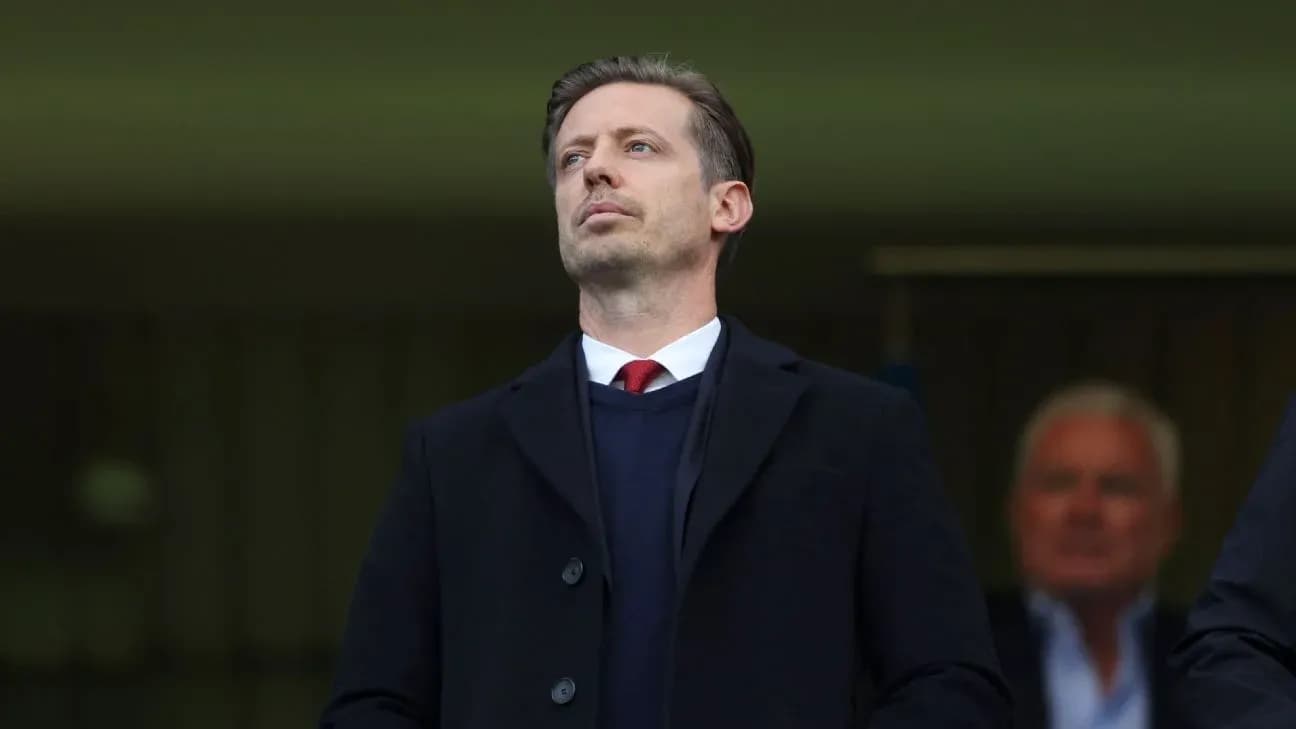
Michael Edwards, the architect of much of Liverpool’s modern success and the man FSG turned to for their next big project, has walked away with a year still to run on his deal. His resignation lands abruptly, and it leaves a sizeable hole at the heart of the club’s football operation.
Edwards walks, Gordon steps in
Edwards returned to Fenway Sports Group in 2024 in a newly created role as chief executive officer of football, charged with leading an ambitious push to acquire a second club for the ownership group. The brief was clear: build a multi-club model to sit alongside Liverpool.
That project stalled. After months of work, and with no meaningful progress on adding to FSG’s portfolio, Edwards has decided he has had enough. He departs immediately.
In the short term, the response is familiar. FSG president Mike Gordon is expected to move closer to the controls again, taking a more hands-on role in Liverpool’s day-to-day running. Gordon has long been the key link between Boston and Anfield; he now becomes even more central at a moment when the club’s football structure is being reshaped yet again.
A club in transition on every level
The timing underlines the sense of flux around Liverpool.
Arne Slot has already gone, replaced as head coach by former AFC Bournemouth manager Andoni Iraola. The dugout has changed; the hierarchy above it is now shifting too. Questions are also circling around sporting director Richard Hughes, the man who brought Iraola in and whose own contract runs until the summer of 2027. He has been linked with Saudi Pro League side Al Hilal, and the uncertainty over his long-term future only adds to the unease.
This is not a minor reshuffle. It is a structural reset.
FSG, for their part, framed Edwards’ exit as orderly. In a statement on Friday they called it “the culmination of a planned transition following the completion of key strategic priorities.” Behind that polished line, though, lies a different story: sources indicate the American owners tried and failed to persuade Edwards to stay once he made clear his frustration at the lack of movement on the multi-club front.
A multi-club dream that never took off
The scale of the search shows how serious FSG were about expanding. They examined more than 20 potential acquisitions, with French side Bordeaux and Spanish club Málaga among those considered. The idea was to build a wider football network that could support and complement Liverpool.
The pressure finally told. The portfolio never grew, and earlier this year FSG shelved the plan to add another team. For Edwards, whose remit was to drive that expansion, the dead end became decisive.
He leaves having already written a significant chapter in Liverpool’s recent history. As sporting director under Jürgen Klopp, he helped construct the squad that powered the club back to the summit of English football, culminating in the Premier League title in 2025 and a broader overhaul of Liverpool’s football operation.
Edwards’ final word
In his parting statement, Edwards struck a tone of pride and closure rather than conflict.
“It has been a privilege to return to Fenway Sports Group and Liverpool Football Club at such an important moment,” he said, stressing his belief that Liverpool remain “in a strong position, with outstanding people, a clear direction and the foundations in place for continued success.”
He spoke of his excitement at guiding Liverpool through “an important period of transition” and at shaping FSG’s “wider football ambitions,” while acknowledging that the broader project “ultimately evolved differently to how we had originally envisaged.” He highlighted the work done in presenting ownership with “a broad range of thoughtful and well-developed options for the future,” and closed with thanks to Mike Gordon, John Henry, Tom Werner, colleagues across FSG and Liverpool, and above all the supporters whose passion, he said, makes the club “so special.”
The words were gracious. The reality is starker.
Liverpool now move into a new season with a new head coach, doubts over their sporting director and the departure of the executive FSG trusted to shape their next era. The question is no longer whether the club is in transition.
It is how quickly they can turn this upheaval into a coherent plan before the consequences show on the pitch.





