Michael Edwards Resigns as FSG Football Chief: Liverpool Faces New Challenges
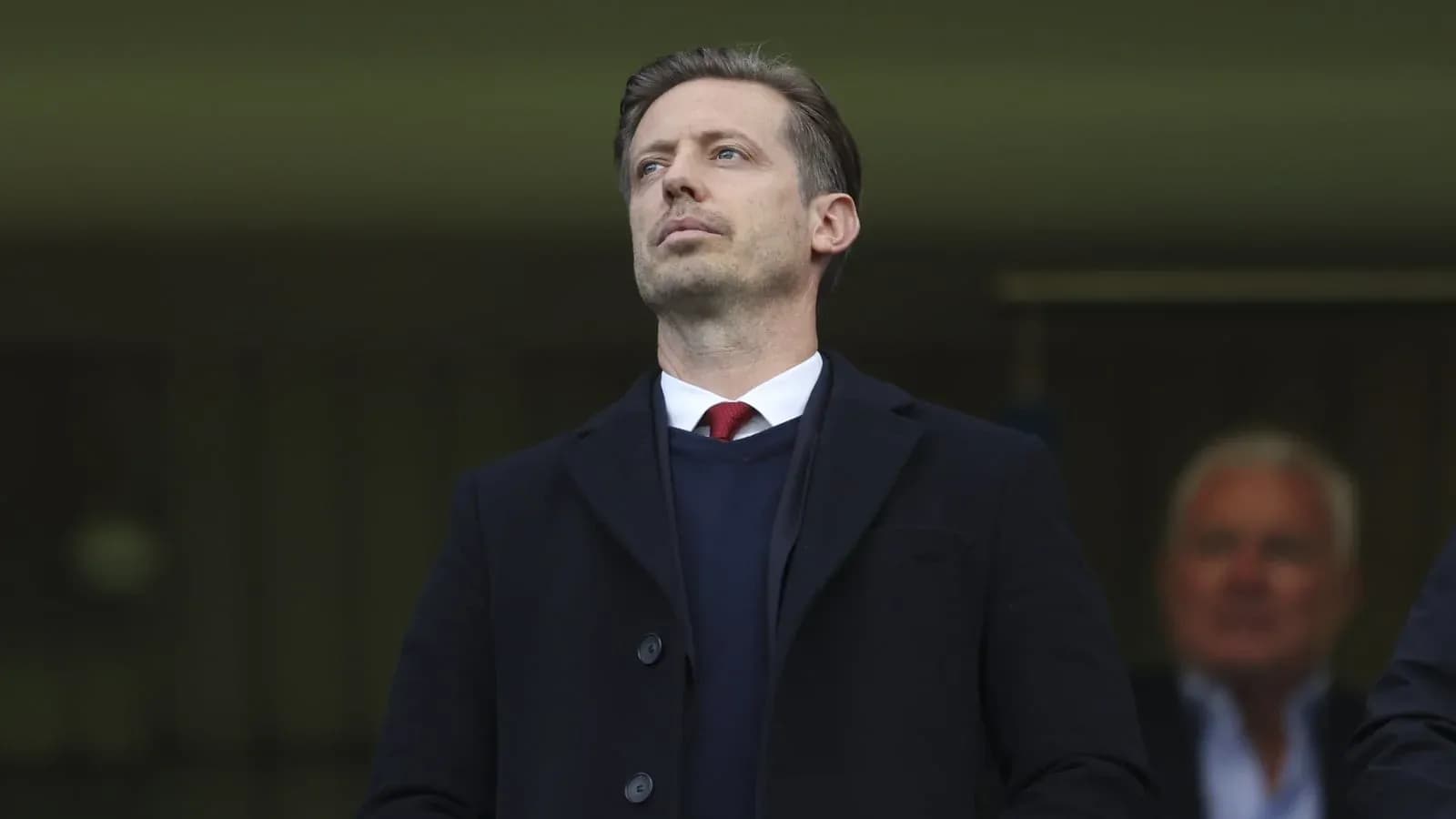
Michael Edwards has resigned as Fenway Sports Group’s chief executive of football, walking away from a role designed to shape Liverpool’s future and a wider multi-club empire that never truly got off the ground.
For Liverpool’s ownership, it is another jolt at executive level at a time when stability is supposed to be the watchword.
A grand plan that never materialised
Edwards, the architect of much of Liverpool’s modern success during his spell as sporting director, returned to FSG in a more powerful position two years ago. Jurgen Klopp’s departure framed the timing: this was meant to be the next phase, with Edwards tasked with overseeing a multi-club model and steering the post-Klopp transition.
That grand project stalled. Late last year, FSG quietly parked their multi-club ambitions. Once that decision landed, the dynamic changed. Edwards, whose remit had been built around that broader vision, informed the owners he wanted to leave. Attempts to convince him otherwise failed.
The result is stark. A year still left on his contract, yet another influential figure heading for the exit.
Leadership vacuum growing
His departure comes with fresh uncertainty over sporting director Richard Hughes, who has been linked with a move to Saudi Arabia. If those rumours ever harden into reality, FSG would be left trying to replace two of the most important football decision-makers in quick succession.
For now, FSG president Mike Gordon will assume Edwards’ responsibilities. Gordon has long been a central, if low-profile, figure in Liverpool’s football operations, but taking on the full breadth of Edwards’ brief is a significant escalation.
The timing is delicate. Liverpool are already navigating life after Klopp. The club’s recruitment structure and strategic planning, once held up as a model of clarity and cohesion, now face a fresh round of questions.
Edwards bows out on his terms
In a statement, Edwards framed his exit as the end of a demanding but rewarding return.
"It has been a privilege to return to Fenway Sports Group and Liverpool Football Club at such an important moment," he said, insisting he leaves believing the club is "in a strong position, with outstanding people, a clear direction and the foundations in place for continued success."
He admitted the broader FSG project changed course from what had been envisaged, but stressed his pride in the work done to offer ownership "a broad range of thoughtful and well-developed options for the future."
The farewell was laced with gratitude. Edwards thanked Mike Gordon, John Henry, Tom Werner and the wider FSG operation, but saved his most pointed appreciation for the supporters, "whose passion makes this club so special."
"I will always be grateful to have been part of its story," he said.
FSG’s tribute – and a reminder of his impact
Gordon, who now steps into Edwards’ shoes, paid a fulsome tribute to a man he has worked alongside for years.
He hailed Edwards’ "extraordinary contribution," recalling how his return in 2024 came "at a pivotal moment for Liverpool," and how he embraced a wider leadership role across FSG’s football interests.
Across both spells, Gordon said, Edwards showed "exceptional judgement, integrity and an unwavering commitment to building a strong football organisation for the long term."
Gordon also pointed back to Liverpool’s historic English league title, describing it as an achievement to which Edwards "made an important contribution" during his earlier tenure. The message was clear: this is not just another executive leaving; this is one of the key architects of an era.
"We are naturally disappointed to see him leave," Gordon added, before thanking him on behalf of Henry, Werner and everyone at FSG and wishing him and his family well.
Another pivotal moment for Liverpool
Liverpool have lived through enough upheaval in recent seasons to know that change at the top can be as consequential as change in the dugout. Klopp’s exit demanded a careful, calculated response. Edwards’ departure tests that resolve again.
The club he helped reshape on and off the pitch now moves forward without him, with Gordon stepping in and Hughes’ future under scrutiny.
The structure that once looked unshakeable is being rebuilt on the fly. How quickly FSG can steady that framework may define Liverpool’s next chapter as sharply as any signing or tactical tweak.