Las Vegas Lights vs FC Tulsa: A Tactical Stalemate in the Desert
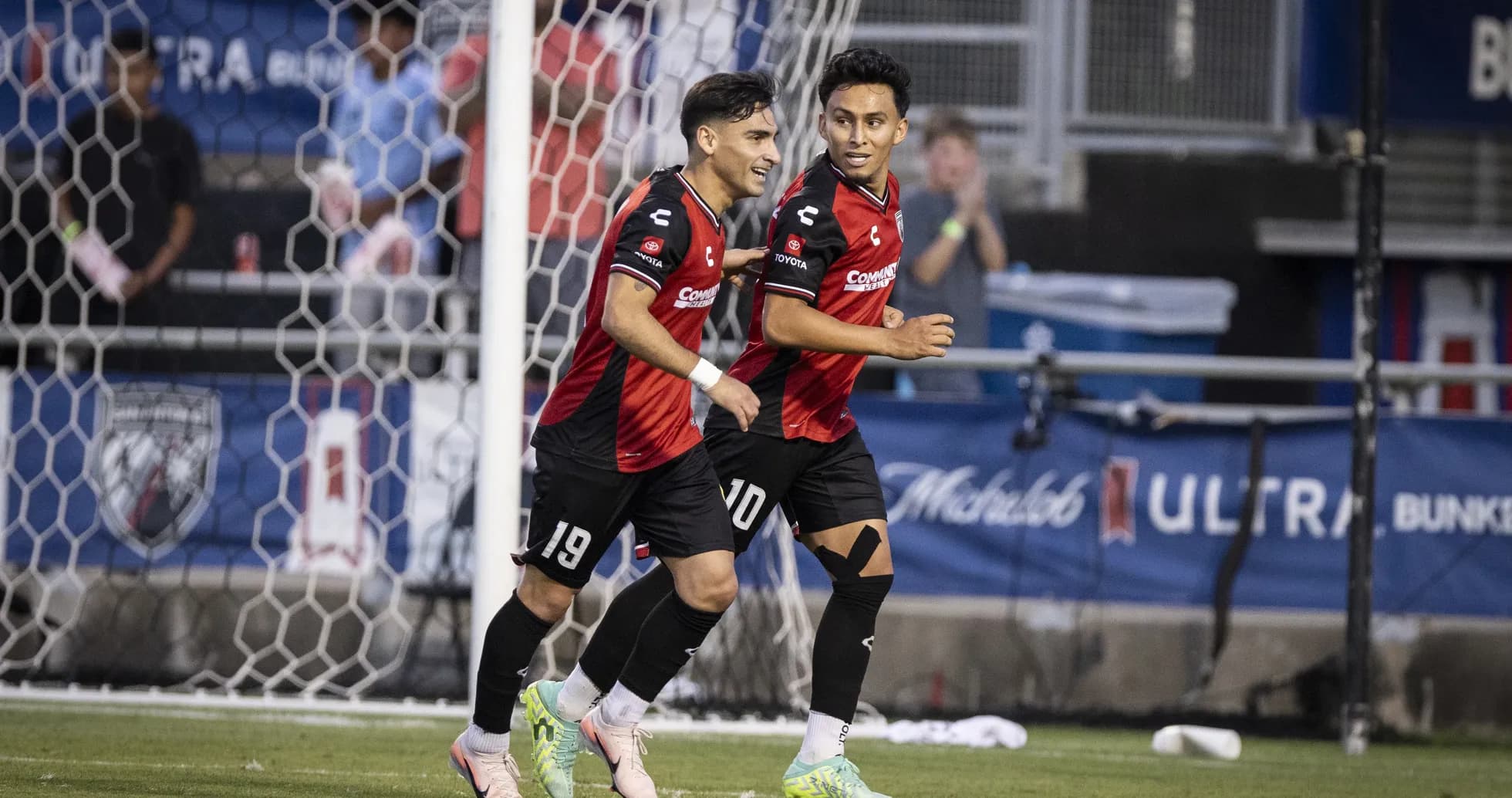
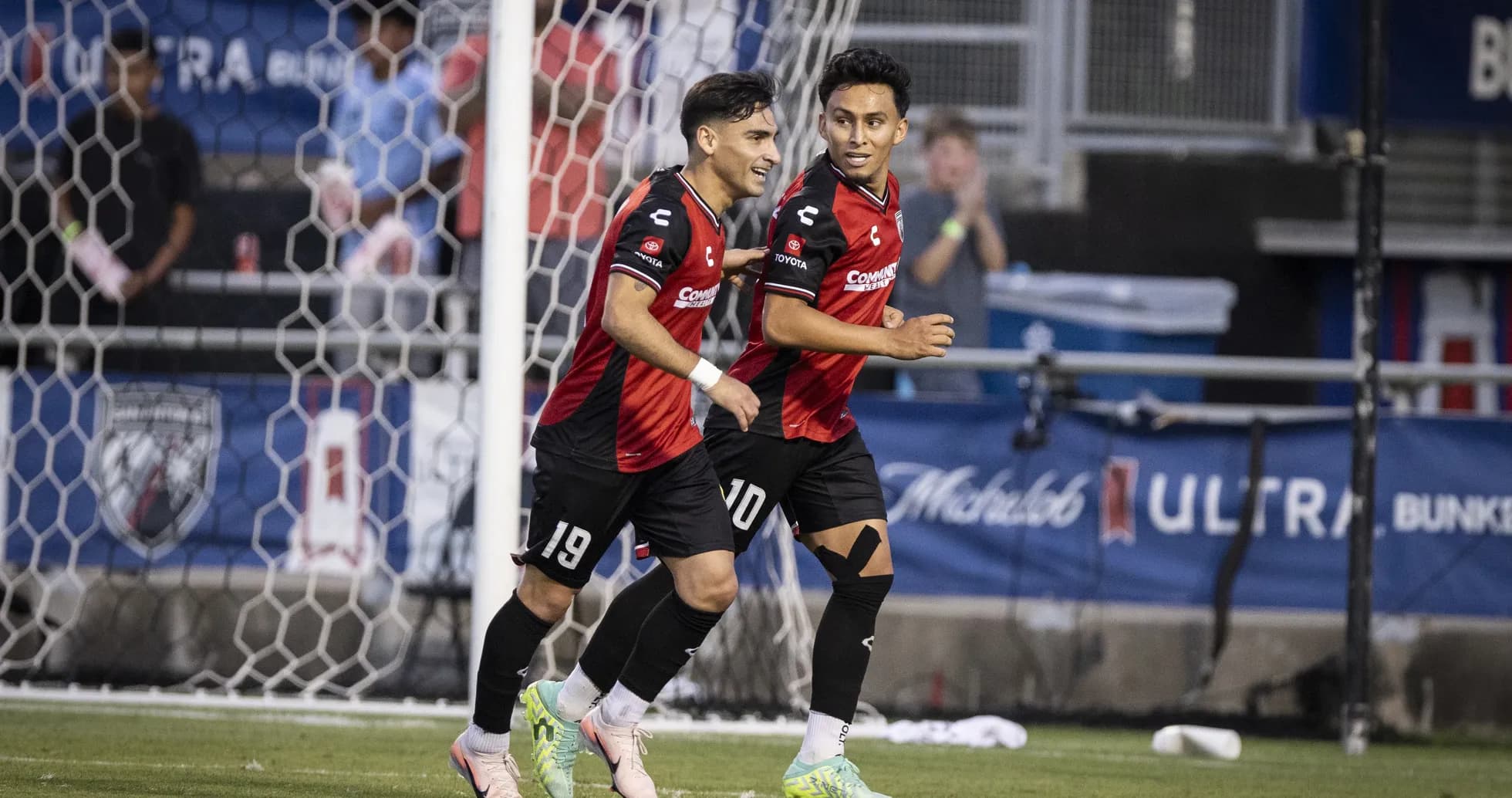
Under the desert lights of Cashman Field, Las Vegas Lights and FC Tulsa played out a goalless stalemate that said far more about structure and discipline than the 0-0 scoreline suggested. Following this result, the contrast between Las Vegas’s home comfort and Tulsa’s promotion-tilted consistency was distilled into 90 tight minutes, shaped by two coaches leaning into their sides’ seasonal DNA.
I. The Big Picture – Styles Collide in the Desert
Las Vegas arrived as a paradox: 11th in USL 1 with 12 points and a negative goal difference of -3 overall (16 goals for, 19 against), yet almost untouchable at home. At Cashman Field they had played 5, winning 3, drawing 2 and losing none, with just 2 goals conceded and 6 scored. Their overall attacking profile is modest but efficient: 1.5 goals per game in total, built on 1.2 at home and a far more open 1.7 on their travels. Defensively, they are two different teams – a stingy 0.4 goals against at home versus 2.8 away, giving them that -3 overall goal difference.
FC Tulsa, meanwhile, travelled west as a team with promotion ambitions. Third in the table with 16 points and a goal difference of +4 (13 scored, 9 conceded), they had built their campaign on balance and control. On their travels they had played 5, winning 2, drawing 2 and losing 1, scoring 7 and conceding 5 – an away average of 1.4 goals for and 1.0 against. Overall, they sat at 1.3 goals scored and 0.9 conceded per game, a profile of a side comfortable in tight, tactical encounters.
The 0-0 felt almost inevitable when those numbers met: Las Vegas’s defensive fortress at home against a Tulsa side that rarely gets blown away and is content to manage risk.
II. Tactical Voids and Discipline – Where the Edges Were Blunted
With no official absentees listed, both Devin Rensing and Luke Spencer were able to roll out close to full-strength squads. Yet the tactical voids were more conceptual than personnel-based.
Las Vegas’s season-long card profile hinted at a side that lives on the edge. Their yellow cards are heavily clustered, with 20.00% in the 16-30 minute range, another 20.00% between 31-45, a further 20.00% from 61-75, and 20.00% again from 76-90. There is also a late red-card spike, with 100.00% of their reds coming in the 76-90 window. Even without specific in-game card data here, the season pattern frames Rensing’s approach: aggressive pressing phases, especially around half-time and in the closing quarter-hour, always flirting with disciplinary trouble.
Tulsa’s yellow card map is more evenly spread but still peaks under pressure. They take 25.00% of their yellows between 61-75 and 21.43% between 76-90, underlining how their intensity and duels ramp up as they try to close games out. The absence of any red cards this season speaks to a controlled aggression that Spencer will be keen to preserve as promotion pressure grows.
In this match, those underlying tendencies likely produced a second half that was increasingly bitty and stop-start, with Las Vegas trying to inject chaos and Tulsa managing it without tipping into self-destruction.
III. Key Matchups – Hunter vs Shield, Engine Room vs Enforcer
Without explicit top-scorer data, the “hunter vs shield” dynamic has to be read through roles and seasonal context.
For Las Vegas, the attacking spearhead is embodied in the front line built around M. Arteaga and the support cast of J. Rodriguez, C. Pinzon and O. Anderson. At home, where Las Vegas average 1.2 goals scored and have a “biggest home win” of 2-0, that quartet forms the cutting edge of a side that prefers to strike in controlled bursts rather than constant waves. The presence of K. Scott and M. Ybarra in midfield adds the legs and passing angles needed to connect the thirds, allowing Las Vegas to commit numbers without completely exposing their back line.
The “shield” Tulsa brought is a defensive unit that has conceded only 9 goals in total this season, with just 5 on their travels. A. Tambakis in goal is the anchor, protected by a back line including L. Stauffer, Ian, A. Clarke and L. Batista. Their away defensive average of 1.0 goals against per match, coupled with clean sheets in 1 away game and 3 overall, paints a picture of a unit that is hard to disorganise. Tulsa’s biggest away win, 1-4, also signals their comfort in absorbing pressure before striking decisively in transition.
In the engine room, the duel between Las Vegas’s central operators – notably K. Scott and M. Ybarra – and Tulsa’s midfield triangle of G. Robinson, B. Sparks, J. Webber and J. Kocevski shaped the tempo. Tulsa’s season-long tendency to fail to score in 4 of their 10 matches overall, including 2 away, suggests that when their midfield is stifled, they can be blunted. That appears to have been the case here: Bruno Lapa and N. Pierre, the creative and vertical threats, were kept on the periphery often enough that Tulsa’s usual 1.4 away goals per game never materialised.
On the benches, both coaches had change-of-pace options. Las Vegas could turn to B. Mines for direct running, B. Ofeimu to tighten the back line, and A. Okyere or G. Probo to adjust the midfield balance. Tulsa had R. Cabral and G. Colli as attacking variations, R. Somersall and A. Cissoko to lock down central spaces, and Z. Siranga as a late-game runner. The pattern of their season card distributions suggests that any late injection of energy would have come with a risk of fouls and cautions, particularly in that 61-90 window where both teams historically ramp up their physicality.
IV. Statistical Prognosis – What This 0-0 Tells Us
Following this result, the numbers still frame Las Vegas as a home specialist. Their record at Cashman Field remains undefeated, built on that 0.4 goals-against average and now another clean sheet added to the 3 they already had at home. The draw reinforces the idea that if they can simply translate a fraction of their home defensive solidity into their away form – where they concede 2.8 per game – their -3 overall goal difference can be repaired.
For Tulsa, the goalless draw is an affirmation of their defensive solidity rather than an indictment of their attack. They stay aligned with their season averages: conceding at a rate below 1 goal per game overall, maintaining control away from home, and leaning on a risk-averse structure that keeps them firmly in the promotion conversation. The fact they have scored 13 and conceded 9 overall, with a +4 goal difference, remains a healthy platform.
From an xG lens – even without explicit figures – the clash likely skewed toward low-to-mid expected goals for both sides: Las Vegas probing but running into Tulsa’s compact block, Tulsa generating their usual transition looks but not enough volume to break a home defence that rarely cracks. The stalemate is less a missed opportunity and more a logical meeting point of two identities: Las Vegas the home bunker with flashes of incision, Tulsa the promotion chaser who trusts their defensive base.
As the group stage of the USL Championship grinds on, this 0-0 will be remembered less for missed chances and more for what it confirmed. Las Vegas Lights are building a fortress in the desert; FC Tulsa are quietly, methodically, constructing a promotion push on the back of one of the division’s most reliable defensive structures.