Kobbie Mainoo's World Cup Absence: A Missed Opportunity for England
Kobbie Mainoo arrived at this World Cup as one of the stories of England’s season. The Manchester United midfielder had dragged his club over the line in the 2025/26 run‑in, helped secure Champions League football, and forced his way into the national squad on merit, not hype.
Then the tournament started. And he vanished.
Not from the bench, of course. From the pitch. From the plan. From Thomas Tuchel’s trust.
From rising star to unused option
Nobody seriously expected Mainoo to walk into England’s midfield. Tuchel had nailed his colours to Declan Rice and Elliot Anderson early, and that pairing always looked like his starting platform.
But tournaments are long. Legs tire. Games change. Managers usually turn to fresh energy, especially when the team labours against stubborn opponents.
Mainoo never got that call.
Across the group stage and beyond, England hit patches where they struggled to break teams down. The kind of moments where a sharp, technically secure midfielder, comfortable receiving under pressure and punching passes between the lines, becomes invaluable.
Still nothing. Not a minute.
The omission quickly became one of the World Cup’s recurring talking points back home. Cameras lingered on Mainoo after games, his expression giving away what the team sheet already had. Disappointment. Frustration. A sense of being on the inside, yet not really part of it.
The week everything was supposed to change
According to a report in The Daily Mail, there was a point when the story looked set to flip.
In the build-up to England’s second group match against Ghana, Rice began to struggle with fitness. Jordan Henderson was injured. The door, finally, seemed to open.
Training that week told its own tale. Mainoo was used in central midfield alongside Anderson, a clear sign, within any camp, that a manager is at least weighing up a change. Inside the squad, the feeling grew that the United youngster was “in line to feature”.
Then Tuchel shut it again.
As the report outlines, the England manager “had not liked what he saw” in that period. Whatever doubts he had about Mainoo’s readiness, mentality or suitability for the role hardened rather than softened. When the team sheet dropped for Ghana, the teenager’s name was nowhere near the XI. It stayed that way for the rest of the tournament.
A player apart
The picture painted of Mainoo’s World Cup is a stark one.
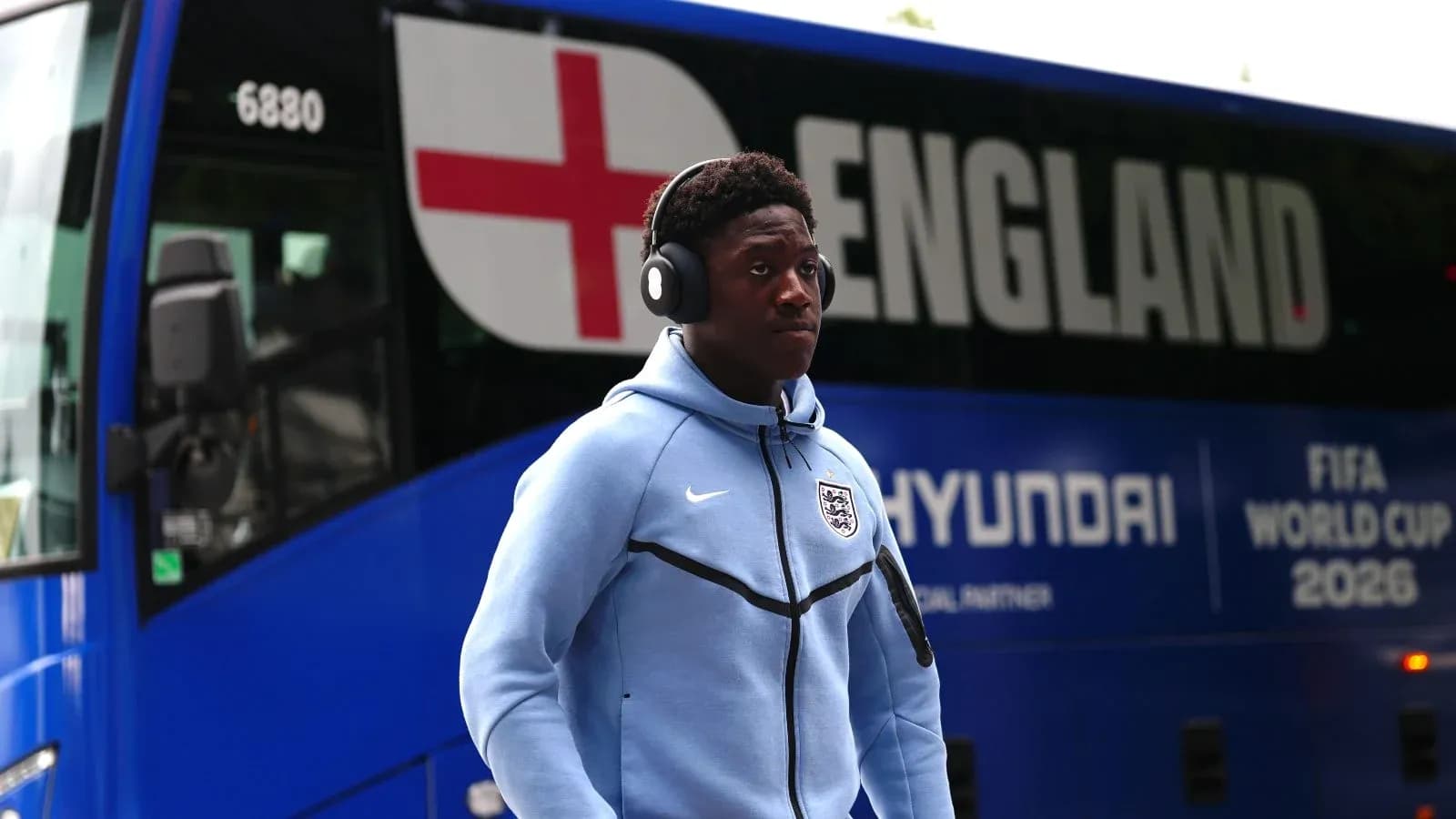
The Mail notes he was “the first player to leave the stadium, always alone and with headphones in” after almost every match. The Athletic echoed that tone, describing him as “unhappy” and “often the first player back on the team bus”.
This was not a youngster wide‑eyed and grateful just to be there. This was a player who expected to compete, who believed he could help, and who then had to live with the reality that his manager did not share that belief.
Inside the camp, according to The Athletic’s reporting, there was confusion over what Tuchel actually wanted from Mainoo at this World Cup. One source wondered if the England boss had simply viewed him as a development passenger, a talented kid content to soak up the experience. Others felt the United midfielder “had simply not done enough to earn Tuchel’s trust”.
Both readings end in the same place: a total lack of clarity over his role.
Trust, or the lack of it
If there was any lingering doubt over where Mainoo stood in the pecking order, Tuchel’s late‑tournament decisions removed it.
When Rice’s fitness visibly dipped and England needed to reshuffle, the manager turned not to his specialist central midfielder, but to a defender. Reece James was pushed into midfield ahead of Mainoo, a move that sent a brutal message about hierarchy and faith.
This, remember, was despite a source close to the camp insisting Mainoo had trained well.
For a young player, there are few more jarring realities than watching a teammate from a different position leapfrog you into your own. It told Mainoo everything he needed to know about how Tuchel viewed him in that moment: talented, yes, but not yet trusted to carry the responsibility of England’s midfield on a World Cup stage.
An England question that won’t go away
Tuchel has become an easy lightning rod for criticism after England’s campaign, and his handling of Mainoo has fed that storm. The optics are damning: a form midfielder from one of Europe’s biggest clubs, taken to the World Cup, never used, even when the system creaked and the starters faded.
Inside the England setup, the logic may feel more nuanced. Managers live and die by instinct, by the small details they see in training, by split-second judgments about temperament and readiness that never make the public domain.
But the facts remain simple. Kobbie Mainoo arrived at this World Cup on the crest of a club surge, earned his seat on the plane, and left without a single competitive touch of the ball.
The next time England gather, the question will hang in the air: was this just a misread tournament for a young midfielder, or the first crack in the relationship between one of the country’s brightest talents and the man in charge of his international future?