
Kenya's Heavy Defeat to Morocco: A Call for Calm
The scoreboard in Rabat was brutal. Kenya 0, Morocco 4. An opening-night thumping in Group A of the 2026 Women’s Africa Cup of Nations, and with it a flood of anger and anxiety from home.
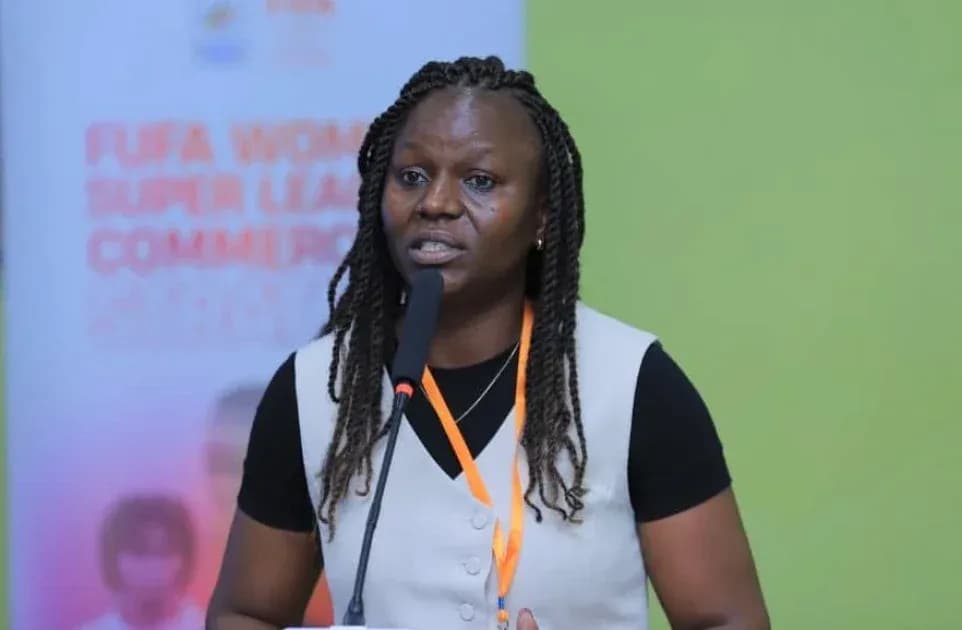
From her office in Salé, just across the river from the Moroccan capital, Doreen Nabwire watched the reaction build. The former Harambee Starlets captain, now a FIFA Women's Football Development expert, chose not to join the outrage. She chose to steady the ship.
“Kenya did not qualify for this tournament by chance; the players earned their place through hard work,” she reminded Kenyan journalists, her tone firm rather than defensive. The message was clear: this is not the moment to turn on the team.
Morocco’s Rise, Kenya’s Reality
Morocco, the hosts, are not just another opponent. They are a project.
“Morocco are a quality side. They have been intentional in their preparations, and they are among the top-ranked teams on the continent,” Nabwire said, underlining the gulf in investment and long-term planning that played out on the pitch.
Their sights are set well beyond WAFCON. “Their ambition goes beyond Africa. They are targeting the FIFA Women's World Cup and striving to establish themselves on the global stage.”
Kenya ran into a machine that has been built carefully and funded properly. That does not excuse the result, but it explains the scale of the challenge.
Belief in a Response
Yet Nabwire refused to treat the 4–0 defeat as a death sentence for Kenya’s campaign.
“I strongly believe we have a good chance against Senegal and Algeria, and we can still turn things around,” she insisted. The group is not closed, not yet. Two games remain, and six points are still on the table.
“Although the opening result was disappointing, our focus now should be on the remaining two group matches. If we can collect maximum points, we still have a chance of progressing.”
The task is simple on paper: beat Senegal, then beat Algeria. In reality, it demands something deeper — tactical corrections, mental resilience, and a squad that can block out the noise from home.
A Game Growing Faster Than Its Foundations
Nabwire has seen Kenyan women’s football grow from the margins to the continental stage. She also knows that the sport is now moving faster than the structures meant to support it.
“We have reached a stage where women's football is growing at a remarkable pace, and we must dare to dream. We should aim to qualify for the World Cup,” she said.
Then came the harder truth.
“However, success depends on much more than what happens on the pitch. Winning matches is only one part of the many other factors that contribute to success.”
This is where her experience kicks in. In 2009, she became the first Kenyan woman to play professional football in Europe when she joined SV Werder Bremen in Germany. She later turned out for PEC Zwolle in the Netherlands. She has seen what a proper football environment looks like — and how far Kenya still has to go.
“We must ensure that everything outside the pitch is taken care of before expecting players to deliver results,” she stressed. “We continue to face challenges with infrastructure, coaching and issues surrounding players' allowances. These are important factors because they directly affect motivation and performance.”
Creating a Team That Can Truly Compete
For Nabwire, the conversation cannot stop at formations and substitutions. It has to include pitches, pay, and planning.
“If we want to compete at the highest level, we must create the right environment for our players. Everything has to be in place to enable them to step onto the pitch, compete effectively and represent the country with confidence.”
That is not theory for her. It is the product of more than 15 years around the national team, watching generations of talent squeezed by the same old problems.
She still believes this group can respond. Fix the tactical errors. Tighten up the details. Fight for a quarter-final place. But she also knows that without structural change, every tournament will feel like an uphill sprint.
Facing the Backlash
The 4–0 loss to the hosts triggered a familiar storm on social media. Criticism turned quickly into condemnation. Some questioned the players’ desire, others the very value of the team.
Nabwire pushed back.
“In football, there are three possible results; you win, draw or lose. When we win, everyone celebrates, but when we lose, people should understand that it is part of the game,” she said.
Her point was not to sugar-coat the defeat. It was to demand perspective.
“We must learn from our mistakes, identify what went wrong, work on those areas and come back stronger.”
That is the challenge now: to turn a humiliation into a hinge moment, not a habit.
Senegal Next, and No Margin for Error
There is no time to sulk. Kenya face Senegal at the Olympic Stadium on July 30, with kick-off at 8:00 PM Kenyan time. On the same night, Morocco meet Algeria at Moulay El Hassan Stadium at 11:00 PM Kenyan time — a fixture that could shape the entire group.
For the Harambee Starlets, the equation is brutally straightforward. Beat Senegal or drift towards the exit.
The defeat to Morocco exposed the gap between Kenya and a rising powerhouse. The next two matches will reveal something else: whether this Kenyan team, and the system behind it, are ready to fight for the future Nabwire keeps insisting they can reach.





