Jermain Defoe's Abrupt Exit from Woking Management
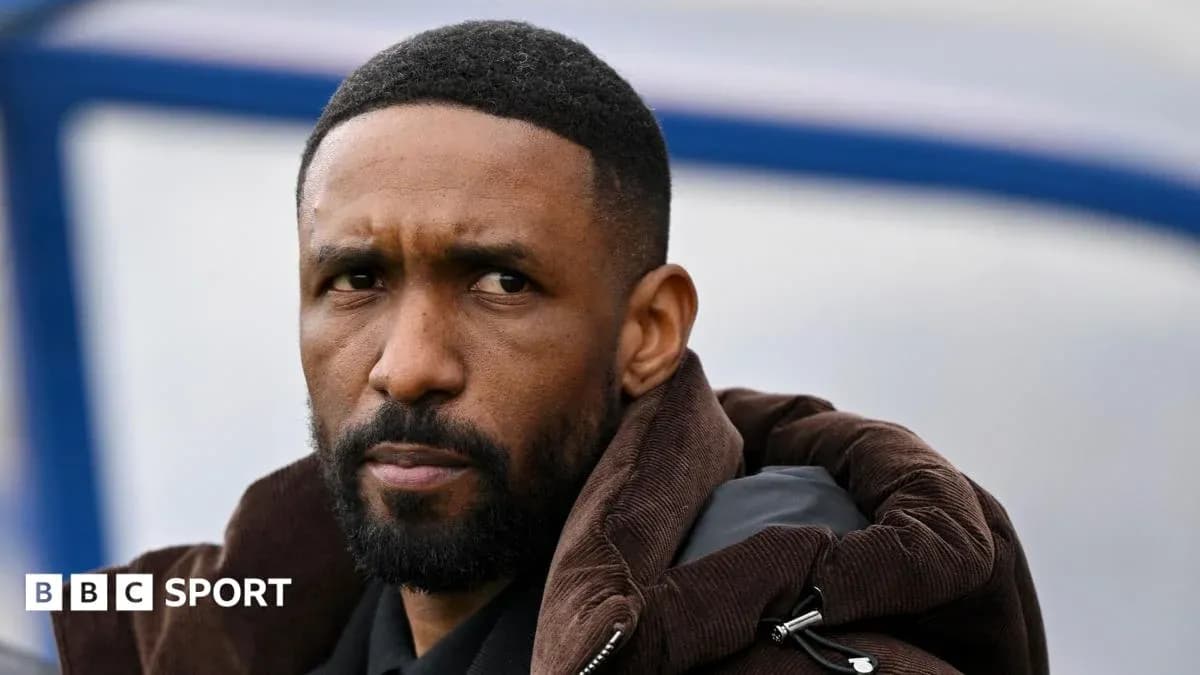
Jermain Defoe’s brief first step into full-time management has ended abruptly, and Woking’s director of football Jody Brown has lifted the lid on the unease that had been building behind the scenes.
The National League club and the former England striker “mutually agreed to part ways with immediate effect” earlier this week, just four months and six league games into Defoe’s reign. The timing is stark: Woking open their new season against Sutton United in a fortnight. Their manager has gone, and the questions have arrived.
Enthusiasm in public, doubts in private
Inside the club, the mood music did not match Defoe’s upbeat tone.
“Jermain's feedback was always positive, and he regularly expressed his enthusiasm and excitement for the season, both publicly and privately,” Brown said. He knows why the outside world was caught off guard. “I can therefore appreciate the surprise and subsequent speculation surrounding his sudden departure.”
But while Defoe projected optimism, concerns were gathering pace in the corridors at Kingfield.
“In recent weeks there had been feedback from across the club, including players, staff and other departments, regarding growing concerns,” Brown revealed.
The pressure finally told. Brown, responsible for appointing Defoe in the first place, moved to get clarity. He asked Defoe and assistant Paul Bracewell for a short report: squad depth, recruitment targets, operational issues — the nuts and bolts a club needs squared away with a new season looming.
He did not get it.
Despite more than one request, Brown says the document “was never received”.
A meeting missed, a relationship broken
So Woking’s hierarchy called a meeting. Directors, manager, assistant manager and head of operations were all due to sit down and go through preparations for the campaign.
Defoe and Bracewell did not walk through the door.
“Neither Jermain nor his assistant attended that meeting or that day's training session,” Brown said.
At that point, the situation moved from concern to rupture. A club staring at the start of a season suddenly had a vacuum where its leadership should have been.
Brown insists Defoe never raised serious issues with him directly during his short spell in charge. “Throughout his tenure, Jermain had never communicated any serious concerns directly to me, so I am not going to speculate on his reasons,” he said.
The silence only adds to the sense of a project that never really took shape.
A great goalscorer, a harsh lesson
Defoe’s playing career barely needs retelling. A ruthless finisher, he scored 305 goals in 763 senior appearances for West Ham, Tottenham, Portsmouth, Sunderland and others, and 20 goals in 57 caps for England. He retired in 2022, his reputation as one of the Premier League era’s most clinical strikers secure.
He then eased into coaching. An interim role on the Rangers staff in 2021. Work in the Tottenham academy. In 2024, he stepped away to chase the challenge he has always spoken about: frontline management.
Woking offered that chance. A National League club with ambition, a fanbase eager for a new era, and a marquee name in the dugout. Brown admits he was sold on the idea.
He took responsibility for the appointment, describing Defoe as “likeable” and saying he believed the former forward was “the right person to lead the club into an exciting new era”.
The reality has been more brutal. “As we have seen many times before, success as a player does not always translate into management and leadership,” Brown said. It is a line that will sting, but it is also one football has repeated for generations.
Defoe, for his part, called his time at Woking “an eye-opening managerial experience and one that will undoubtedly make me stronger for the next challenge in my career”. It reads like a man who has just discovered how unforgiving the technical area can be.
Woking reset, Defoe regroups
For Woking, the reset has to be immediate. Two weeks is no time to reshape a pre-season plan, address recruitment and restore calm, yet that is the task now facing Brown and the board.
For Defoe, the question is different. His name still carries weight. His playing record still commands respect. But in management, reputation buys only time, not guarantees.
He has had his first taste of the job he chased. It has been short, sharp and public. The next move, for both club and manager, will show whether this was a one-off misstep or the first warning sign in a longer story.