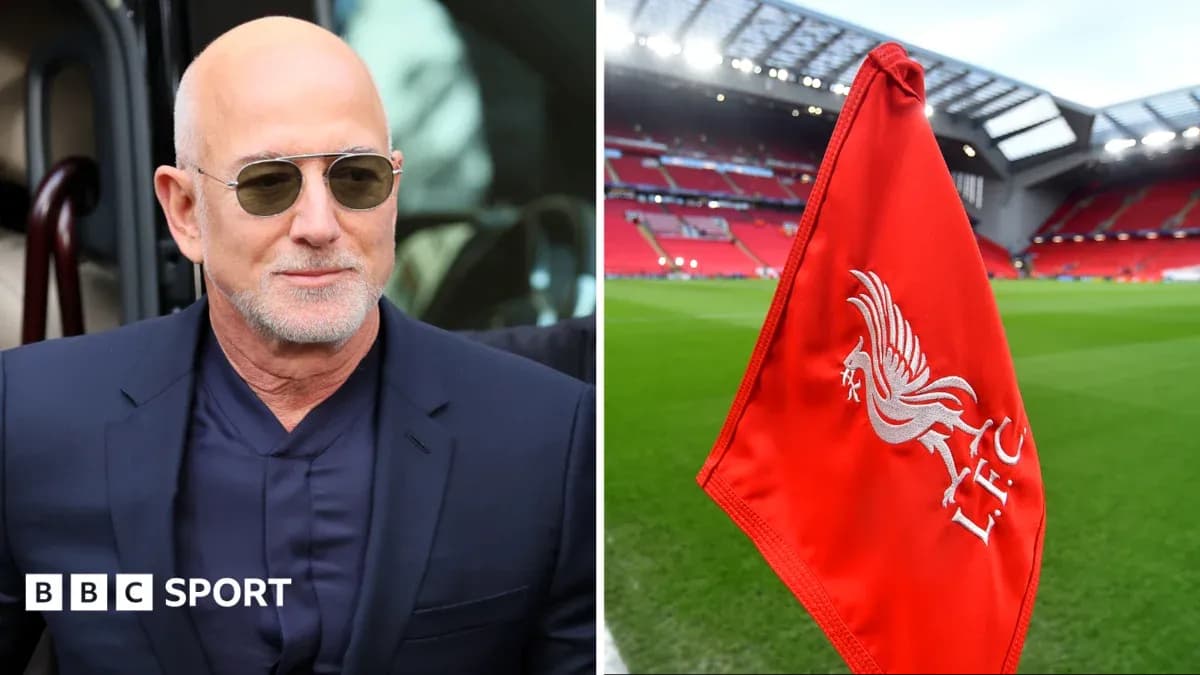
Jeff Bezos Consortium Advances Talks for 30% Liverpool Stake
The money circling Liverpool now belongs to a very different universe.
A consortium fronted by British-Indian businessman Amit Bhatia and featuring Amazon founder Jeff Bezos has moved its discussions forward over acquiring roughly a 30% stake in the club, BBC Sport has been told. Facebook co-founder Eduardo Saverin is also part of the group, underlining the scale of wealth and influence now eyeing a slice of Anfield.
Fenway Sports Group (FSG), Liverpool’s owners since 2010, acknowledged last month that Bhatia’s group had “expressed interest in making a strategic minority investment in Liverpool Football Club”. Those talks have not gone away. They have advanced.
This is not a takeover. FSG would remain in control. But a 30% stake at Liverpool is no small foothold; it is a serious seat at one of the most powerful tables in world football.
Bhatia, long familiar with the English game, is no tourist investor. The son-in-law of Indian steel magnate Lakshmi Mittal, he spent 18 years as a director and co-owner at Queens Park Rangers before relinquishing his stake only last month. He knows the politics of boardrooms, the realities of promotion and relegation, and the volatility that comes with English football.
Around him, the names get even bigger.
Bezos, the American entrepreneur who built Amazon into a global behemoth, is the fourth-richest person on the planet. Forbes estimates the 62-year-old’s net worth at $256bn (£192bn). That level of personal fortune dwarfs even the deep pockets that have already reshaped the modern game.
Saverin, who helped launch Facebook and cashed out early, brings another layer of tech wealth and global reach. Between them, the consortium represents a fusion of old-industry capital, Silicon Valley-era money and long-term football experience.
For FSG, who have long preferred the idea of strategic partners to a full sale, this is exactly the sort of profile they have been courting: minority investors with heavyweight balance sheets and global networks, without surrendering control of the club’s direction.
The numbers, the names, the timing – all of it points to a pivotal moment. If the deal is completed, Liverpool will not just be competing with state-backed giants on the pitch. They will be arming themselves with one of the most formidable investor line-ups in sport.
How that power is used, and how it reshapes the club’s future, will be the next story.