Jack Grealish's Journey: From British Football Star to Recovery
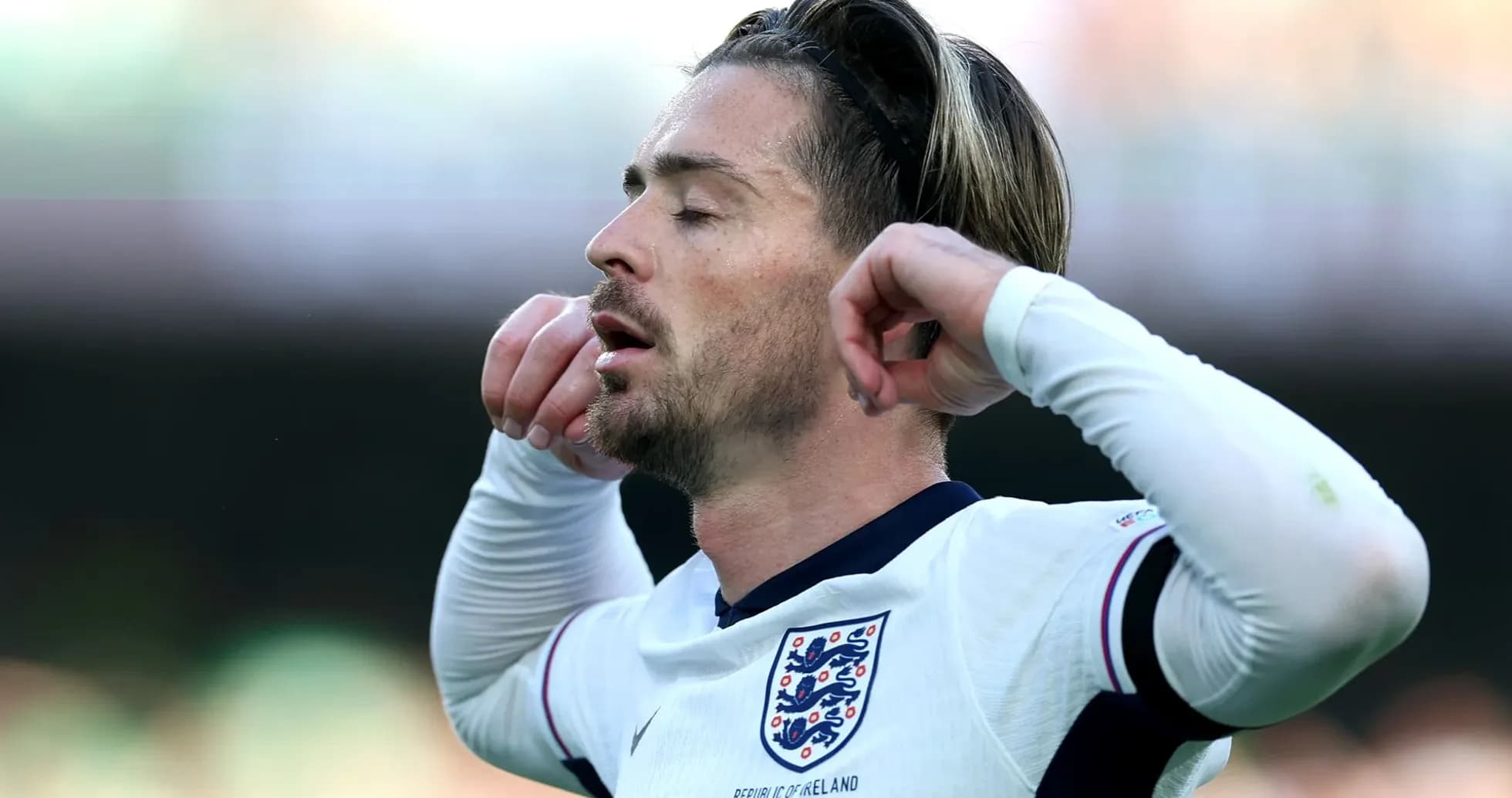
Jack Grealish once broke British football. Now he’s trying to fix himself.
In the summer of 2021, Manchester City paid £100 million to prise him away from Aston Villa, a nine-figure statement that made him the most expensive player in British history and the Premier League’s first £100m man. It was supposed to be the move that turned a local hero into a global superstar.
He did win. A lot. His second season at the Etihad ended with the Treble and a Champions League medal in his pocket. Yet even in the middle of that glory, there was a sense that Pep Guardiola’s intricate demands had clipped some of the chaos from his game. The freewheeling playmaker from Villa Park became a cog in the machine.
By the end of the 2024-25 campaign, the numbers told their own story: 17 goals in 157 City appearances. Respectable, not explosive. For a £100m forward, that conversation never goes away.
As City evolved again, Grealish slipped. Down the pecking order, out of the automatic XI, and eventually out on loan. Everton offered a reset and, for a brief spell, it looked like he had grabbed it.
On Merseyside, he started brightly enough to take the Premier League Player of the Month award. Goodison Park responded to his swagger, his touches, the old rhythm in his dribbling. Then his body betrayed him.
A stress fracture in his foot cut the season short in January. Surgery followed. So did the end of his World Cup dream.
For a man with 39 England caps, watching FIFA’s flagship tournament in North America from the sofa was a brutal twist. While he recovered, Everton weighed up their £50m purchase option and stepped back, hoping City would soften their stance in the summer. So far, nothing has been agreed.
England, meanwhile, never truly solved the left flank. No one nailed down the position during the run to the semi-finals. The door, somehow, stayed ajar for those on the fringes of Thomas Tuchel’s plans.
Lee Sharpe, a Premier League title winner and fellow left-sider, still sees Grealish in that conversation. Speaking to GOAL, he pointed to the sheer volume of options in that area.
“They seem to have a bit of an abundance of left-sided players,” the Halesowen-born former winger said, name-checking Grealish and Cole Palmer as candidates who can drift into that role, even if they are not classic, touchline-hugging speed merchants. For Sharpe, the more traditional threats at the last World Cup came from Anthony Gordon and Marcus Rashford.
“I think [Anthony] Gordon and [Marcus] Rashford between them had decent World Cups,” he said, calling them “two strong candidates” and stressing that selection should hinge on the opposition and the type of game England want to play.
Sharpe still carries one particular regret. He wanted Rashford thrown on late against Argentina, England pushing the ball towards the corner flag, turning defenders, killing time. It never happened.
In that scenario, he believes a Grealish or a Palmer would have kept the ball, protected possession, but might not have offered the raw pace to run in behind when the game demanded it. Even so, his admiration for their quality is obvious.
“Once Jack Grealish gets himself fit and Cole Palmer keeps himself fit and gets over his little injuries that he had last year, they're phenomenal players and they're game-changing players,” Sharpe said.
The word that keeps coming up around Grealish now is simple: fit.
After a stuttering end at City and a broken rhythm at Everton, Sharpe thinks the 2026-27 season has to be about availability above all else.
“He just needs a year of staying fit and not getting injured. Every player needs that,” he said. It sounds basic, but anyone who has spent months in a treatment room knows it is anything but.
Sharpe did not dress it up. Long-term injury, he said, is “soul-destroying” – the isolation from the dressing room, the endless rehab, the feeling that the season is happening somewhere else, without you. The mental strain can be as heavy as the physical work.
“You just want to play,” he added. Then comes the grind: rebuilding fitness, timing, sharpness, and then trying to win your place back in a side that has moved on without you.
“It's a horrible process,” Sharpe admitted, before outlining the path back. For him, Grealish needs a run – 10, 12, 15 games – to find his rhythm again, to let the confidence “fully flowing” through his game. Do that, Sharpe believes, and “I'm sure we'll see another great year from Jack Grealish.”
The faith is rooted in memory. Sharpe recalled one England match in particular, against Germany, when Grealish “just bossed the whole game”. They could not get the ball off him. That, in Sharpe’s eyes, is the purest version of the player: the one who dictates, who dribbles, who frustrates defenders and delights crowds.
“He's unbelievable. He's got so much ability,” Sharpe said. “He's so comfortable on the ball. He can run with it. He can slot a pass in. He can score a goal.”
This is the Grealish that first turned heads at Villa: the one who plays with a grin, who connects with supporters, who makes the game look like fun in a sport that has never been more serious.
“He's great to watch. He plays with a smile on his face. He's great with the fans. I think he's a credit to the game and to himself,” Sharpe concluded.
Now comes the hard part. The price tag has faded into history. The Treble sits on the CV. What matters next is whether Jack Grealish can put his body back together, string those 15 games Sharpe talks about, and force his way not just into a club side, but back into an England left flank that still feels there for the taking.