Infantino Abandons FIFA Forward Enterprise Amid Global Backlash
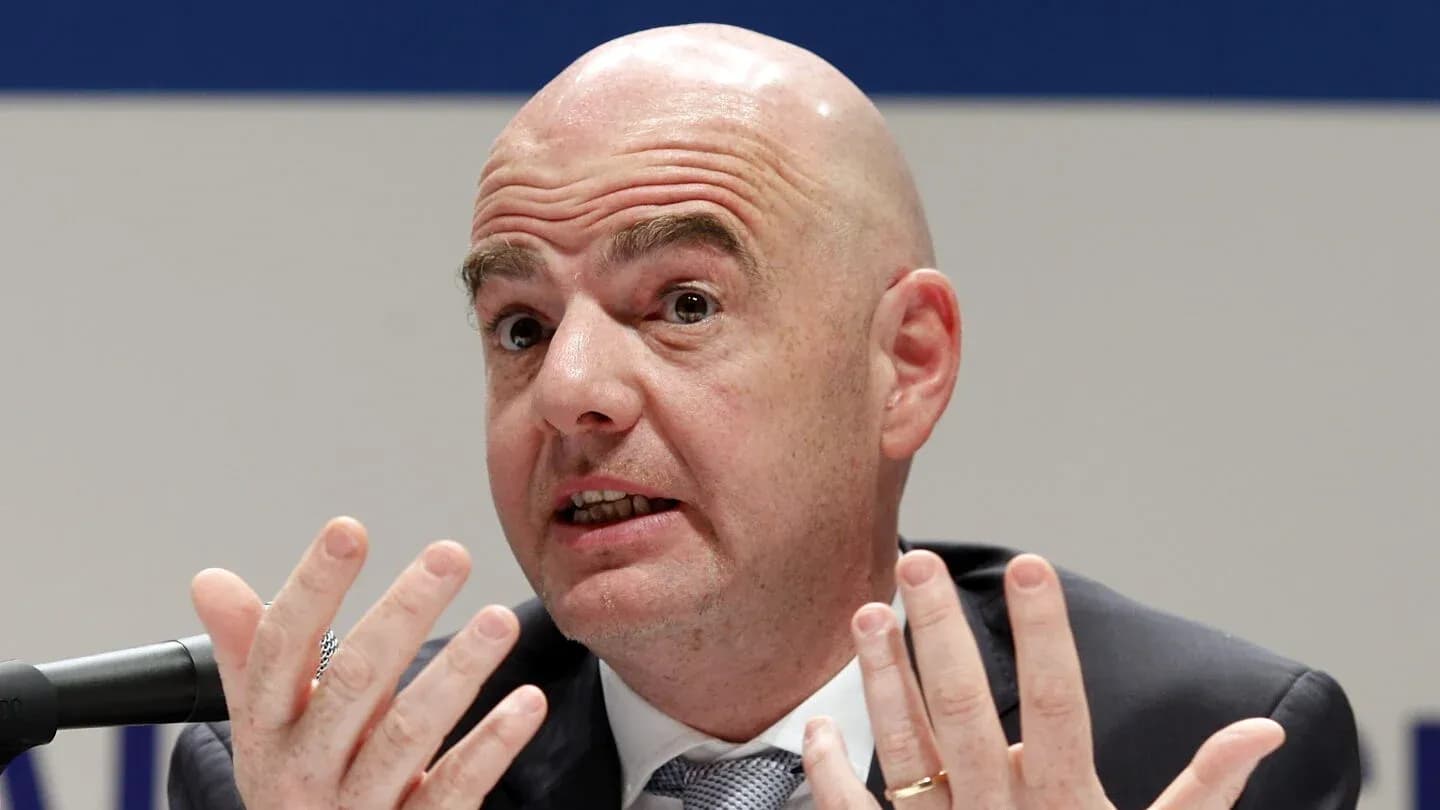
Gianni Infantino has abandoned his most contentious project yet, pulling the plug on the FIFA Forward Enterprise (FFE) plan after a global backlash that left his presidency under intense pressure from every angle of the game.
The proposal, designed to bring private money into the World Cup and funnel fresh capital to all FIFA member associations, is now officially dead.
Infantino Bows to Global Revolt
The announcement came late on Friday in a short, pointed release from FIFA titled simply: “Statement attributable to the FIFA President.” The brevity of the headline contrasted sharply with the storm that had been raging around Zurich.
Infantino’s idea was bold, and for many inside football, brazen. The FFE project aimed to open up a percentage of World Cup commercial rights to private investors, with reports linking Jason Kushner — brother of Jared Kushner, the son-in-law of former US president Donald Trump — as the figure fronting the investment group.
The promise: more money, more quickly, for every FIFA member, especially those in developing football nations.
The price: a slice of the World Cup, the sport’s crown jewel, placed in private hands.
The reaction was furious.
Internal Fallout and Global Boycott Threats
Infantino wasn’t just fighting critics in the media or among fans. The resistance came from within his own circle.
Carlos Cordeiro, the former US Soccer president brought in as an advisor, stepped down. FIFA’s own chief operating officer, Kevin Lamour, publicly declared he felt “deceived” by his boss. Those are not the words of a minor disagreement; they are the language of a broken trust at the top of the organisation.
Then came the hammer blow.
UEFA made it clear that all of its member nations were prepared to boycott every FIFA competition — men’s and women’s World Cups included — if the project went ahead. That was not an idle threat from Europe acting alone. The confederation’s stance drew support from CONCACAF and the Asian Football Confederation (AFC), turning what began as a controversial reform into a full-blown governance crisis.
When three confederations start lining up against a sitting FIFA president on an issue this central, the room for manoeuvre shrinks fast.
The pressure finally told.
The President’s Climbdown
Infantino’s statement framed the retreat as a response to division rather than defeat.
“The FIFA Forward Enterprise project was intended to provide a basis for further strengthening our FIFA Member Associations and our sport worldwide, especially in those countries where support is most needed,” he said, stressing that the plan was always contingent on support from a majority of member associations and subject to consultation with the FIFA Council, confederations and stakeholders.
He then conceded the core problem.
“Having listened carefully to all the views, it has become clear that the project has created divisions of a nature that, regardless of the level of support, are no longer in the interest of the objective set out in the first place.
“Our purpose has always been - and will always be - to unite and improve.
“As a result, this proposal will not proceed.”
Those lines mark one of the most significant public reversals of his tenure. For a president who has pushed expansion of competitions and aggressive commercial growth as central pillars of his leadership, to shelve a flagship financial project under pressure from within the game is no small moment.
What Comes Next for FIFA?
Infantino tried to pivot quickly to a message of unity and rebuilding trust.
“Moving forward, my intent is to bring all interested parties back together in the coming days and weeks in the spirit of shared interest in our game, and with the objective to continue growing football everywhere, particularly in those countries that mostly need our support.”
The words are conciliatory. The wounds will take longer to heal.
The FFE saga has exposed fault lines that run deeper than one proposal: who controls football’s biggest asset, how far FIFA can push commercialisation, and how much power the president truly holds when confederations act in concert.
Infantino has stepped back this time. The question now is whether this is a turning point in how FIFA does business, or just a pause before the next battle over the future of the World Cup.