Indy Eleven Secure Tactical Win Over Rhode Island in USL Championship
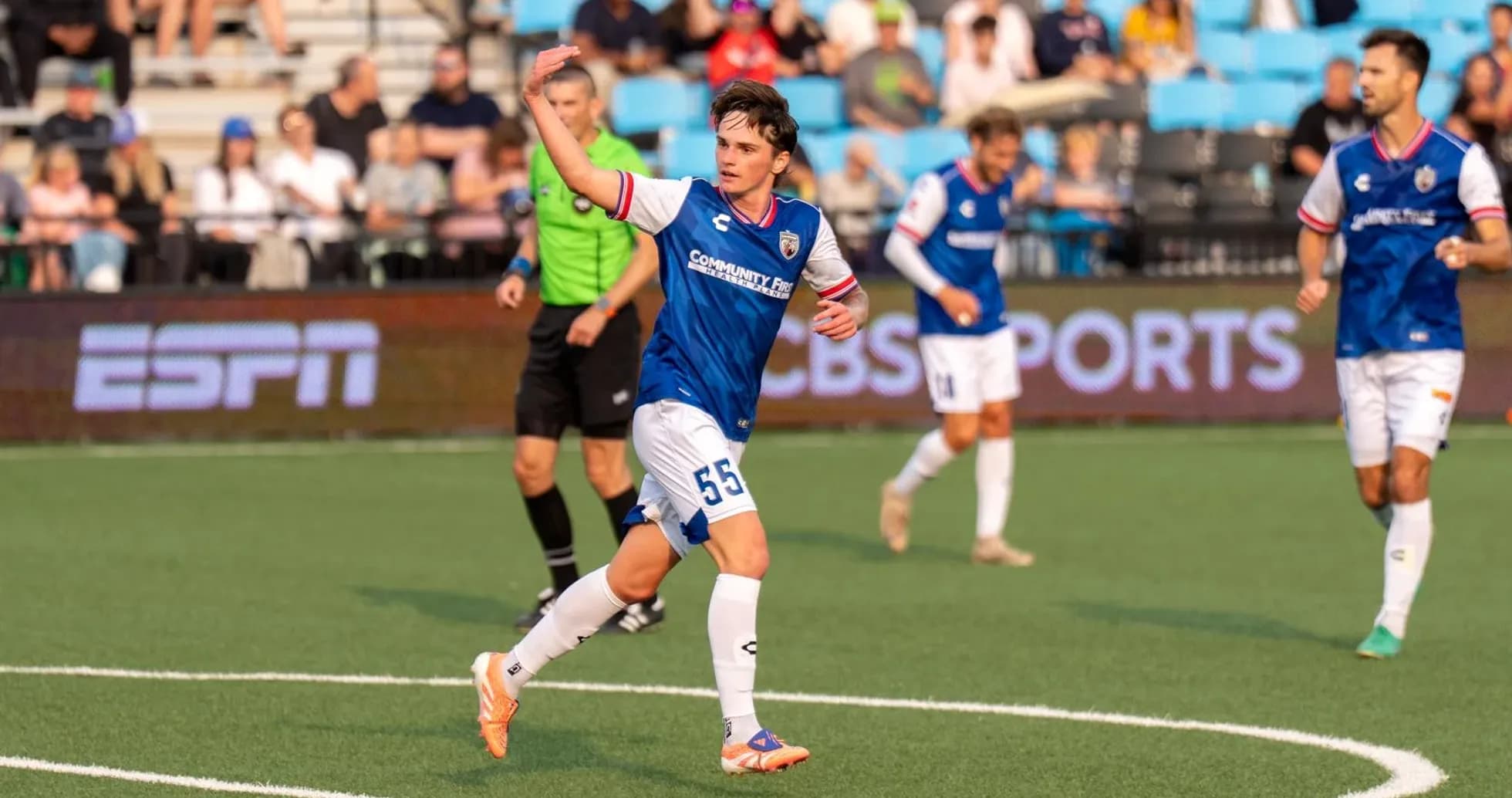
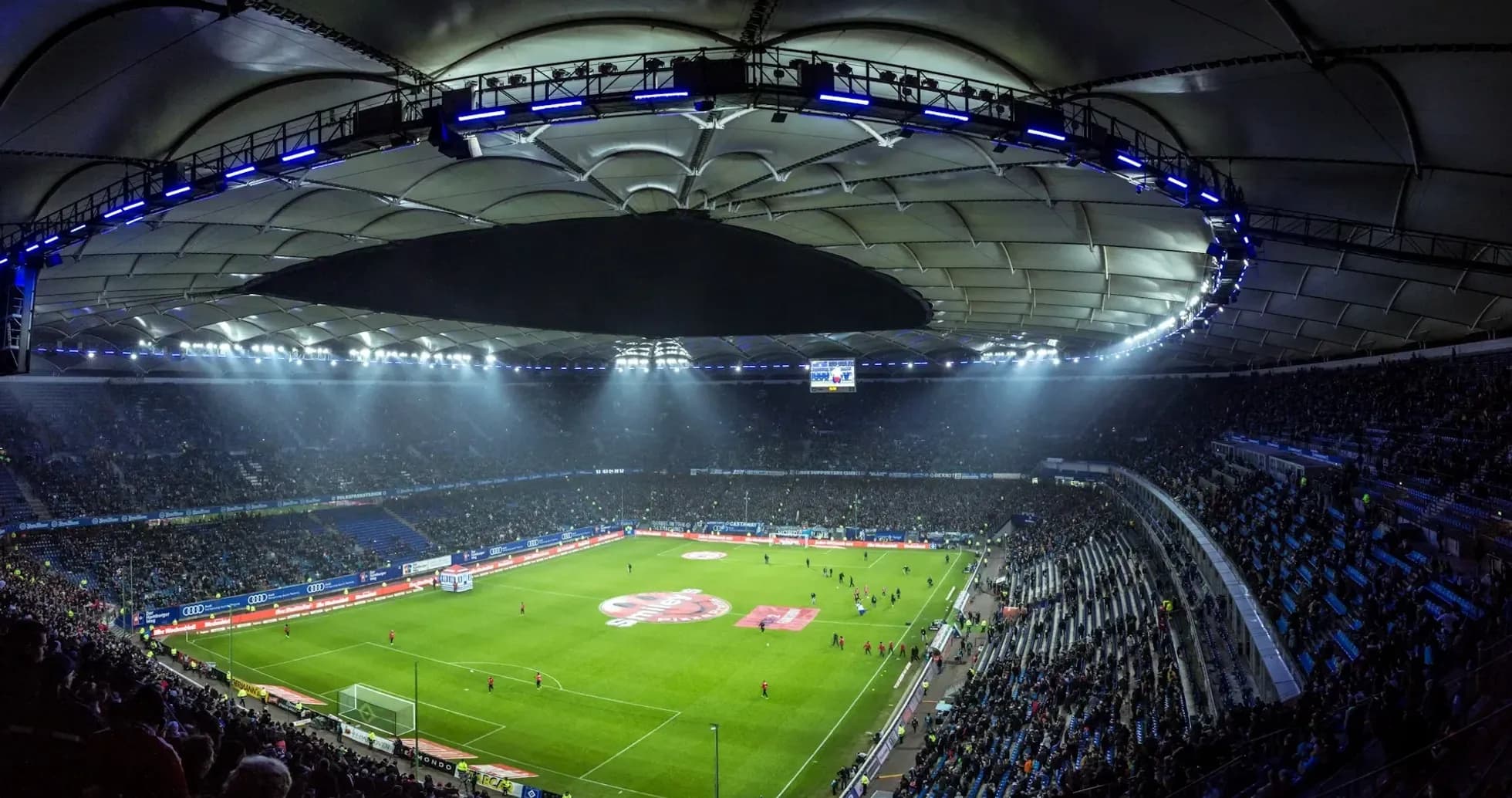
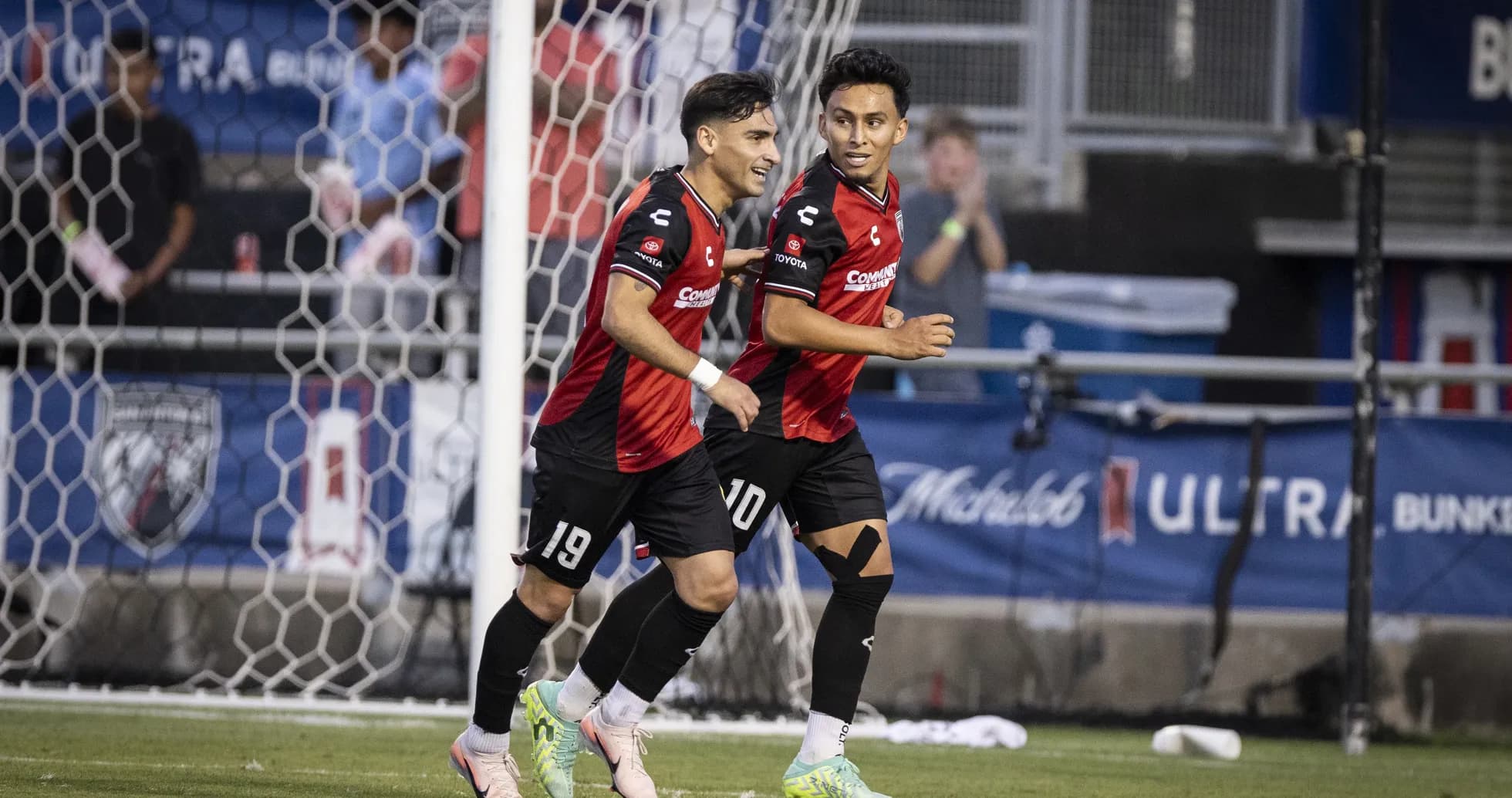
Under the lights at Michael A. Carroll Stadium, this USL Championship group-stage tie became a statement win for a side already shaping the season’s narrative. Following this result, Indy Eleven’s 1–0 victory over Rhode Island felt less like a narrow escape and more like the logical extension of a home fortress identity: calculated, disciplined, and quietly ruthless.
I. The Big Picture – A contender tightening its grip
Indy Eleven entered the night as a top-end force in USL 1, ranked 2nd with 18 points and a goal difference of 5, built on a balanced profile: 16 goals for and 11 against overall. At home they had been almost flawless, with 6 matches played, 5 wins, 1 draw, 0 defeats, 12 goals scored and only 5 conceded. That home average of 2.0 goals for and 0.8 against per game framed this as their kind of contest: control the tempo, trust the structure, and let the crowd do the rest.
Rhode Island arrived as the division’s wild card, 9th with 12 points and a goal difference of 3. Their overall record of 17 goals scored and 14 conceded in 10 matches suggested volatility more than stability. On their travels they had played 4, winning 1 and losing 3, scoring 6 and conceding 8. An away average of 1.5 goals for and 2.0 against hinted at a team that can punch, but often leaves its chin exposed.
The 0–0 half-time scoreline did not betray a lack of ambition; it reflected two teams trying to impose very different seasonal identities. Indy leaned into their home authority; Rhode Island tried to stretch the field and turn this into the kind of open, high-event game where their 1.7 goals per match overall usually give them a chance.
II. Tactical Voids and Discipline – Control vs. chaos
With no official absences listed, both coaches could lean into their preferred core personnel. Sean McAuley built his Indy Eleven XI around stability from back to front: E. Dick in goal, protected by the defensive axis of L. Neidlinger, M. Rasheed, P. Craig and A. Quinn. In front of them, the midfield blend of C. Lindley, B. Rendon and J. O’Brien gave Indy a three-layer spine designed to circulate possession and compress space.
Rhode Island’s Khano Smith responded with a structure that has underpinned their attacking threat all season. Koke Vegas started in goal behind a back line anchored by G. Stoneman and K. Yao, with A. Sanchez and N. Scardina likely tasked with balancing width and defensive responsibility. Ahead of them, the double pivot of C. Holstad and H. Bacharach Capdevila offered legs and bite, while J. Kwizera and A. Shapiro-Thompson linked into a front pair of Leo Afonso and J. Williams.
Discipline was always going to be a quiet subplot. Heading into this game, Indy’s yellow-card distribution revealed a team that tends to flare in two windows: 31–45 minutes (31.25% of their yellows) and 76–90 minutes (25.00%). It is the profile of a side that tightens the screws before the break and then leans into game management late on, but without crossing the red line—literally, as they had no red cards recorded.
Rhode Island’s card map told a different story. Their yellows peaked dramatically in the final quarter-hour, with 34.78% of their bookings arriving between 76–90 minutes, and every recorded red card (100.00%) also coming in that window. This is a team that tends to end games on the edge, chasing, stretching, and occasionally breaking. In a tight match away to a top-two side, that late-game volatility was always going to be a tactical fault line.
III. Key Matchups – Hunter vs shield, engine vs enforcer
Hunter vs Shield
Indy’s offensive “hunter” is not one star but a collective rhythm. At home they averaged 2.0 goals per match heading into this fixture, with a biggest home win margin of 3–1 and a ceiling of 3 goals scored in a single home game. The front unit of J. Blake, N. Okello and E. Kizza offered complementary threats: Blake as a connective attacker, Okello as a powerful presence who can pin defenders and drop into pockets, and Kizza as the likely penalty-box reference.
Rhode Island’s “shield” has been sturdier at home than away. On their travels they conceded 8 in 4 matches, that away average of 2.0 goals against mirroring Indy’s 2.0 home scoring average almost perfectly. G. Stoneman’s leadership at the back, supported by Yao and the full-backs, was always going to be tested by Indy’s ability to sustain pressure rather than rely on isolated breaks.
The decisive 1–0 scoreline suggests Indy did not hit their home attacking ceiling, but they did enough to bend Rhode Island’s away defensive numbers back toward their season trend. For a side whose biggest away loss this season was 4–2, keeping the margin to a single goal was an improvement in scale, but not in outcome.
Engine Room – Playmakers and enforcers
The heart of this contest lay in midfield. C. Lindley and B. Rendon formed Indy’s engine, with J. O’Brien adding a defensive shield and distribution point. This trio is emblematic of Indy’s overall statistical balance: 1.6 goals scored and 1.1 conceded per match overall, a profile built on control and suppression rather than chaos.
Opposite them, Rhode Island’s central unit of C. Holstad and H. Bacharach Capdevila, supported by the roaming creativity of J. Kwizera and A. Shapiro-Thompson, had to solve two problems at once: disrupt Indy’s build-up and still provide a platform for their own front line. Rhode Island’s season numbers—1.7 goals scored but 1.4 conceded per match overall—reflect that this midfield often plays on the knife-edge between progressive and porous.
Across 90 minutes, Indy’s engine room quietly won the argument. The clean sheet fits their season pattern of keeping things tight, especially at home, where they had conceded only 5 in 6 prior matches. Rhode Island, who had failed to score only twice all season before this, were smothered into their third blank.
IV. Statistical Prognosis – A narrow win that fits the larger picture
Strip away the narrative and the numbers still point in one direction. Indy Eleven, with their perfect home record in terms of defeats (6 played, 0 lost) and a positive home goal balance of 12 scored and 5 conceded, were always structurally better placed to edge a tight contest. Rhode Island’s away profile—1 win and 3 defeats, 6 scored and 8 conceded—hinted at exactly this kind of outcome: competitive but ultimately second-best.
Both sides came in with perfect penalty records this season, each having scored 1 out of 1 from the spot, with no penalties missed. That reliability from 12 yards underscored how small margins could decide a match between a methodical home heavyweight and an adventurous but inconsistent visitor.
Even without explicit xG numbers, the shape of the season suggests the underlying story: Indy’s defensive solidity, especially at home, gives them a consistently higher floor; Rhode Island’s attacking verve gives them a high ceiling but a fragile base. In a knockout-style lens—mirroring the “Promotion – USL Championship (Play Offs: 1/8-finals)” ambition that frames Indy’s season—this 1–0 is exactly the kind of result that travels deep into tournaments.
Following this result, Indy Eleven look every inch a side built for the pressure moments: compact at the back, disciplined in the card stakes, and efficient enough in front of goal to turn home advantage into hard points. Rhode Island leave with the familiar feeling of having threatened without breaking through—a team whose next tactical evolution must be about tightening the shield to let their hunters truly matter.