France vs Spain: World Cup Semi-finals Clash Analysis
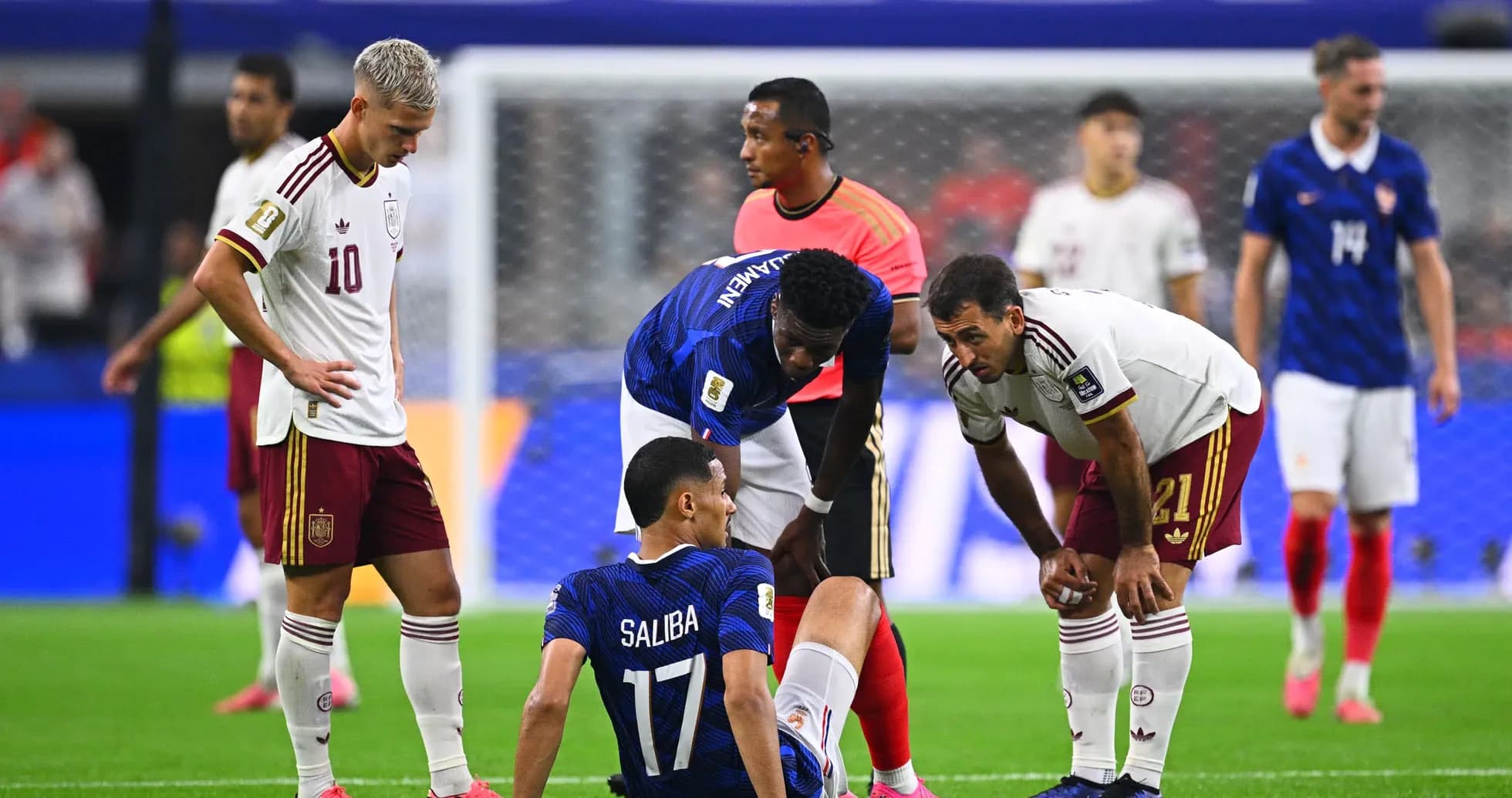
The lights of Dallas Stadium dimmed to a cauldron glow as France and Spain walked out for a World Cup Semi-finals clash that felt like a stylistic referendum as much as a knockout tie. On neutral ground in Arlington, two group winners, both unbeaten in regulation time heading into this game, brought contrasting footballing identities and star-laden squads to a stage where a single misstep ends a four-year journey.
France arrived as the tournament’s most explosive attack. Overall this campaign, they had scored 16 goals in 7 matches, with 11 of those at home and 5 on their travels, averaging 2.3 goals per match in total. Behind that offensive power, their defensive record was quietly elite: only 4 goals conceded overall, 3 at home and 1 away, an average of 0.6 goals against per game in total. Their group stage dominance in Group I — 10 goals for and 2 against in 3 matches, a goal difference of 8 — had already secured top spot and a smooth passage through the Round of 32 and beyond.
Spain, though, came into the Semi-finals as the most balanced machine in the World Cup. They were yet to lose in 7 fixtures, with 6 wins and 1 draw overall. Their defensive line had been almost impenetrable: just 1 goal conceded in total, 1 at home and 0 on their travels, an overall average of 0.1 goals against per match. In Group H they finished first with 5 goals scored and none conceded in 3 games, a goal difference of 5 that spoke of control rather than chaos. If France were the storm, Spain were the tide: relentless, patient, and suffocating.
Lineups
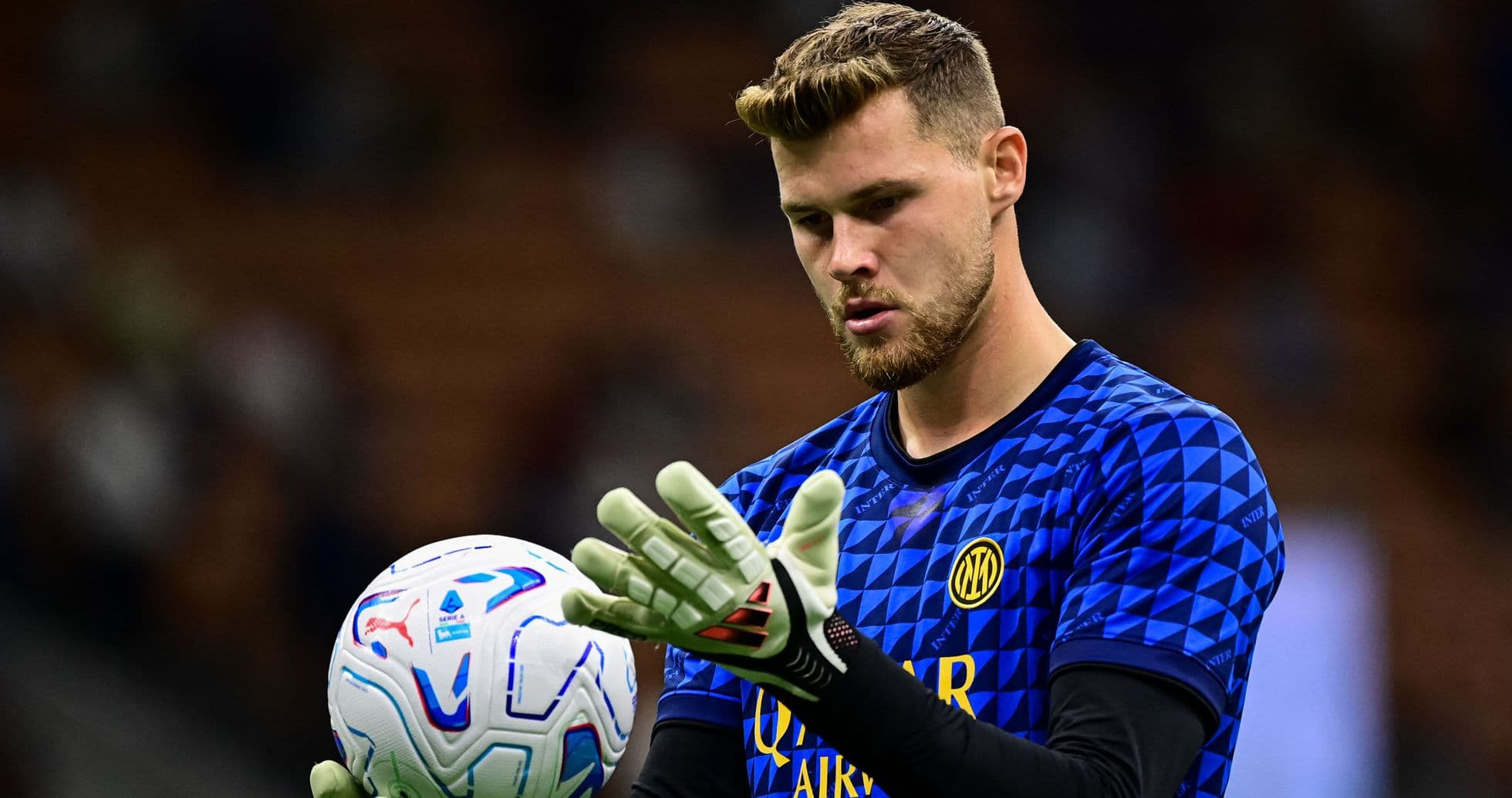
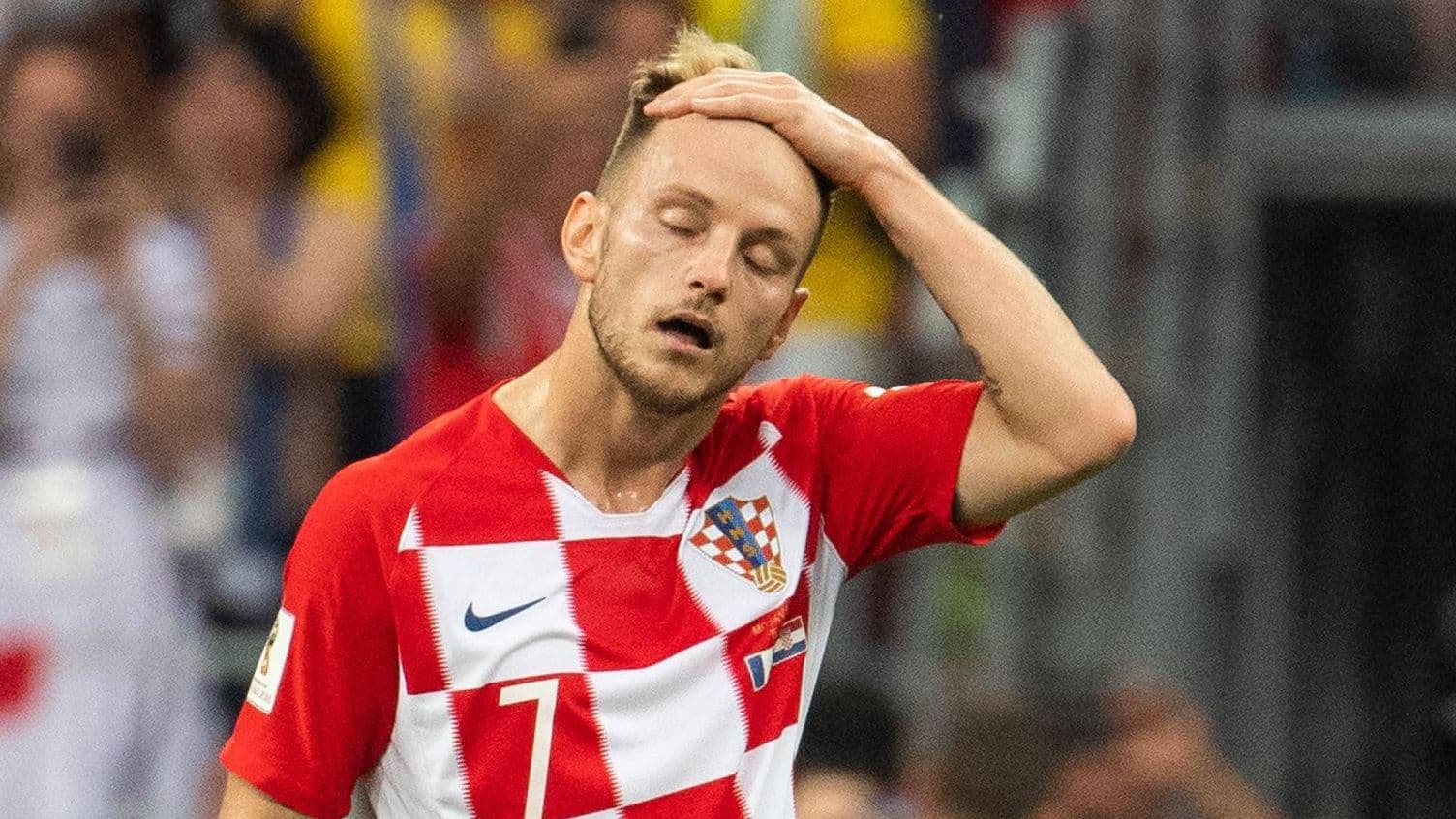
The lineups underlined the contrast. Didier Deschamps stayed loyal to his favoured 4-2-3-1, the same structure he had used in all 7 matches this campaign. Mike Maignan started in goal, shielded by a back four of Jules Koundé, Dayot Upamecano, William Saliba, and Lucas Digne. In front of them, Aurélien Tchouaméni and Adrien Rabiot formed the double pivot, tasked with both anchoring and launching transitions. The attacking band of three — Ousmane Dembélé on the right, Michael Olise central, Bradley Barcola from the left — orbited the tournament’s most devastating finisher, Kylian Mbappé.
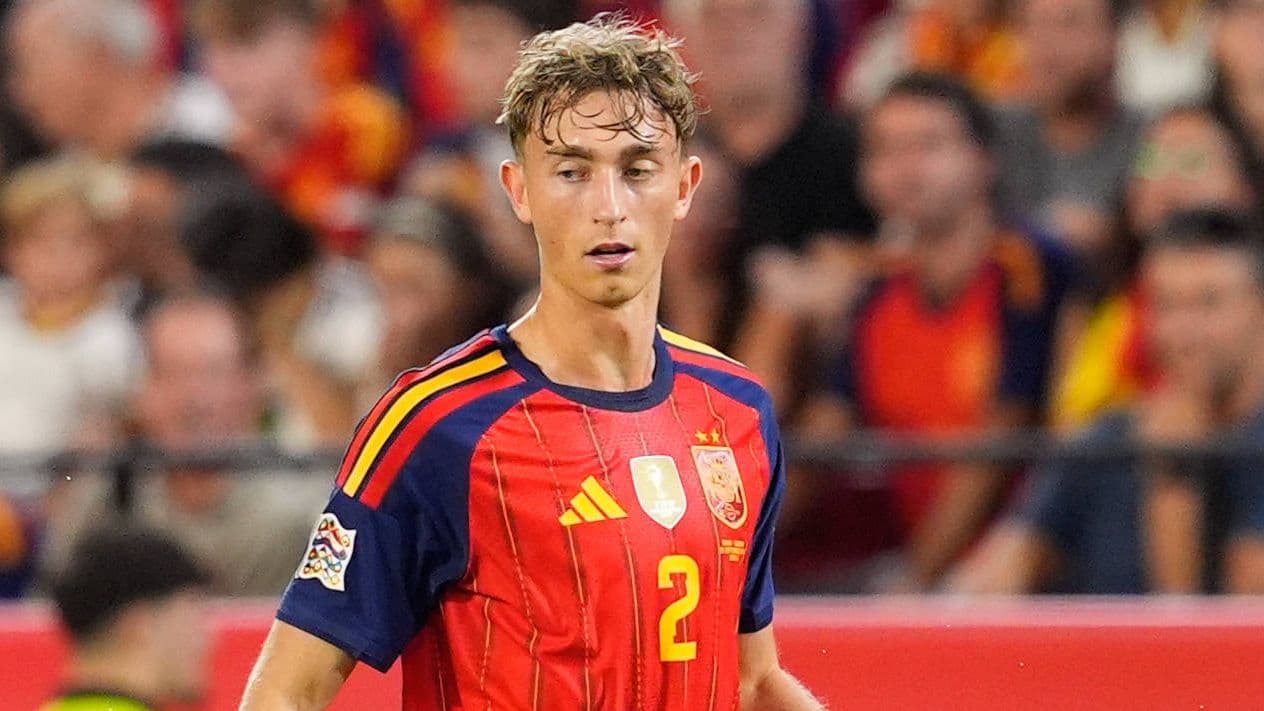
Spain’s Luis de la Fuente answered with a 4-1-2-3, a system he had leaned on in 5 matches this World Cup. Unai Simón stood behind a back four of Pedro Porro, Pau Cubarsí Paredes, Aymeric Laporte, and Marc Cucurella. Rodri, the metronome and shield, anchored midfield, with Dani Olmo and Fabián Ruiz as the advanced interiors. Ahead of them, a fluid front three: Lamine Yamal wide right, Mikel Oyarzabal central, and Álex Baena tucking in from the left, creating pockets between France’s lines.
Key Players
From a squad-construction perspective, France’s identity revolved around star power in the final third. Mbappé entered this match as the World Cup’s leading scorer for his country: 8 goals and 3 assists in 7 appearances, with 30 shots in total and 19 on target, underlining his volume and precision. He had also won a penalty and converted one, but the data showed a rare blemish: 1 penalty missed, a reminder that even the most ruthless can falter from the spot. Alongside him, Dembélé had 5 goals and 2 assists in 7 matches, with 13 shots and 8 on target, his directness and unpredictability giving France a second cutting edge. Olise, meanwhile, was the competition’s leading creator: 5 assists in 7 appearances, 355 passes with 13 key passes and an 86% accuracy, plus 10 tackles and 3 interceptions — a playmaker who also worked tirelessly without the ball.
Spain’s attacking focal point was Oyarzabal. With 5 goals and 1 assist in 7 games, 20 shots and 11 on target, he offered a blend of penalty-box instincts and link play. His 140 passes at 82% accuracy and 6 key passes spoke to his role as both finisher and connector. Around him, Yamal’s wide threat and Baena’s hybrid midfield-forward role gave Spain lanes to exploit the half-spaces behind France’s full-backs.
Tactical Battles
Tactically, the Semi-finals hinged on two core battles. The first was the “Hunter vs Shield” duel: France’s strike force against Spain’s near-perfect defensive record. Overall this campaign, Spain had kept 6 clean sheets in 7 matches, including 3 at home and 3 away, and had never conceded on their travels. France, for all their attacking brilliance, had failed to score once overall and that vulnerability loomed in a game where margins were razor-thin. Spain’s defensive structure — Laporte’s leadership, Cubarsí’s composure, Cucurella’s aggression, and Rodri’s screening — was built to compress central spaces where Mbappé likes to drive and Olise likes to thread passes.
The second key battleground was the “Engine Room”: Tchouaméni and Rabiot against Rodri, Olmo, and Fabián Ruiz. France’s double pivot had to cover wide channels when Dembélé and Barcola pushed high, but Spain’s interiors thrive when they can overload those very pockets. Olmo and Fabián, both comfortable receiving between lines, threatened to drag France’s shape apart, opening corridors for Yamal and Baena to attack Koundé and Digne in isolation.
Discipline
Discipline also had a subtle role in the tactical story. Overall this campaign, France’s yellow cards skewed late: 33.33% of their bookings arrived between 76-90 minutes, and another 16.67% in the 91-105 window. Spain, by contrast, saw 33.33% of their yellows between 31-45 minutes and 50.00% between 91-105 minutes. In a Semi-finals setting, that pattern hinted at two different risk profiles: France’s tendency to collect late cards under pressure, and Spain’s readiness to commit tactical fouls around half-time and deep into extra time if needed.
Bench Strength
From the bench, both managers had levers to pull. Deschamps could change the game’s verticality with Marcus Thuram or Jean-Philippe Mateta, add control through N’Golo Kanté or Manu Koné, or alter the wide dynamics with Rayan Cherki, Malo Gusto, or Warren Zaïre-Emery. Spain’s depth offered alternative textures: Nico Williams and Ferran Torres as direct wide threats, Pedri and Gavi as different flavours of midfield control, and Mikel Merino or Martín Zubimendi to reinforce or reshape the central block.
Statistical Outlook
Statistically, the prognosis leaned towards a cagey, territorial battle where Spain’s defensive solidity would test even a generational attack. France’s overall average of 2.3 goals scored per game was set against Spain’s microscopic 0.1 goals conceded; something had to give. Yet Spain’s own attacking numbers — 13 goals in 7 matches overall, with 1.9 per game — suggested they were far from conservative. Their 6 clean sheets overall, combined with France’s single penalty miss in a total of 2 attempts, hinted that the smallest execution detail — a mistimed run, a mis-struck spot-kick, a lapse in concentration — could tilt the Semi-finals.
In the end, this squad matchup was less about who had more stars and more about whose structure could better amplify them. France brought the tournament’s most devastating individual weapons; Spain brought the tournament’s most watertight collective. Over 90 minutes in Arlington, the story of the Semi-finals was always likely to be written in the thin space where those two truths collided.