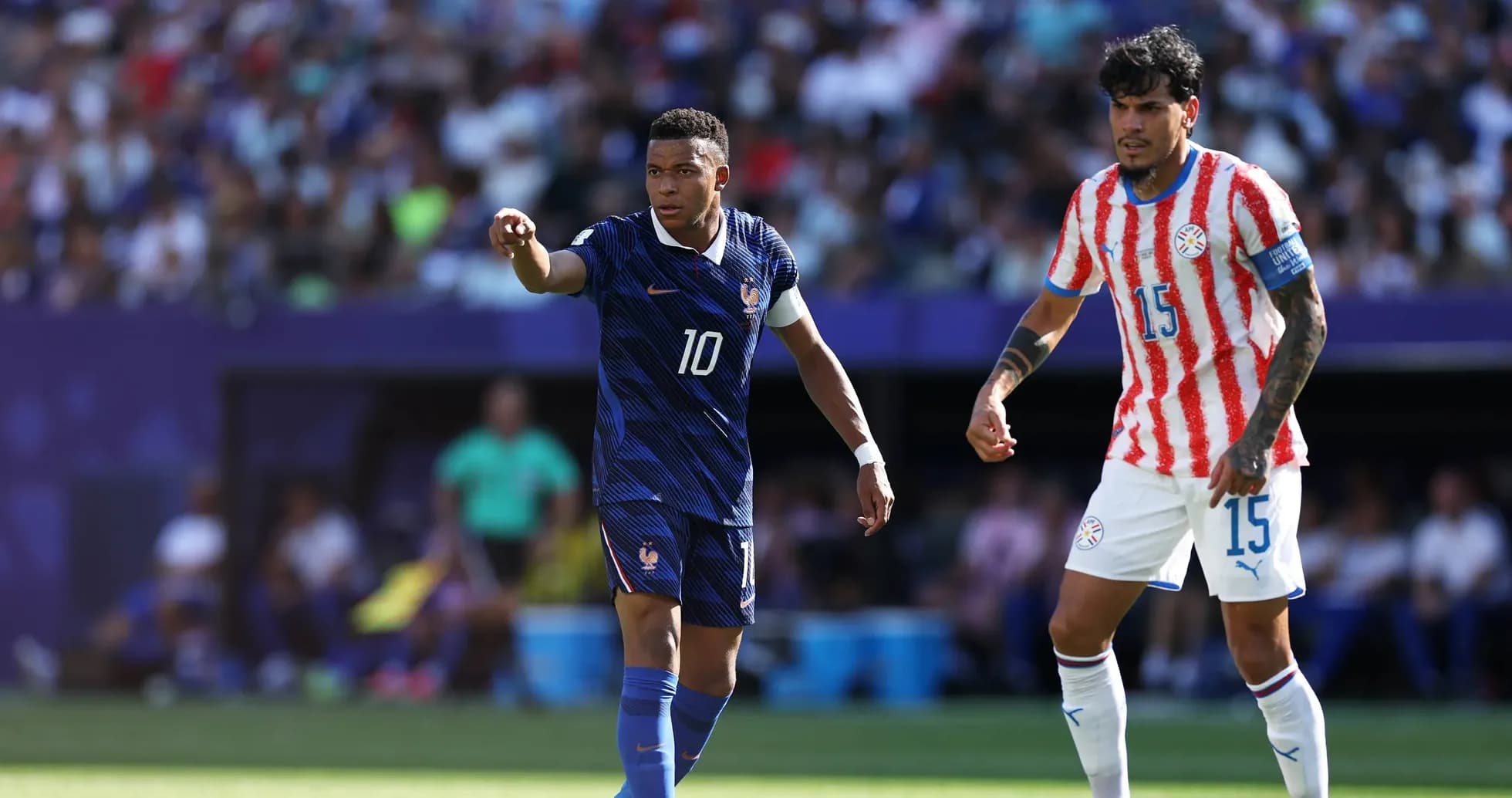
France Dominates Paraguay in 1-0 World Cup Victory
France’s 1-0 win over Paraguay at Lincoln Financial Field was a classic territorial siege against a deep defensive block. Across 90 minutes, the World Cup 1/8 final settled into a clear pattern: France’s 4-2-3-1 probing relentlessly with 76% possession and 15 shots, Paraguay’s 5-4-1 compressing space, conceding territory, and trying to survive transitions.
Gustavo Alfaro’s 5-4-1 was built around a very low block. The back five of Juan Cáceres, Gustavo Velázquez, Gustavo Gómez, Omar Alderete and Junior Alonso stayed narrow, almost on top of Orlando Gill’s penalty area. In front of them, a hard-working midfield four of Miguel Almirón, Diego Gómez, Andrés Cubas and Matías Galarza formed a second line of resistance, with Julio Enciso isolated as the lone outlet. The plan was clear: protect the central lane, force France wide, and accept long spells without the ball.
Didier Deschamps’ 4-2-3-1, by contrast, was aggressively front-foot. Mike Maignan anchored a back four of Jules Koundé, Dayot Upamecano, William Saliba and Lucas Digne, with Manu Koné and Adrien Rabiot as the double pivot. Ahead of them, Ousmane Dembélé, Michael Olise and Bradley Barcola supported Kylian Mbappé as the central forward. France’s structure often resembled a 2-3-5 in possession: both full-backs advanced, Koné dropped to assist the centre-backs in build-up, and Rabiot pushed higher to connect with the three attacking midfielders.
The statistical profile underlines the tactical contrast. France completed 568 total passes to Paraguay’s 183, with a striking 510 accurate for France (90%) against Paraguay’s 99 accurate (54%). This disparity reflects both France’s technical control and Paraguay’s choice to play long and clear their lines early rather than risk short combinations against the French press. With only 24% of the ball, Paraguay accepted that they would defend for long stretches and rarely string together sustained possession.
Defensively, Paraguay’s low block was compact but under constant strain. France generated 15 total shots, including 5 on goal and 4 blocked, many of them from outside the box (10 shots from range) as the central corridor remained crowded. Paraguay limited France to 5 shots inside the box, a respectable figure considering the territorial dominance, but the constant pressure eventually told. The penalty incident, confirmed by VAR for a foul on Dési ré Doué, was a direct consequence of France repeatedly attacking the half-spaces and forcing defenders into late decisions inside the area.
France’s defensive structure was far less tested. Paraguay managed just 5 total shots, only 1 on goal and 1 blocked. Their single shot inside the box illustrates how rarely they could carry attacks into truly dangerous positions. Most of their attempts came from distance (4 shots outside the box), reflecting both the lack of support around Enciso and France’s strong rest-defence, with Upamecano and Saliba consistently stepping in front of Paraguay’s first passes out of pressure.
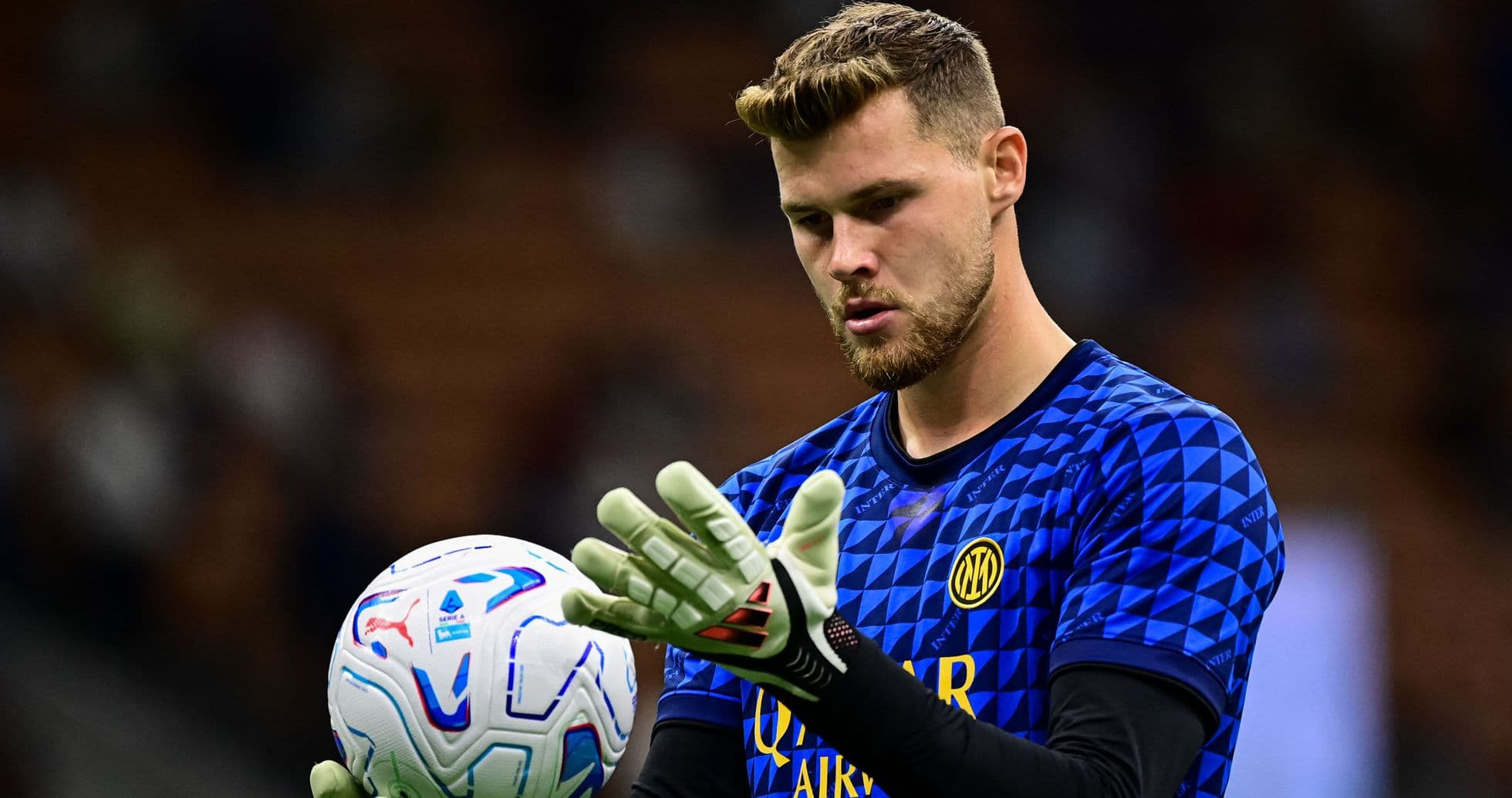
In goal, Orlando Gill (Paraguay) was one of the key reasons the score stayed at 1-0. He made 4 saves and, according to the data, prevented 0.37 goals, matching France’s volume of shots on target with several solid interventions. His work underlined the effectiveness of the deep block in forcing France into less-than-perfect shooting positions, even when the defensive line was camped on the edge of the box. At the other end, Mike Maignan (France) faced only 1 shot on goal and made 1 save, a reflection of how rarely Paraguay could break France’s midfield screen.
The expected goals numbers capture the story cleanly: France produced 1.36 xG, Paraguay just 0.15. France’s xG total, while clearly superior, is relatively modest for their volume of possession and 15 shots, which reinforces how well Paraguay protected the most valuable central zones and how often France were nudged into lower-quality efforts from range or wide angles. Paraguay’s 0.15 xG is consistent with a game plan based on rare, low-probability counters and speculative shots rather than crafted, multi-pass attacks.
Set pieces and wide play were central to France’s strategy. They won 12 corner kicks to Paraguay’s 2, repeatedly pinning the South Americans in and recycling second balls around the box. With the box so congested, Dembélé and Barcola were tasked with stretching the back five horizontally. Their 1v1 threat forced Paraguay’s wing-backs to step out, occasionally opening pockets for Mbappé and late runs from Rabiot. When Barcola was replaced by Dési ré Doué, France maintained the same wide-aggression profile, and it was Doué’s penalty-winning action that finally broke the deadlock.
Paraguay’s substitutions were structurally conservative, aimed at refreshing legs within the same defensive framework. José Canale for Omar Alderete kept the back five intact, while Gustavo Caballero replacing Julio Enciso altered the reference point up front but not the overall 5-4-1 shape. Later changes, such as Gabriel Ávalos for Miguel Almirón and Mauricio for Gustavo Gómez, again suggested a desire to maintain the block rather than chase the game with additional attackers or a formation shift.
Discipline also reflected the game’s flow. France committed 11 fouls to Paraguay’s 13, but the three yellow cards all went to French players, underlining how often they had to counter-press aggressively after losing the ball high up the pitch. Paraguay, by contrast, managed to stay card-free despite the volume of defensive actions, a sign of controlled, positional defending rather than reckless challenges.
In the end, this was a match defined by France’s patience and structure against Paraguay’s resilience and compactness. The numbers show near-total French control of territory and possession, yet the narrow 1-0 scoreline and modest xG margin highlight how demanding it can be to dismantle a well-organized 5-4-1 at World Cup level, even for a side with France’s attacking talent.