France vs England: A Tactical Analysis of the 6-4 Thriller
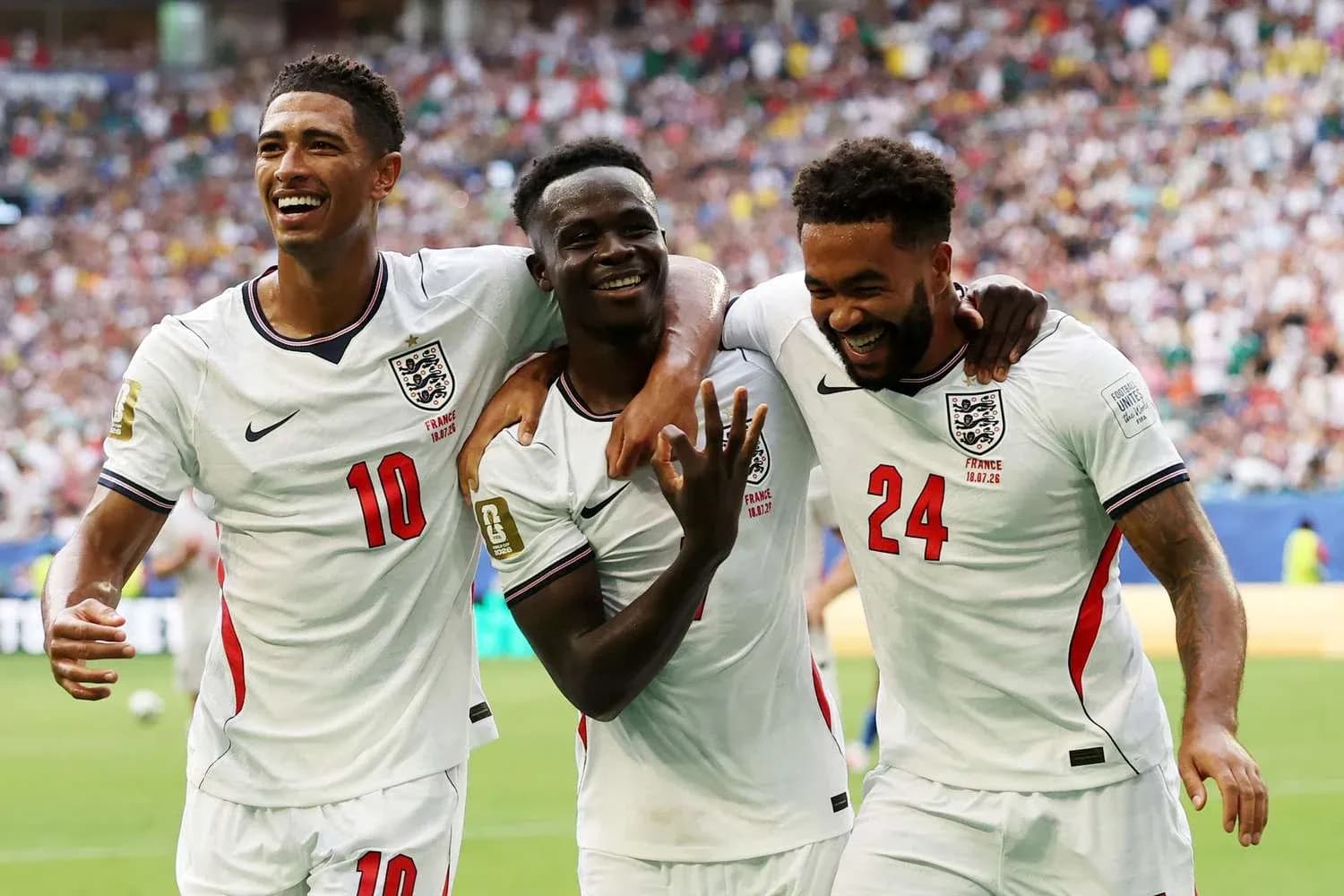
France’s 6-4 defeat to England at Hard Rock Stadium, Miami Garden unfolded as a wild, structurally complex game rather than a simple attacking shootout. England controlled 54% of the ball and built a 4-0 half-time lead, but the way both teams used that possession and space changed dramatically after the interval, turning the 3rd Place Final into a tactical rollercoaster.
First Half
England’s first-half plan was built around vertical efficiency and occupation of central lanes. With Declan Rice as the single pivot, Thomas Tuchel used Morgan Rogers and Eberechi Eze as advanced midfielders who could step into half-spaces, while Bukayo Saka and Marcus Rashford started from wide but constantly attacked the inside channels. Ivan Toney pinned the French centre-backs, allowing Rice to step forward aggressively: his 3' opener underlined how England exploited early disorganisation in France’s midfield screen.
France, with Warren Zaïre-Emery and Adrien Rabiot as the central pairing and Rayan Cherki and Désiré Doué nominally between the lines behind Kylian Mbappé, struggled to connect their structure. Despite ending with 46% possession and matching England on total shots (19-19), their first-half spacing was poor: the double pivot was often flat, leaving large gaps between midfield and defence that Rice and Eze attacked. Ezri Konsa’s goal at 18' from a Rice assist reflected England’s dominance on set or second-ball phases, where France’s defensive line lacked coordination and protection.
England’s shot profile in that period was ruthless. They generated 16 shots inside the box overall, and a significant chunk came before the break. Their 11 shots on goal from 19 total attempts show how cleanly they were arriving in finishing zones. Saka’s brace before half-time, including the 45+1' strike from an Eze assist, came from England repeatedly isolating the French full-backs and then cutting into central corridors. Djed Spence and Jarell Quansah provided width and early progression, allowing Saka to receive higher and narrower.
Second Half
Didier Deschamps’ reaction at 46' was decisive and structural. Four simultaneous substitutions reshaped France: Bradley Barcola (IN) came on for Désiré Doué (OUT), Ousmane Dembélé (IN) for Rayan Cherki (OUT), Dayot Upamecano (IN) for Ibrahima Konaté (OUT), and Lucas Digne (IN) for Theo Hernández (OUT). In one move, France added pure width on both flanks and fresh legs in the back line. The effect was to stretch England horizontally, creating more direct channels for Mbappé.
The impact was immediate. France’s 12 shots inside the box came largely from the second-half surge. Mbappé’s goal at 48', assisted by Michael Olise, stemmed from quicker vertical transitions once France recovered the ball. With Barcola and Dembélé wide, England’s full-backs were forced deeper and wider, reducing Rice’s ability to cover lateral spaces. France’s xG of 2.87 reflects how many high-quality chances they created once the shape was corrected, even if they ultimately fell short on the scoreboard.
England, meanwhile, moved from proactive control to game management after the interval. The substitutions at 79' — Jude Bellingham (IN) for Eze (OUT) and Elliot Anderson (IN) for Toney (OUT) — signalled a shift toward reinforcing central stability and ball retention rather than pure attacking threat. Yet France’s momentum meant England were pushed deeper, relying more on compactness and counter-attacks than on the structured, front-foot pressing that had built the 4-0 lead.
Defensive Dynamics
Defensively, both sides’ numbers underline the chaos. France committed 14 fouls to England’s 8, a reflection of how often they were chasing runners in transition or forced into tactical interventions to stop counters. England’s back line, despite conceding four, blocked 6 shots to France’s 4, showing a more reactive, penalty-box defending phase as the match wore on.
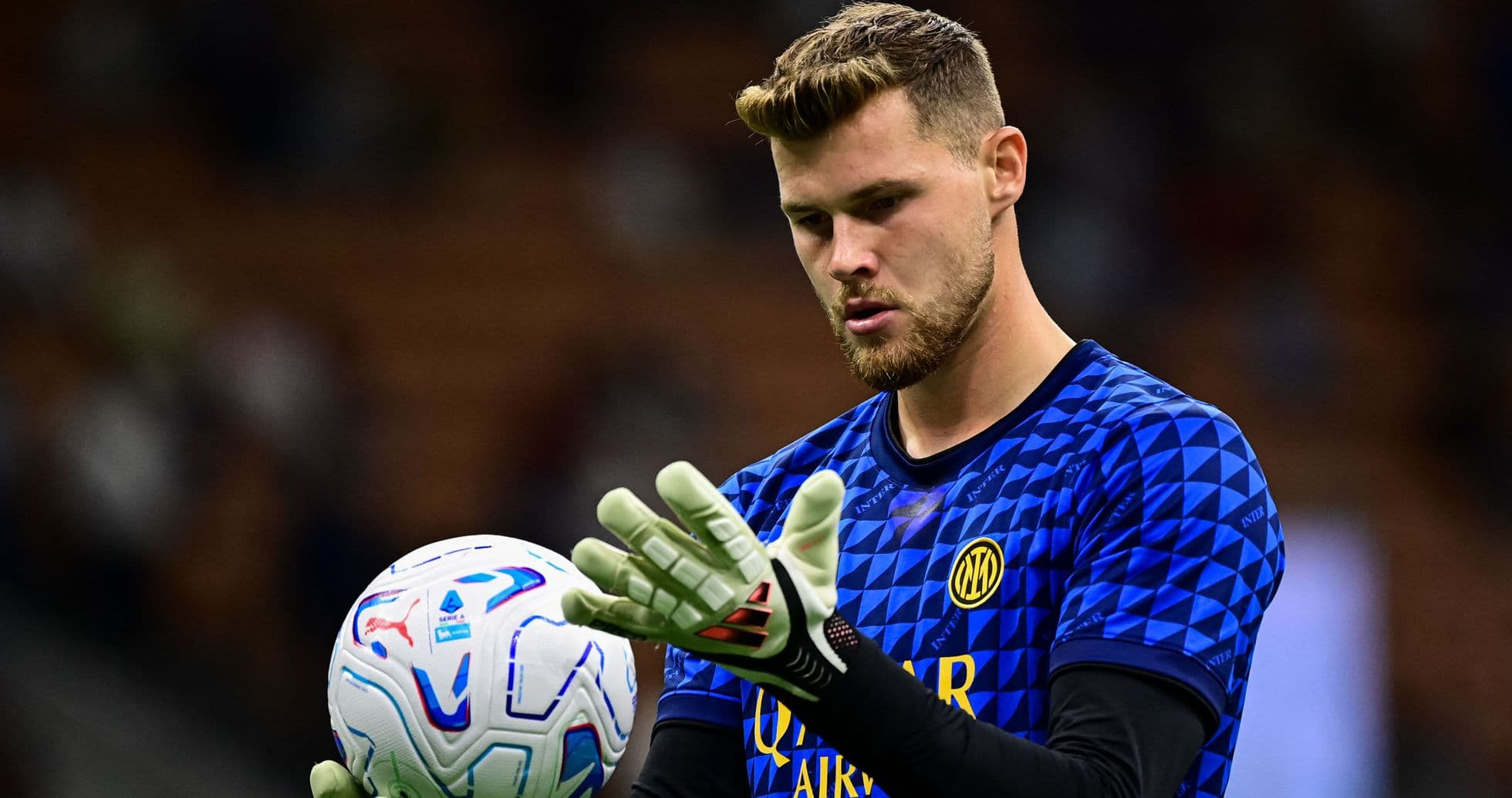
In goal, Mike Maignan (France) and Dean Henderson (England) both had to live with porous defensive phases in front of them. Maignan made 4 saves, Henderson 5, figures that align with the high volume of shots on goal (9 for France, 11 for England). The goals prevented metric — 0.05 for each goalkeeper — suggests that neither significantly overperformed or underperformed relative to shot quality; the story was more about the volume and clarity of chances allowed by the defensive structures than about goalkeeping errors or heroics.
Passing and Set-Pieces
Passing data adds another layer to the tactical picture. Both teams posted a 91% pass completion rate, but England attempted more passes (515 to France’s 445) and completed more (467 to 405). That extra circulation, particularly in the first half, allowed England to move France side to side, open central pockets for Rice and Eze, and create the conditions for Saka and Rashford to attack weak shoulders. France’s high accuracy at 91% in spite of a more direct second-half approach indicates that once Deschamps introduced Barcola and Dembélé, their vertical combinations became cleaner rather than hopeful.
Set-pieces and territorial cues also mattered. England earned 4 corners to France’s 3 and matched France on offsides (3-3), hinting at a slightly more advanced average line of engagement and more frequent final-third entries. Yet France’s late comeback attempt — capped by Dembélé’s 90+6' goal and followed by Jude Bellingham’s 90+8' response — showed how the game devolved into transitional, end-to-end phases where earlier positional structures were largely abandoned.
Conclusion
Overall, the statistical verdict matches the eye-test of a tactically split game: England’s superior early structure, central overloads, and box occupation produced a 4-0 platform and 2.58 xG; France’s adjustments, wing-oriented attacks, and more aggressive risk profile in the second half drove their 2.87 xG and four goals. The 6-4 scoreline is extreme, but it is rooted in coherent tactical swings rather than random chaos.