The Role and Responsibilities of a Football Team Captain
Wearing the captain's armband may seem straightforward, yet the duties behind it are far more complex. Captains influence their teams in ways that go well beyond what happens on the pitch.
What Does a Football Captain Do?
The captain’s visible tasks include leading the team onto the field, participating in the coin toss, and speaking to referees during matches. They manage interactions with officials and help keep teammates in check during heated moments.
Beyond this, captains serve as the crucial link between players and coaches. They translate the manager's strategies into terms players can accept and respond to. When performances falter, captains pinpoint issues and raise standards. They often take younger players aside to offer guidance before managers step in. On the field, captains constantly communicate, organizing positioning and making quick decisions on pressing and set-pieces. Their role also includes knowing who needs encouragement or a sharp word to refocus.
Emotional Control and Leadership
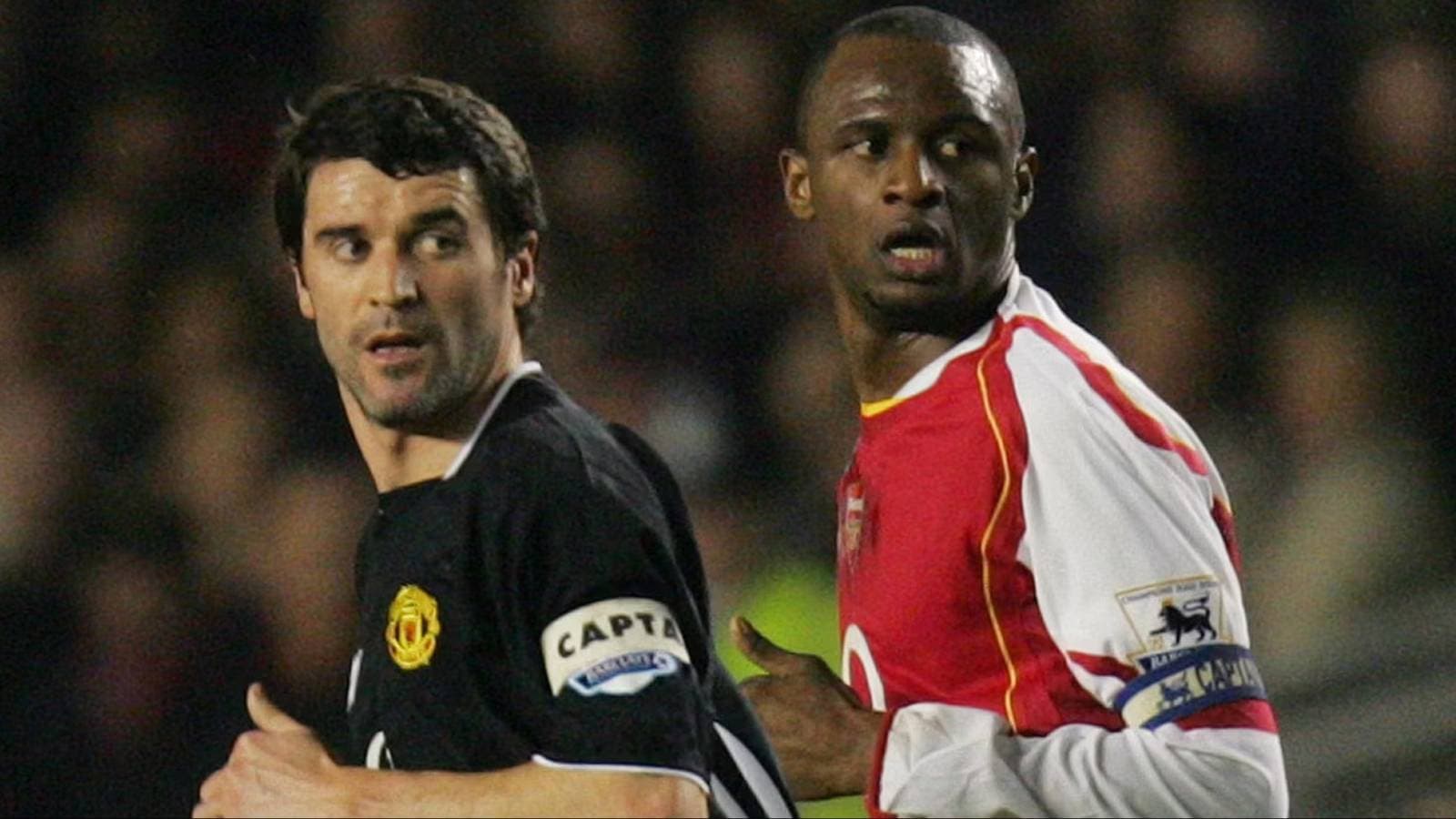
Great captains regulate the team's emotions amid the chaos of a match. Football can swing from intense highs to lows quickly, so maintaining composure is essential. For instance, Roy Keane’s fierce leadership channeled aggression for the team’s benefit. Other captains might display calmness, but the goal remains: uniting eleven players into a single, coordinated force.
What Makes a Good Captain?
Managers choose captains based on different qualities. Alex Ferguson preferred the fiery energy of Roy Keane, while Jurgen Klopp favored the steadiness of Jordan Henderson or sometimes Virgil van Dijk. Both approaches delivered Premier League success.
Certain traits are common among top captains:
- Respect from teammates is essential. Leaders must earn trust through consistency, professionalism, and putting the team above personal glory.
- Effective communication off the ball and on it helps captains understand when teammates need support or challenge.
- Accountability means captains hold themselves to the same high standards they expect from others.
Some of Football’s Greatest Captains
- Sergio Ramos joined Real Madrid in 2005 and led them to several Champions League and La Liga titles, commanding the defense with authority during dominant years.
- John Terry was Chelsea’s defensive rock for over a decade, contributing to a season where his team conceded only 15 goals. He remains the highest-scoring defender in Premier League history and collected numerous trophies including the Champions League.
- Didier Deschamps captained France to World Cup victory in 1998. Known as a defensive midfielder who prioritized winning the ball and enabling skillful teammates, his selfless leadership earned him the nickname 'water carrier.'
The captain’s armband itself doesn’t create a leader, but giving it to the right player can transform a team’s spirit and performance.