
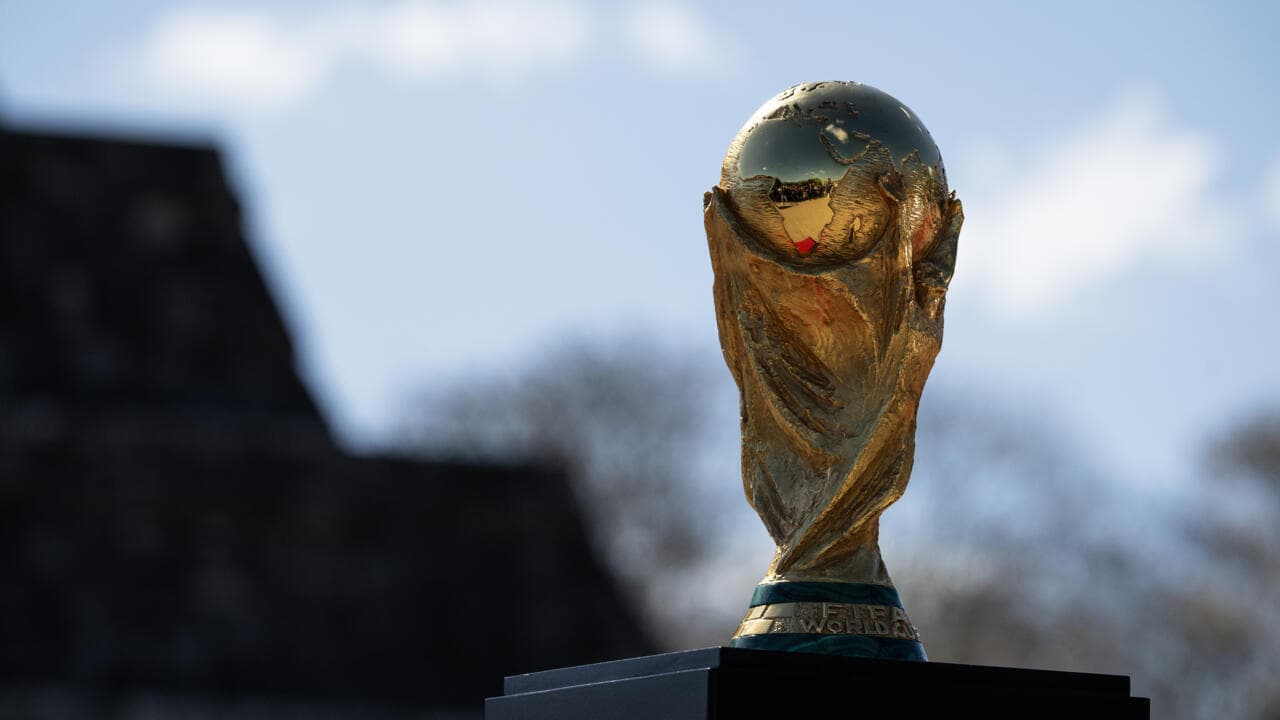
FIFA Increases Club Benefits to $355 Million for World Cup
FIFA has put a bigger price tag on the privilege of borrowing the world’s best players. On Thursday, the governing body confirmed that its Club Benefits Programme will rise to $355 million for the next World Cup cycle, a hefty 70 percent jump from the pot distributed after Qatar 2022.
The message is clear: as the World Cup grows, so does the bill – and clubs are finally seeing more of the money.
Bigger tournament, bigger cheques
This is not a cosmetic tweak. FIFA projects its overall revenue this year will be 56 percent higher than in 2022, and across the four-year cycle to 2026 – which includes the new, expanded Club World Cup in 2025 – it expects income to surge by 72 percent compared with the previous cycle.
The World Cup itself is ballooning. The field expands from 36 teams to 48, the match count jumps from 64 to 104, and the tournament stretches to 39 days, 10 more than the last edition. More teams, more games, more broadcast windows. And now, more money trickling back to the clubs who supply the talent.
For the first time, that trickle includes qualifying. Clubs will be compensated not only for players at the finals but also for those involved in the long, grinding road to get there.
How the $355 million is carved up
FIFA has split the fund into three distinct blocks.
The largest share, $250 million, is set aside for players who make it to the finals. The governing body has calculated a minimum payment of $5,000 per player, per day spent at the World Cup, with final figures to be locked in once the tournament ends. Every day a player is in camp – from the moment they report to their national team until their last involvement – adds to the tally.
Those payments, FIFA said, “will be calculated on a per-player, per-day basis, taking into account both squad inclusion and the duration of each player's involvement”. In simple terms: if your player is there and stays there, your club gets paid.
Another $100 million is earmarked for qualifying. Across 905 qualifying matches, FIFA says it will pay $2,362 for each player named in a match-day squad. That rate also applies to 10 friendlies for each of the three host nations, who qualify automatically but still need fixtures to prepare.
The final $5 million is allocated to administrative costs. Any leftover from that slice, FIFA insists, will be “allocated to the benefit of global club football”.
Clubs finally see the upside
For years, clubs have argued that they shoulder the risk while national teams and FIFA reap the reward. The expanded programme does not erase that tension, but it does mark a tangible shift in the financial balance.
“This is another benefit from the expanded FIFA World Cup – providing more support across the entire football ecosystem to the clubs that provide all the players who compete to shine on the global stage,” said FIFA president Gianni Infantino in the statement announcing the plan.
The mechanics matter here. Payments are tied to a player’s club registration when squads are officially announced, but FIFA has built in rules for those who change clubs during the tournament and for replacement call-ups. The aim is to avoid disputes and make sure the club actually employing the player during the World Cup window is not left out.
The World Cup is getting longer, heavier, more demanding. Players will travel further, play more often, and stay away from their clubs for longer stretches. FIFA’s new numbers do not solve the calendar crunch or the injury risk, but they do something clubs have long demanded: they attach a clearer, higher price to every World Cup minute their players give.





