
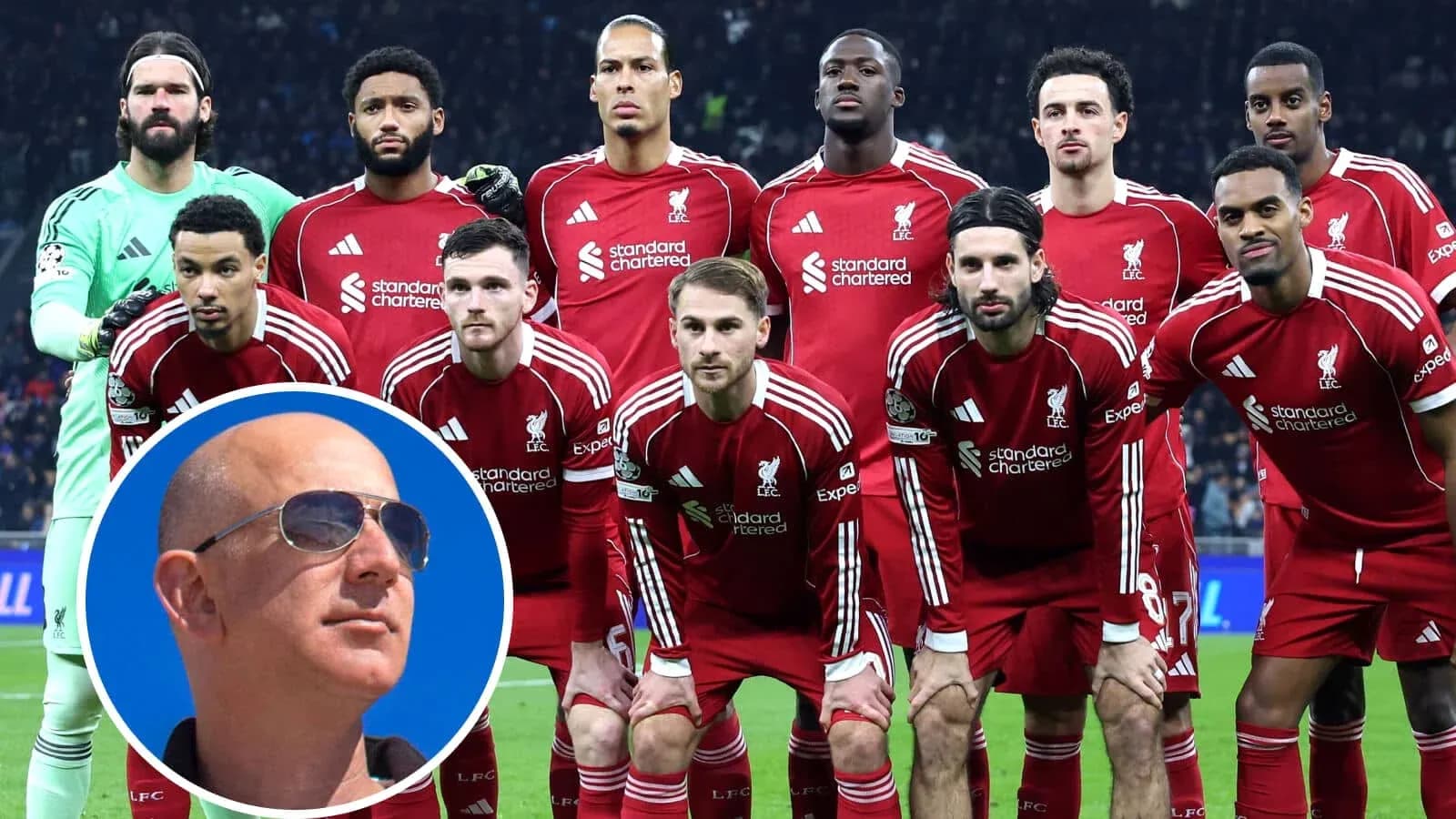
Fenway Sports Group Not Selling Liverpool: Focus on Strategic Investment
Fenway Sports Group are not putting a ‘For Sale’ sign over Anfield. Not now, and not any time soon.
Despite a swirl of reports and renewed noise around outside money coming into Liverpool, senior figures close to the situation are adamant: FSG are chasing what they call “strategic investment”, not a full or majority takeover. The message from Boston is clear. This is about reinforcement, not retreat.
Long-term owners, long-term view
John W. Henry and Tom Werner, the public faces of Fenway Sports Group, are described by sources as “as committed as ever to Liverpool” and still viewing the club as a “long-term cornerstone” of their portfolio. That language matters. It tells you how FSG see Liverpool – not as a tradeable asset to be flipped at the right price, but as a central pillar of their wider sporting empire.
They believe any fresh capital has to sharpen Liverpool’s competitive edge, on the pitch and in the boardroom. Investment, in their eyes, should fund another step forward, not signal the first step out of the door.
Since buying the club from George Gillett and Tom Hicks in 2010 for around £300 million, FSG have poured money into the bricks, mortar and machinery of modern success. Anfield has been reshaped and expanded. The AXA Training Centre has replaced Melwood as the club’s high-performance hub. Football operations have been rebuilt into a structure that those inside FSG now regard as among the most sophisticated in the game.
The ownership group believe Liverpool stand today as one of the best-equipped clubs in world football. That belief underpins their refusal to cede control.
Investors at the door – but not buyers
That does not mean the phone lines are quiet. Far from it.
TEAMtalk understands that FSG have held discussions with a number of high-profile potential investors as they continue to test the market for strategic partners. Among those to have spoken with the group is former Queens Park Rangers co-owner Amit Bhatia. Sources confirm talks have taken place, but describe them as exploratory – part of a broader process of sounding out opportunities rather than anything resembling hard negotiations over a sale.
The same applies to conversations with other heavyweight business figures, including Amazon founder Jeff Bezos, who has been linked with a possible move into Liverpool. His name carries global weight, and naturally sparks headlines, yet those familiar with the discussions insist they should not be read as FSG edging towards the exit.
From FSG’s perspective, these talks are a continuation of a model they already know.
In 2011, NBA icon LeBron James and his business partner Maverick Carter acquired a small minority stake in Liverpool. The deal was not just about cash. FSG saw it as a way to supercharge the club’s global profile, tapping into James’ enormous reach and brand power. A decade later, in 2021, James increased his involvement and became a major partner in the club.
That is the template. Smart, targeted minority investment that adds more than money.
TEAMtalk understands FSG are open to further minority investors who can drive Liverpool’s growth, but the bar is high. Any new partner must bring clear strategic value. Control of the club is not on the table.
Sources stress there is “no appetite” inside FSG to hand over the keys. The group are convinced Liverpool are well placed for sustained success and are determined to keep the club embedded among Europe’s elite for years to come.
Squad-building, not exit-planning
All of which feeds into the football side, where attention is fixed on giving Andoni Iraola the tools to drag Liverpool back into the thick of the trophy fight after what is seen as a stagnant season under Arne Slot.
The recruitment priority is clear: a new winger sits at the top of the list. On Thursday, it emerged that Bradley Barcola could force Paris Saint-Germain to sell and open the door to what has been described as an “absolutely outrageous” move to Anfield. A signing of that scale would underline precisely why FSG want the right kind of investment – to chase elite talent, not merely to balance books.
Liverpool have also been mentioned in connection with a potential hijack for Maghnes Akliouche. Those links have gathered pace in some quarters, but sources have moved quickly to knock them down, explaining why such a move is not on the cards and pointing instead towards the Monaco midfielder’s likely next destination away from Merseyside.
So the picture is this: owners staying put, minority investors being carefully vetted, infrastructure in place, and a squad in need of a fresh jolt of quality out wide.
For all the speculation about sales and stakes, the real question around Liverpool is not who will own the club, but whether this next round of “strategic investment” can power them back to the top of Europe – and how quickly Iraola can turn that backing into silverware.





