FC Tulsa's Dominance Over Monterey Bay: A Tactical Analysis
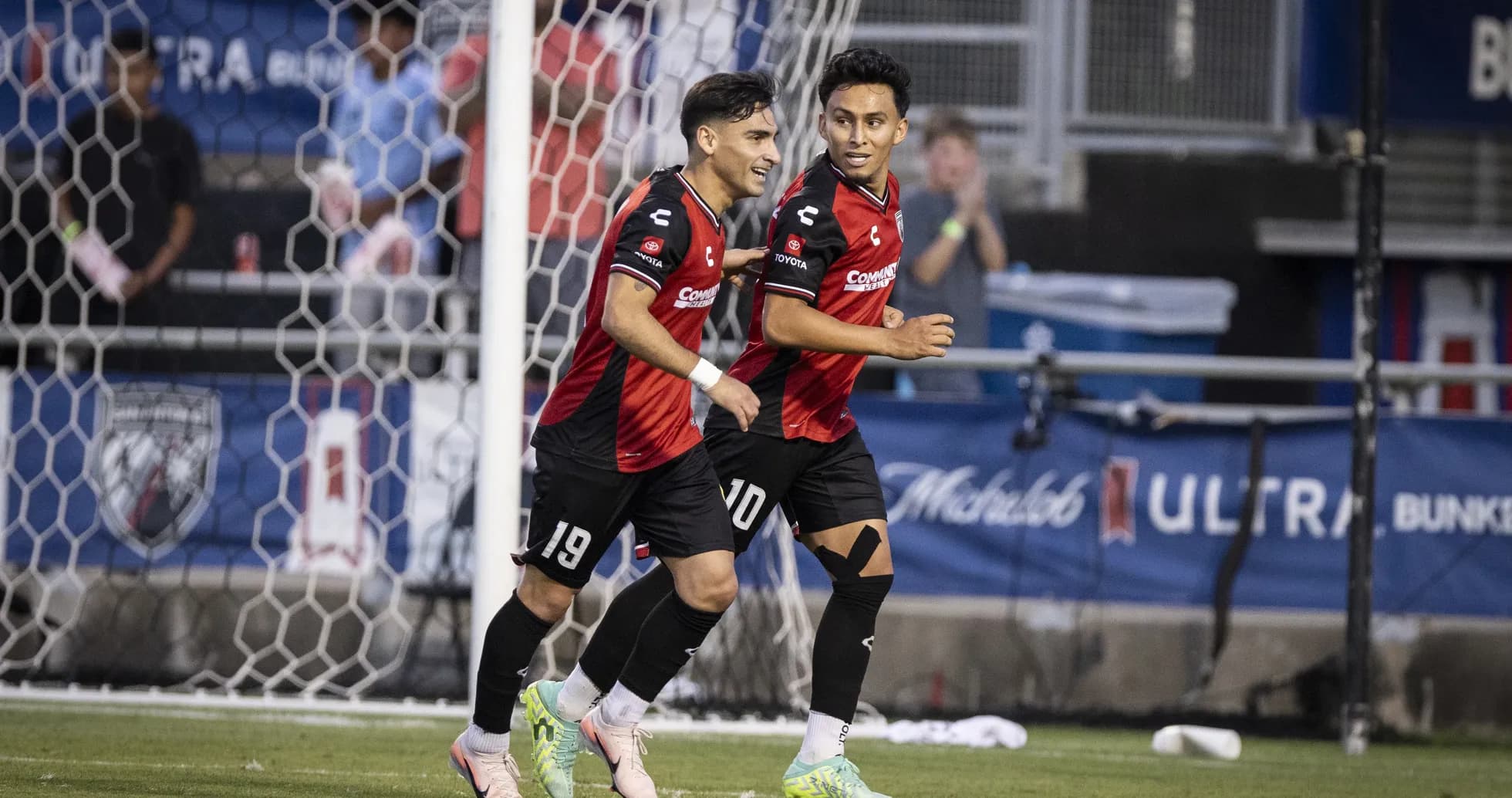
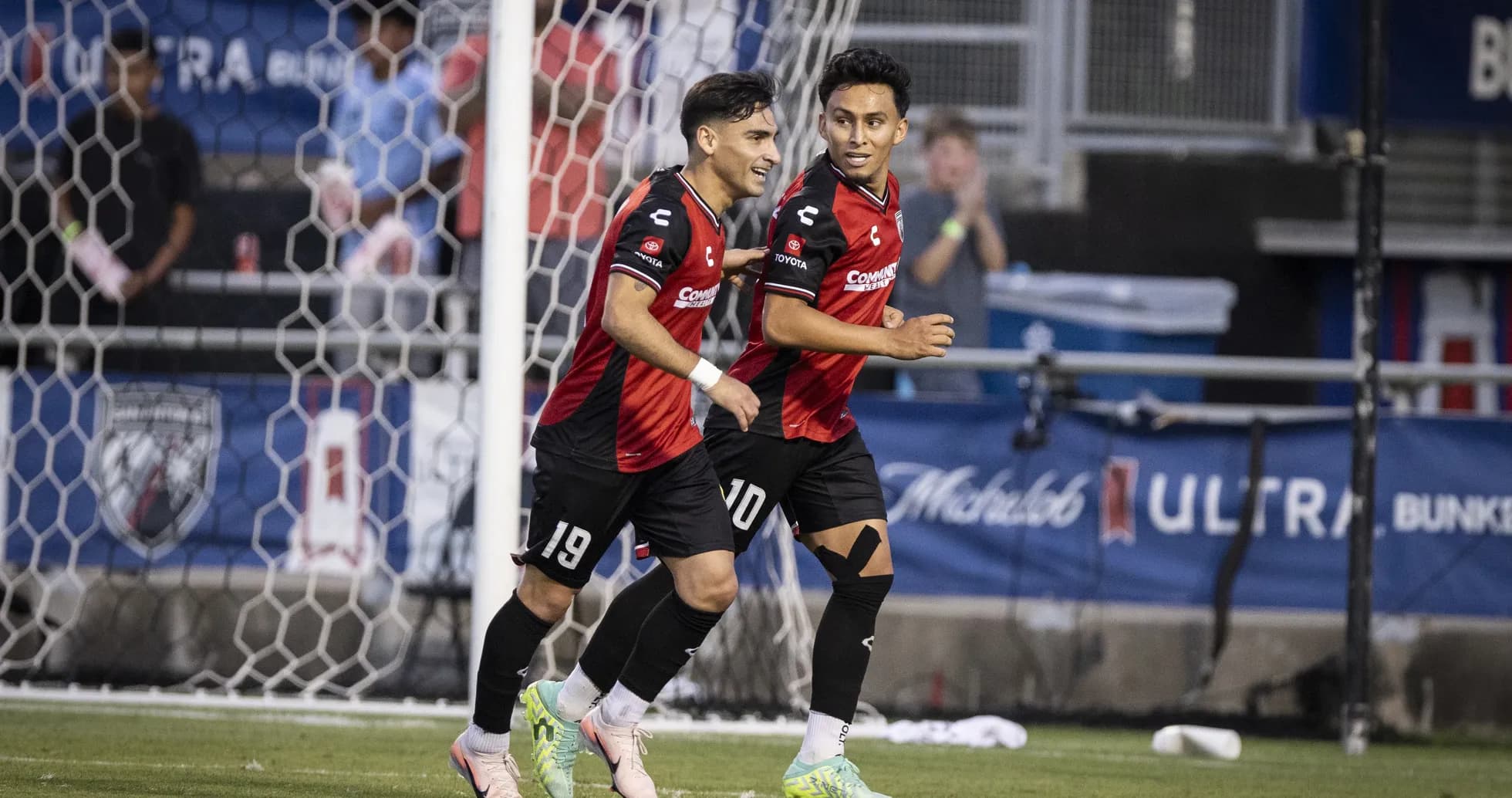
Under the lights at ONEOK Field, FC Tulsa’s 2–0 win over Monterey Bay felt less like a group-stage skirmish and more like a statement of identity from a side settling into the upper reaches of the USL Championship. With R. Albuquerque overseeing a contest that never quite boiled over but always simmered with tactical tension, the third‑placed hosts showed why their seasonal DNA is that of a controlled, defensively assured playoff contender, while 12th‑placed Monterey Bay again wore the scars of a fragile away record.
Heading into this game, FC Tulsa’s profile was clear: compact, disciplined, and efficient. Overall they had 16 goals for and 14 against in 12 matches, a goal difference of 2 built on balance rather than fireworks. At home, they were even more measured: 8 goals scored and only 4 conceded across 6 fixtures, an average of 1.3 goals for and 0.7 against. The clean‑sheet count at ONEOK Field — 3 at home, 4 in total — told the same story as this 2–0: Tulsa like games to stay on their terms, in their tempo, in their half of the pitch.
Monterey Bay arrived as the archetypal dangerous but brittle visitor. Overall, 13 goals for and 22 against across 13 matches left them with a goal difference of -9, and on their travels the numbers were even starker: 4 goals scored and 14 conceded in 6 away outings, an away average of just 0.7 goals for against 2.3 against. Their 0 wins, 1 draw and 5 defeats away framed this tie as an uphill climb from the first whistle.
Team Formation
Luke Spencer’s XI was set up with a spine built for control. A. Tambakis in goal fronted a back line anchored by L. Batista and A. Clarke, with H. St.Clair and Ian offering width and recovery legs. In front of them, J. Webber and J. Kocevski formed the metronome and screen, allowing the attacking quartet of G. Robinson, B. Sparks, R. Cabral and L. Dorsey to stretch Monterey’s shape horizontally and vertically.
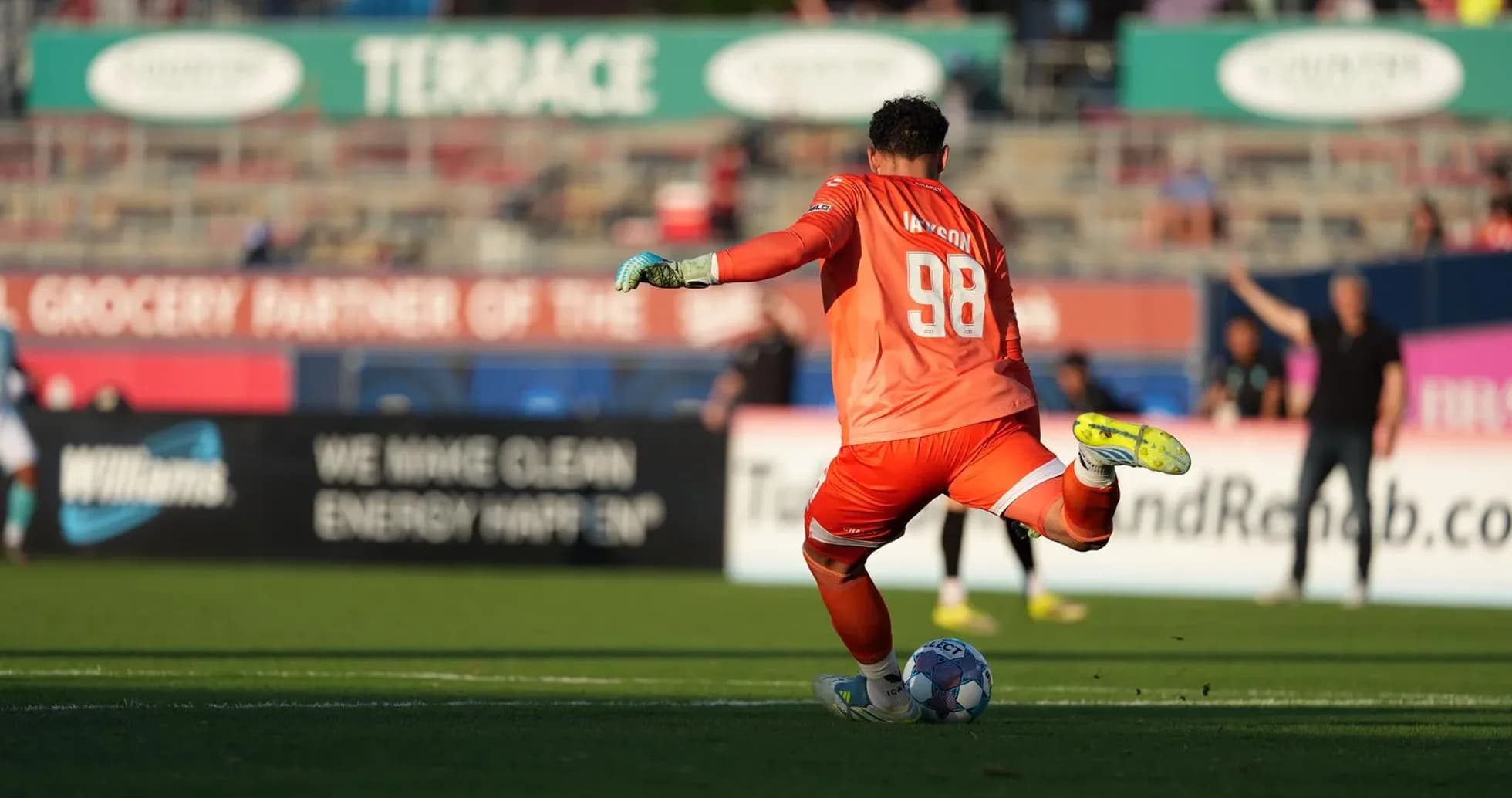
Alex Covelo’s Monterey Bay leaned on experience and versatility. J. Jackson started in goal behind a defensive unit featuring N. Gordon, Z. Farnsworth, K. Egwu and J. Garcia. The midfield blend of R. Nakamura, S. Ritchie and S. Lletget was designed to keep the ball and break lines, with J. Belmar and W. Leggett tasked with supporting I. Paul in the final third. On paper, it was a side capable of playing, but the context of their away form meant they had to be near‑perfect defensively.
Psychological Factors
The tactical voids in this match were less about absences — no missing‑players list was reported — and more about psychological baggage. Tulsa came in with form that had steadied into something convincing: 5 wins, 4 draws and 3 losses overall, with a biggest home win of 2–0 and a worst home defeat of just 0–1. Monterey, by contrast, carried the imprint of 8 total losses, including a heaviest away defeat of 4–1 and no away clean sheets at all.
Disciplinary patterns underpinned the way both sides approached duels and transitions. Tulsa’s yellow‑card profile this season is weighted to the second half: 25.00% of their cautions between 61–75 minutes and 21.88% from 76–90, a late‑game surge that hints at a side willing to foul to protect leads and disrupt counters once fatigue sets in. Monterey Bay’s curve is even sharper: 28.21% of their yellows from 61–75 and 23.08% from 76–90, plus a solitary red card in the 61–75 window. That history of late‑game ill‑discipline away from home loomed large once Tulsa went ahead and forced them to chase.
Game Dynamics
Within that framework, the “Hunter vs Shield” dynamic tilted decisively toward the hosts. Tulsa’s attack, averaging 1.3 goals at home, faced a Monterey away defence shipping 2.3 goals per match. The first goal — coming after Tulsa had already established territorial superiority — felt like the inevitable collision of those trends. With R. Cabral drifting between the lines and L. Dorsey constantly threatening the channels, Monterey’s back line was repeatedly forced into retreat, unable to compress space in front of S. Lletget and R. Nakamura.
On the other side, Monterey’s offensive “Hunter” profile was blunted by context. An away average of 0.7 goals for, against a Tulsa home defence that concedes just 0.7, set up a narrow margin for error. Tambakis, protected by the positional discipline of Batista and Clarke and the screening of Webber and Kocevski, rarely faced the kind of chaotic, second‑ball sequences that Monterey’s attack thrives on at home. When Monterey did manage to progress, the final action lacked conviction, a reflection of a side that has failed to score in 5 matches overall, including 2 on their travels.
Midfield Battle
The “Engine Room” duel was quietly decisive. Webber and Kocevski operated as Tulsa’s double pivot, recycling possession and breaking up play before Monterey’s midfield could build rhythm. S. Lletget, nominally the visitor’s playmaker, often found himself receiving under pressure or with his passing lanes cut by Tulsa’s compact 10‑man block behind the ball. R. Nakamura’s attempts to drop deeper and help progression only served to disconnect Monterey’s front three from their midfield.
Without detailed xG numbers, the statistical prognosis must lean on structural evidence. Heading into this game, Tulsa’s combination of home solidity (3 clean sheets, just 4 goals conceded at ONEOK Field) and reliable scoring rate created a high‑floor, medium‑ceiling profile: they do not need a flurry of chances to win, but they are exceptionally good at turning modest xG into results by controlling where and how the game is played. Monterey’s away trends — high goals against, low goals for, no away clean sheets — point to an xG landscape where they are routinely conceding more and better chances than they create.
Following this result, the 2–0 scoreline fits the season’s logic almost perfectly. Tulsa’s defensive platform and late‑game game‑management, underlined by their card timing and clean‑sheet record, once again turned a solid performance into three points. Monterey Bay, still searching for their first away win and a way to stabilise their back line, leave Oklahoma with the same questions: how to turn a technically capable squad into one that can survive, and then thrive, on their travels.