Patrick Vieira Appointed Head Coach of Senegal National Team
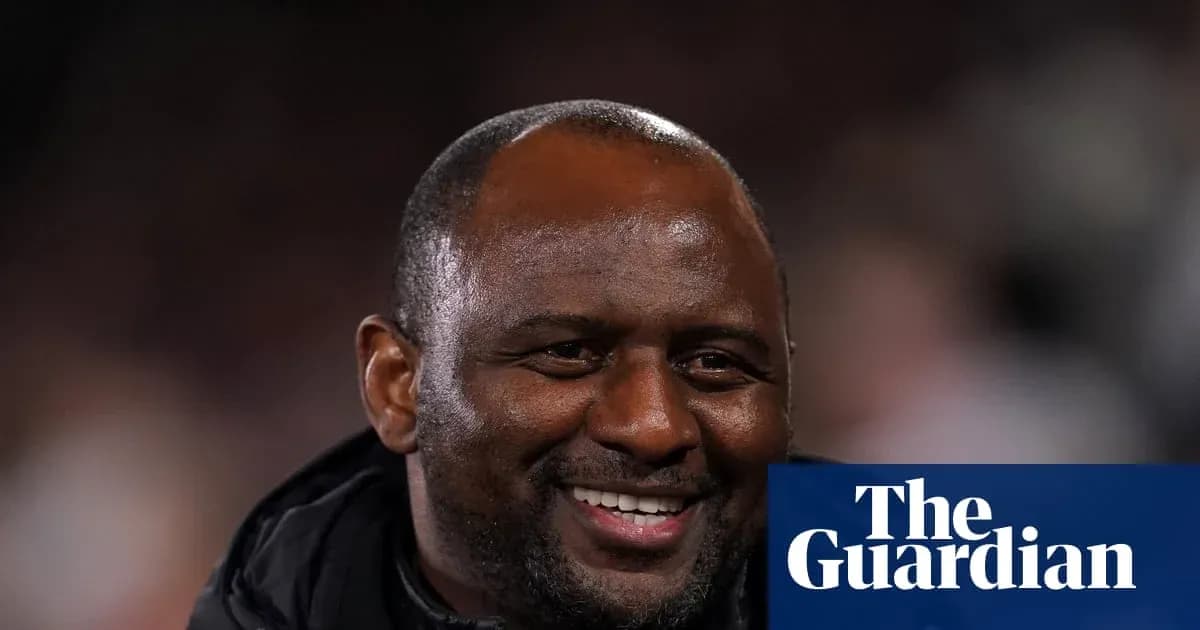
Patrick Vieira is back in management – and this time, he’s going home.
The Senegal-born former Arsenal captain has been named head coach of the Senegal national team, stepping into the role after Pape Thiaw’s dismissal in the wake of the country’s World Cup exit to Belgium in the last 32 this summer.
“Mr Patrick Vieira is the new coach of the Senegalese national A team,” read the federation’s statement, which confirmed the appointment but kept the finer details under wraps. “The date of the official presentation and the next steps in its installation will be communicated at a later date. Welcome to Senegal, coach.”
For Vieira, 50, it is a return to his roots and another high-profile chapter in a managerial career that has already taken him across three major leagues and two continents.
From midfield enforcer to touchline leader
As a player, Vieira defined an era. With Arsenal he lifted three Premier League titles, anchoring Arsène Wenger’s great sides and captaining the “Invincibles” of 2003-04. On the international stage he stood at the heart of a golden France generation, winning the World Cup in 1998 and the European Championship in 2000.
His coaching path has been equally global. Vieira first cut his managerial teeth at New York City, then moved to Ligue 1 with Nice, where he began to build a reputation as a modern, detail-driven coach.
The Premier League called again when Crystal Palace handed him the reins. He spent nearly two years in south London before being sacked in March 2023. Strasbourg then offered him a route back into French football, and after that came a 12‑month spell in Serie A with Genoa, which ended last November.
Since leaving the Italian club, Vieira had been out of work. Now he steps into one of the most intriguing jobs in international football, tasked with reshaping a side still dealing with the sting of a World Cup exit and the sudden change in leadership.
The timing is bold. The expectations will be high. And for Senegal, turning to a World Cup-winning son of Dakar sends a clear message: this is a project built on pedigree, identity, and the demand to compete at the very top.