Everton's Transfer Window Chaos: Balogun Deal Fails
Everton’s transfer window did not just end badly. It collapsed in public, under floodlights, with the fanbase in open revolt and the club’s hierarchy squarely in the firing line.
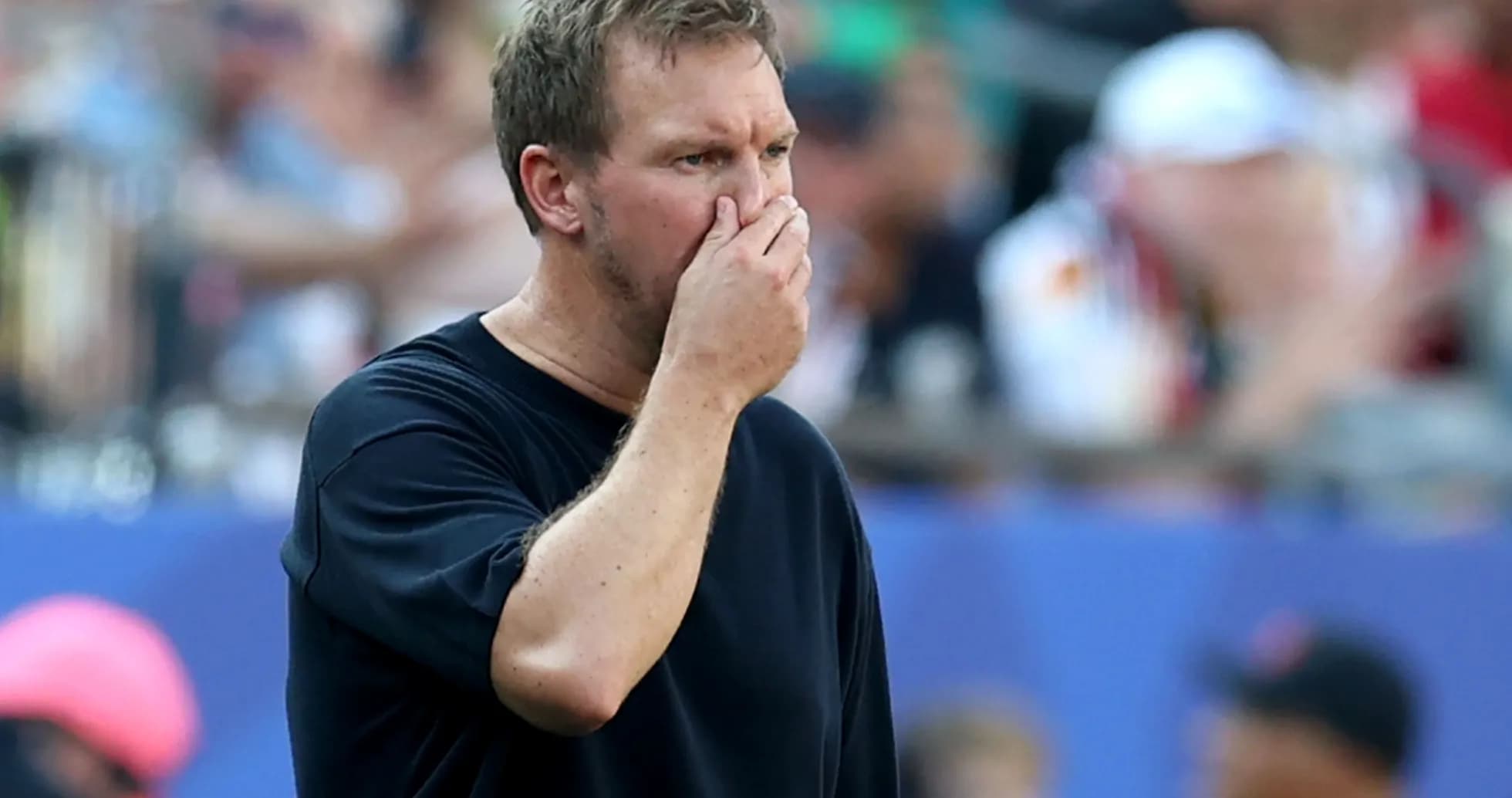
The Friedkin Group and chief executive Angus Kinnear now sit at the centre of a storm that has been building all summer and finally broke across a chaotic final 24 hours.
Balogun saga turns into farce
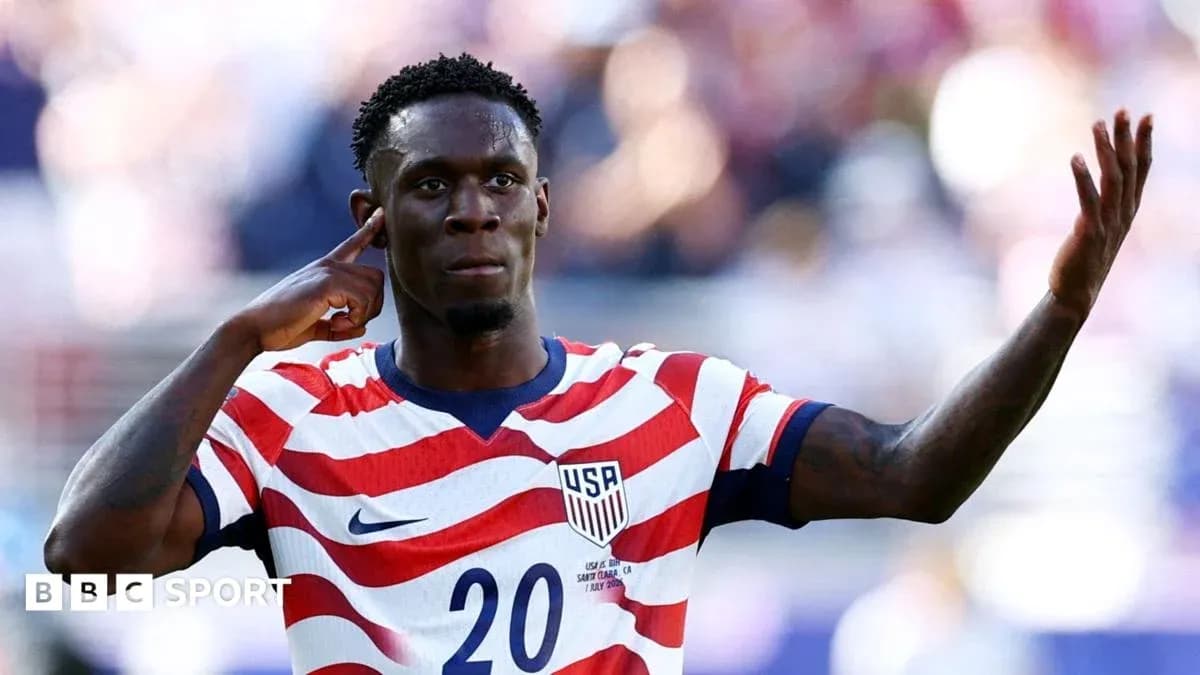
The breaking point came with the extraordinary collapse of Folarin Balogun’s move from AS Monaco.
The deal was supposed to be done. A £40m transfer agreed, the deal sheet signed by both clubs and the player, allowing the move to be completed after Tuesday’s 23:00 BST deadline. Everton had an 8am flight booked to bring the 25-year-old United States striker to Merseyside.
He did not make that flight. He arrived later, with Everton already irritated by delays in receiving documents from Monaco. Then the medical threw up issues. Negotiations were reopened. The original agreement was reshaped into a structure with a smaller up-front fee and a series of performance-related payments. Balogun’s personal terms stayed the same.
By the time a new agreement was finally reached, minutes before the cut-off, Everton believed they had salvaged it. Instead, the player walked away.
Balogun left Finch Farm without signing, and Monaco sporting director Thiago Scuro later told journalists the former Arsenal forward was “not comfortable” with how Everton had treated him during the medical.
Everton insist they were transparent about the medical findings and supportive of the player, stressing they were prepared to work with Monaco on a solution that would still have seen the transfer go through. None of that mattered in the end. The striker chose not to join.
Scramble for strikers, and another door slams shut
As the Balogun deal wobbled, Everton lurched into a frantic search for alternatives.
They turned to Manchester United’s Joshua Zirkzee. The Dutch forward was ready to sign on loan, but United refused to sanction his departure from Old Trafford. Attention moved to Aston Villa’s Tammy Abraham. Everton made an approach; Abraham opted to stay at Villa Park. No deal.
So Everton circled back to Balogun, pushed through the reworked agreement with Monaco, and thought they had their man. Instead they were left with nothing, and a fiasco that has become a symbol of a wider dysfunction.
All this played out just hours after Everton had allowed striker Beto to leave for Fiorentina in a £15.5m deal.
At the same time, their most creative player, Iliman Ndiaye, was completing a £65m move to Manchester City. Goals and invention out of the door, no new centre-forward through it.
Everton can argue that Balogun made a personal decision they could not control. The more damning question is why a club with glaring, long-standing issues up front waited until the final day of the window to address them.
Kinnear’s ‘good place’ comes back to haunt him
Kinnear had recently told BBC Radio Merseyside that Everton’s squad was “in a good place”.
“The challenge is we want to get the absolute best player we can in their position,” he said. “Our metric is that by the close of the transfer window we have achieved that.”
He also relayed the view of the American owners that missing out on Europe last season was “failure”. Manager David Moyes admitted that description came as a “surprise”.
After this week, “failure” is the word now being thrown back at The Friedkin Group and Kinnear, not at Moyes. And if results turn, there will be nowhere to hide.
The “good place” Kinnear spoke of has left Moyes with a single senior striker in the raw Thierno Barry and only 18 senior outfield players. It is a threadbare situation for a 63-year-old manager who has barely concealed his frustration with the club’s summer business.
Everton did manage to re-sign Jack Grealish on loan and finally address a long-running right-back problem by bringing in Ashley Maitland-Niles from Lyon for £3m. Those moves cannot disguise the overall picture: a window that ends with the squad looking lighter, not stronger.
Right-back chase sums up the muddle
Even the long-awaited solution at right-back underlined the muddled thinking.
Everton had lined up a £9.4m deal for Fulham’s Kenny Tete, only for it to be abandoned when the London club failed to source a replacement. Maitland-Niles was eventually confirmed shortly after midnight.
The numbers are stark. One recognised striker in Barry. One recognised right-back in Maitland-Niles. One left-back in Vitaliy Mykolenko after youngster Adam Aznou was allowed to join Malaga on loan.
The club only just avoided one public relations disaster by pulling the plug on the proposed sale of 19-year-old Harrison Armstrong to Nottingham Forest after an explosive reaction from supporters. Armstrong is widely seen as Everton’s brightest academy talent since Wayne Rooney. Abandoning that deal spared them one crisis, only for deadline day to deliver another, arguably more damaging one.
Fans turn on the hierarchy
Moyes did not mince his words after the Carabao Cup second-round win at Preston North End.
“I still think we have got a lot of work to do,” he said. “We need more players. Our squad is not big enough and we need to get more quality in some areas if we can do.”
If the manager chooses to expand on those thoughts now, his words will carry serious weight. Supporters have already made their feelings plain.
A petition calling for Kinnear’s resignation has been launched. “The Everton Fans’ Forum” issued a detailed statement accusing the club of leaving the squad “dangerously short” in key positions.
Their message was pointed: this was not a demand for reckless spending or vanity signings. It was a demand for “competence, preparation and accountability”.
“The 1878s”, the influential fan group behind the huge flags, banners and tifos that have transformed the atmosphere at the new Hill Dickinson Stadium, have gone further. In a statement, they announced they are “standing down for the foreseeable future” in protest.
“Like the rest of our fanbase, we are utterly disappointed and disgusted with how this transfer window has gone, especially the end of it,” they said.
They explained that regulations prevent them from using offensive wording or images on flags. If they could display their anger inside the ground, they insisted, they would. For now, their silence and absence will do the talking.
Signings overshadowed by chaos
Strip away the noise and there were signings.
Hayden Hackney, the PFA Championship Player of the Year, arrived from Middlesbrough. Christian Norgaard joined from Arsenal as a replacement for Idrissa Gueye, although the 32-year-old Dane is injured with no return date set.
Young German Merlin Rohl signed, as did England Under-21 winger Tyrique George, whose loan last season has been turned into a permanent stay. Brennan Johnson came in from Crystal Palace in a straight swap with Dwight McNeil.
On paper, that is a reasonable list. On the pitch, and in the stands, it feels almost irrelevant after a deadline day that descended into a debacle.
Everton finish this window looking markedly weaker than when they entered it. They have lost goals, creativity and depth. They have one senior striker and a manager who wanted “more players” and “more quality” and got neither in key areas.
The club has yet to issue any public explanation of how it came to this: the Balogun collapse, the late scrambles, the thinning squad, the furious supporters, the fan groups stepping back, and the owners’ credibility under heavy fire.
Many fences now need mending. The question is not just whether Everton can fix them. It is whether they can do it quickly enough to stop this transfer-window embarrassment turning into a full-blown crisis on the pitch.