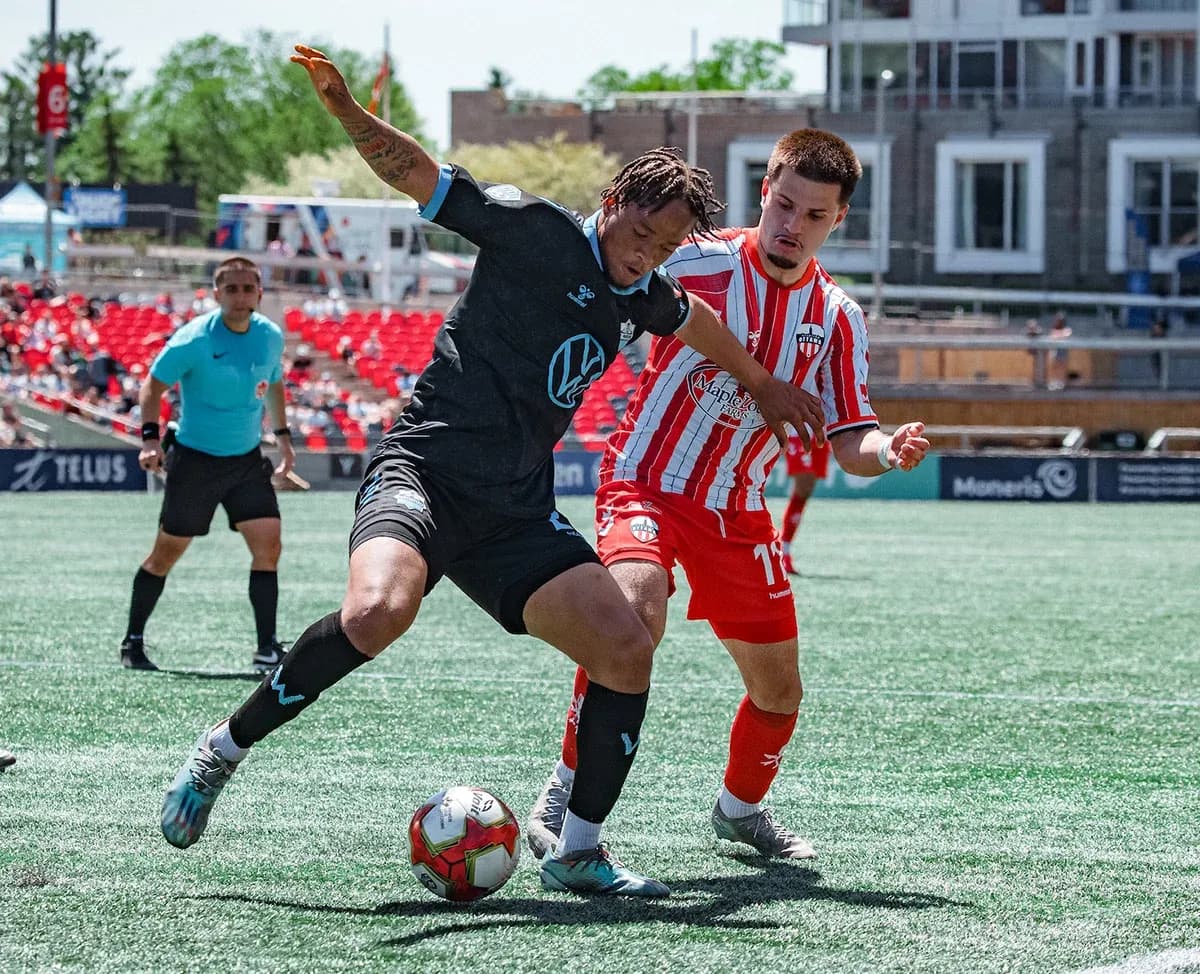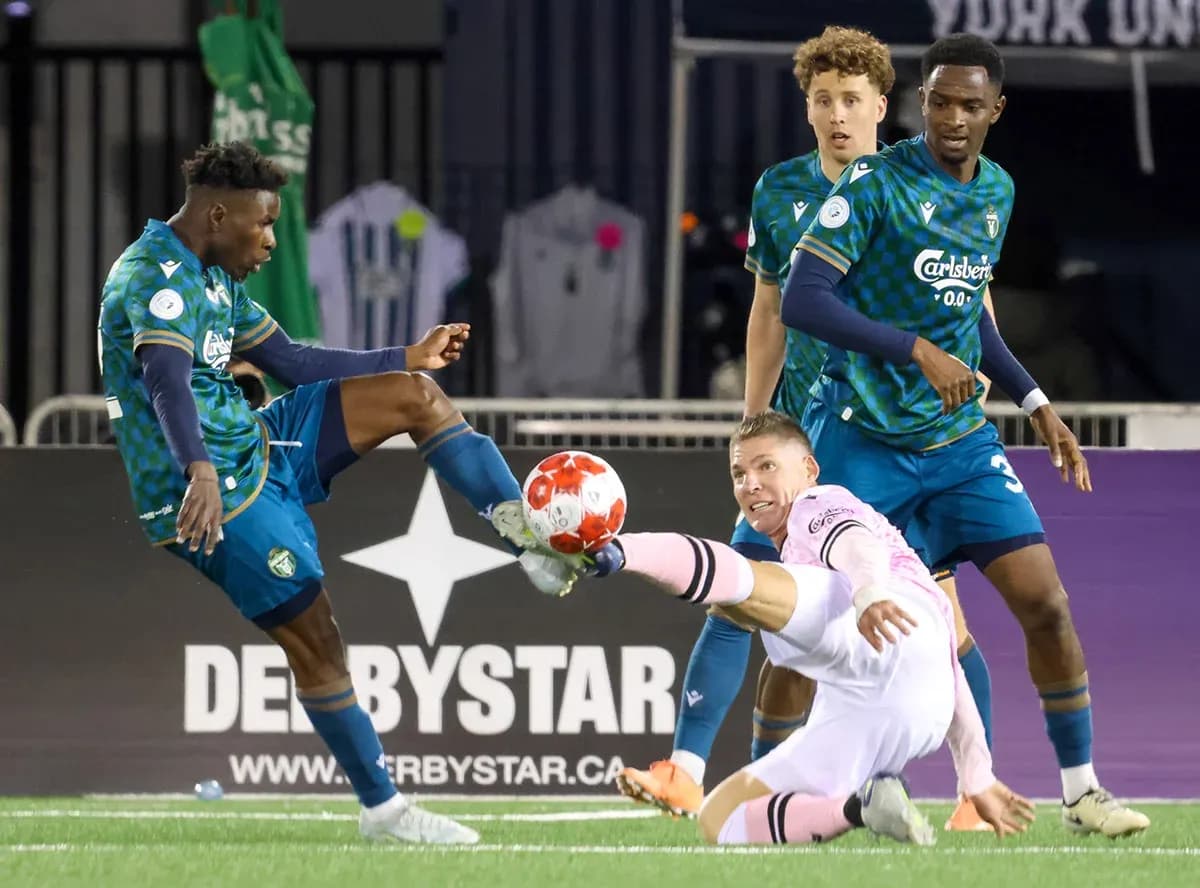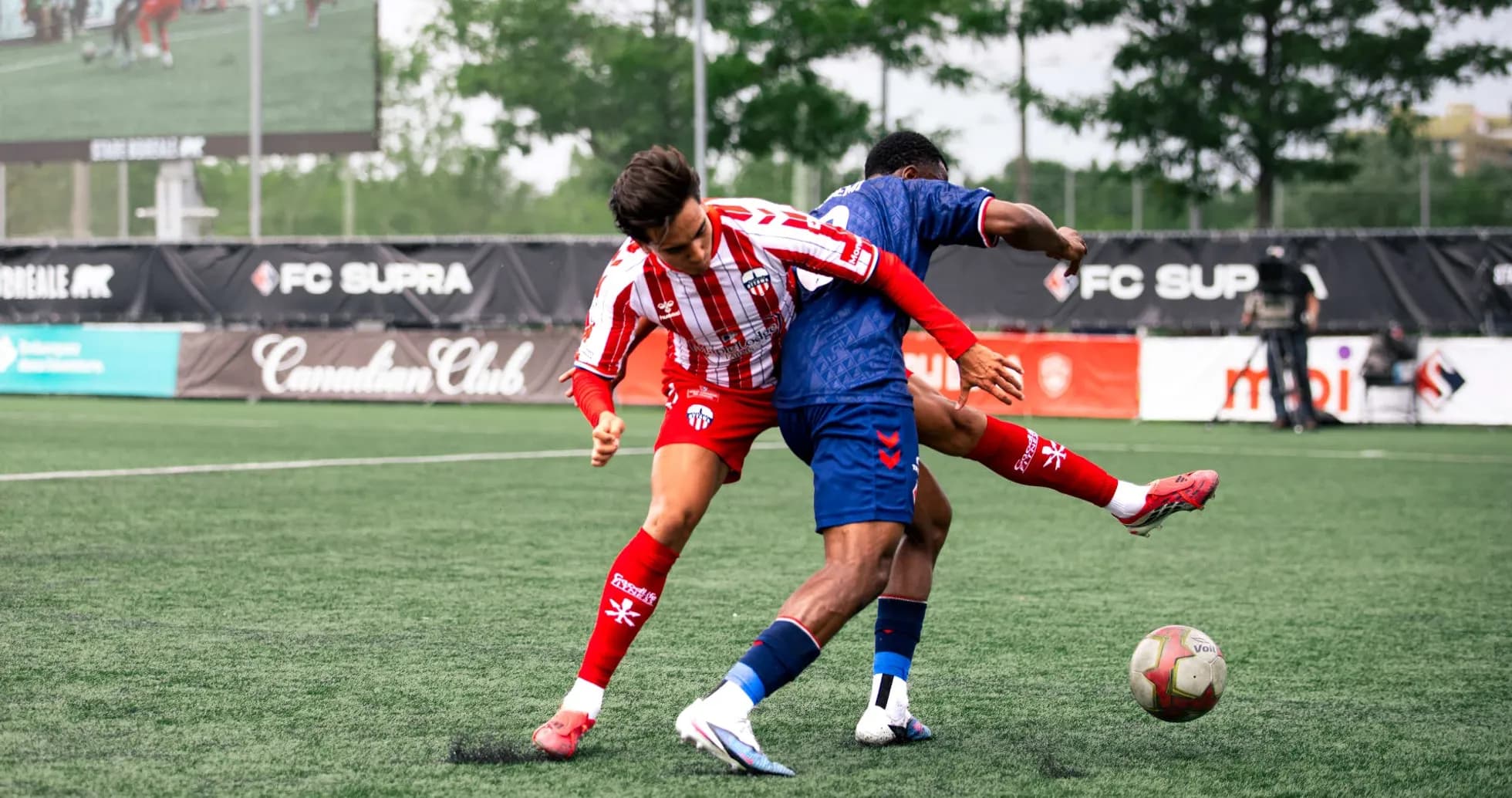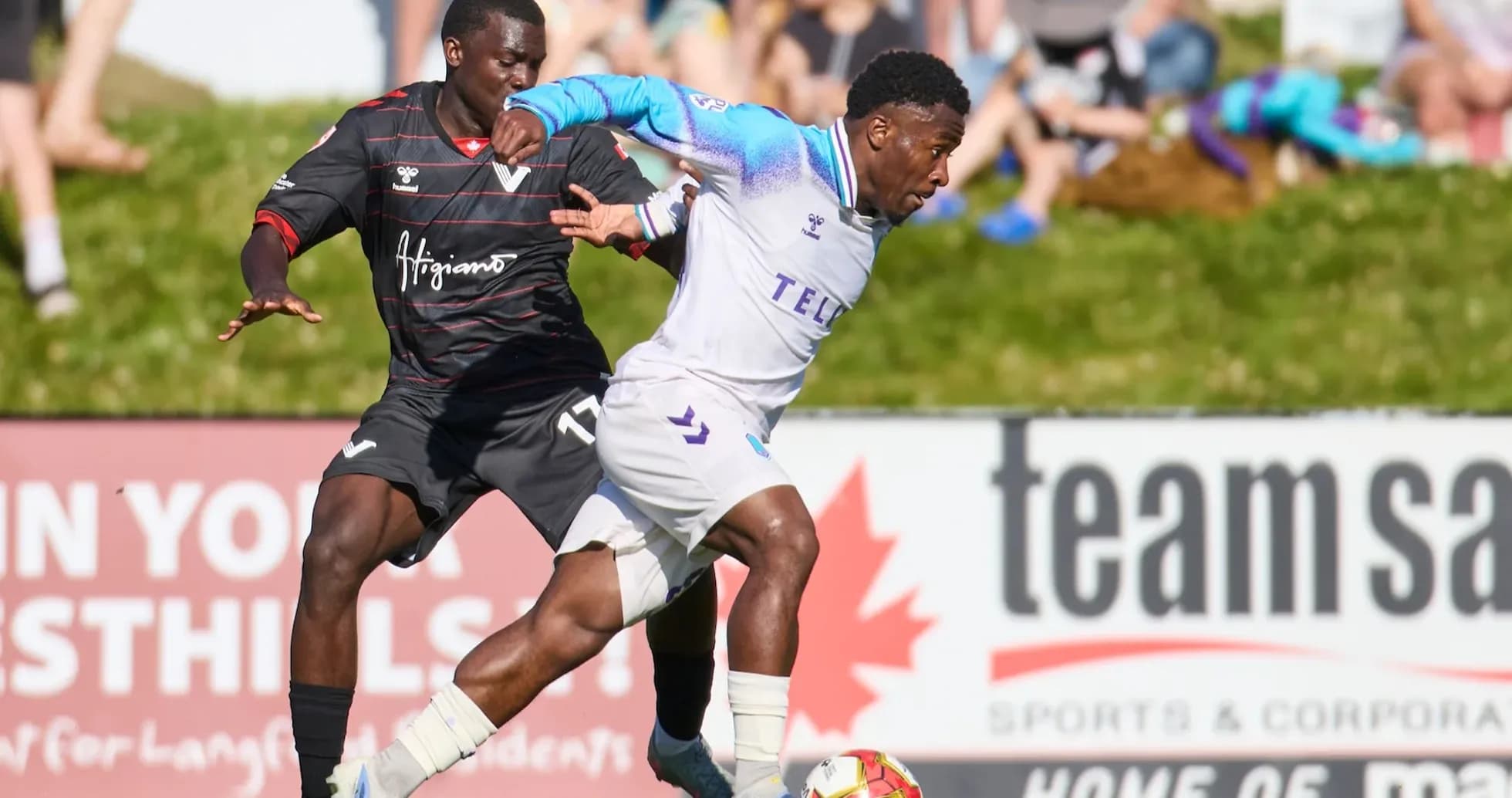
Cavalry FC vs Forge: A Tactical Clash in the Canadian Premier League
Under the Foothills County floodlights at ATCO Field, Cavalry FC and Forge met as the Canadian Premier League’s twin poles: first against second, two sides separated by four points but sharing the same conviction that the title race runs through them. The 1–1 full-time scoreline felt less like a conclusion and more like a chapter marker in a rivalry built on fine margins and structural clarity.
Cavalry’s Seasonal Profile
Heading into this game, Cavalry’s seasonal profile was emphatic. Overall, they had taken 50 points from 22 matches, with 15 wins, 5 draws, and only 2 defeats. Their overall goal difference of 29 came from 42 goals scored and 13 conceded, the best balance in the league. At home, they had been close to flawless: 11 matches, 8 wins, 3 draws, no defeats, with 24 goals scored and just 7 allowed. Forge arrived as the only plausible challenger: 46 points from 22 games, 14 wins, 4 draws, 4 losses, and an overall goal difference of 18 (34 scored, 16 conceded). On their travels, Forge had won 6 of 11, drawing 2 and losing 3, scoring 17 and conceding 10.
Tactical Setup
Both coaches chose the same tactical canvas: 4-2-3-1. For Tommy Wheeldon Jr., that meant a familiar Cavalry spine. N. Ingham in goal, shielded by a back four of A. Pearlman, D. Klomp, A. Didic, and B. Kamdem, set the tone for a side whose defensive numbers this season have been elite. Overall, Cavalry had conceded only 13 goals in 22 matches, with an overall average of 0.6 goals against per game; at home that figure was 0.6 as well, with 7 conceded in 11. In front of them, the double pivot of H. Paton and E. Kobza offered bite and balance, while the creative band of three – S. Camargo, T. Warschewski, and N. Edwards – operated behind lone forward C. Elva.
Forge mirrored the shape but with a different personality. D. Bertaud started in goal, behind a back four of R. Rama, D. Nimick, A. Batisse, and M. Jevremović. Manjrekar James and B. Paton formed the double pivot, with M. Bourgeois, A. Sadek, and H. Massunda supporting central striker I. Oketokoun. Where Cavalry’s 4-2-3-1 is built on territorial control and structural discipline, Bobby Smyrniotis’ version leans into vertical surges and timing, a trait reflected in Forge’s goal distribution this season.
Attacking Profiles
Forge’s attacking minute profile framed one of the key tactical battles. Overall, they had scored 34 goals, with an overall average of 1.5 per game, and their threat tends to build as matches wear on. Between 61 and 75 minutes, they had scored 26.47% of their goals, and between 76 and 90 minutes a further 23.53%, a late-game surge that makes them one of the league’s most dangerous closing sides. Cavalry, by contrast, are less defined by timing in attack than by consistency and control; at home they averaged 2.2 goals for per game, with 24 scored in 11, and had failed to score at home exactly zero times.
Defensive Duels
The “Hunter vs Shield” duel was written across the back lines. For Cavalry, D. Klomp and A. Didic are not just stoppers but protagonists. Klomp, with 4 goals and 1 assist from defence, had also blocked 5 shots and made 14 interceptions this season, while passing with 90% accuracy. Didic added 1 goal and 2 assists, with 5 blocks and 12 interceptions, and an 89% pass completion rate. Together they underpin a unit that had kept 9 clean sheets overall, 4 of them at home.
Forge’s answer came in the form of D. Nimick, a defender with 3 goals and 2 penalties scored, and 4 blocked shots, alongside the aggressive presence of Jevremović. Nimick’s 90% pass accuracy and 10 interceptions allowed Forge to build calmly from the back even under Cavalry’s pressure, while Jevremović’s 24 tackles and 3 blocks spoke to a defender comfortable defending the box when pinned.
Midfield Battles
In the “Engine Room”, the confrontation between Cavalry’s double pivot and Forge’s midfield triangle shaped the rhythm. H. Paton, with 8 yellow cards this season, is one of the league’s most combative midfielders: 21 tackles, 5 interceptions, and 22 fouls committed tell of a player who lives on the disciplinary edge to break play. Alongside him, E. Kobza had collected 7 yellows and a yellow-red, with 14 tackles and 5 blocks, further underlining Cavalry’s willingness to foul to control transitions. Forge’s own enforcer, A. Aromatario, started on the bench but loomed as a second-half option: 30 tackles, 21 interceptions, and 8 yellow cards in just 812 minutes make him one of the league’s most disruptive midfielders.
Creative Axes
Higher up, the creative axis pitted T. Warschewski against Forge’s wide and central threats. Warschewski, with 4 goals and 3 assists, 33 key passes, and 35 dribble attempts, is Cavalry’s primary conduit between lines. His ability to drift inside from the line of three and combine with Camargo and Elva forces opposition pivots to choose between tracking him or holding their zone. For Forge, the bench held the craft of T. Borges, with 3 assists and 18 key passes in limited minutes, and the direct running of Oketokoun, who had 2 goals, 2 assists, and 12 dribble attempts this season.
Discipline
Discipline was always going to be a subplot. Cavalry’s yellow-card timing shows a spike between 46 and 60 minutes, when 24% of their cautions arrive, and steady accumulation late on, with 12% from 76 to 90 minutes. Forge, meanwhile, are most combustible around half-time and into the mid-second half: 21.57% of their yellows between 31 and 45 minutes, another 21.57% between 61 and 75, and 15.69% from 76 to 90. Both sides also carried red-card histories into this fixture: Rama, Jevremović, and Warschewski had all seen red this season, while Kobza’s yellow-red underlined Cavalry’s risk profile in midfield.
Statistical Prognosis
From a statistical prognosis perspective, this 1–1 draw sits almost exactly where the numbers would have pointed. Cavalry’s overall attacking average of 1.9 goals per game, combined with Forge’s overall defensive average of 0.7 goals against per match, always hinted at a tight scoreline rather than a shootout. On the other side of the ledger, Forge’s overall attacking average of 1.5 goals per game, matched against Cavalry’s overall defensive stinginess at 0.6, suggested Forge would need to be brutally efficient with the few chances they created.
Forge’s late-game scoring habit intersected with Cavalry’s tendency to collect cards and occasionally lose a bit of control after the break, making the final quarter-hour a natural flashpoint. Yet Cavalry’s home invincibility and structural solidity meant that, even as Forge pushed, the league leaders were unlikely to collapse.
Conclusion
Following this result, the table’s arithmetic tightens but the tactical truth remains: Cavalry are still the league’s most complete side, blending a dominant home record with a defence marshalled by Klomp and Didic and a creative hub in Warschewski. Forge, with Nimick’s leadership at the back and a multi-phase attack that grows more dangerous as matches age, remain the one side structurally equipped to unpick them over a longer series.
If this was a preview of a future knockout clash rather than just another night in the Group Stage, the lesson is clear: the margins between these squads will be measured not in formation tweaks, but in discipline, set-piece detail, and which playmaker – Warschewski or a Borges-led Forge unit – can bend the game’s tempo to their will in those decisive final 30 minutes.